Spark Plug Guide
What Is a Spark Plug and How Does It Work?
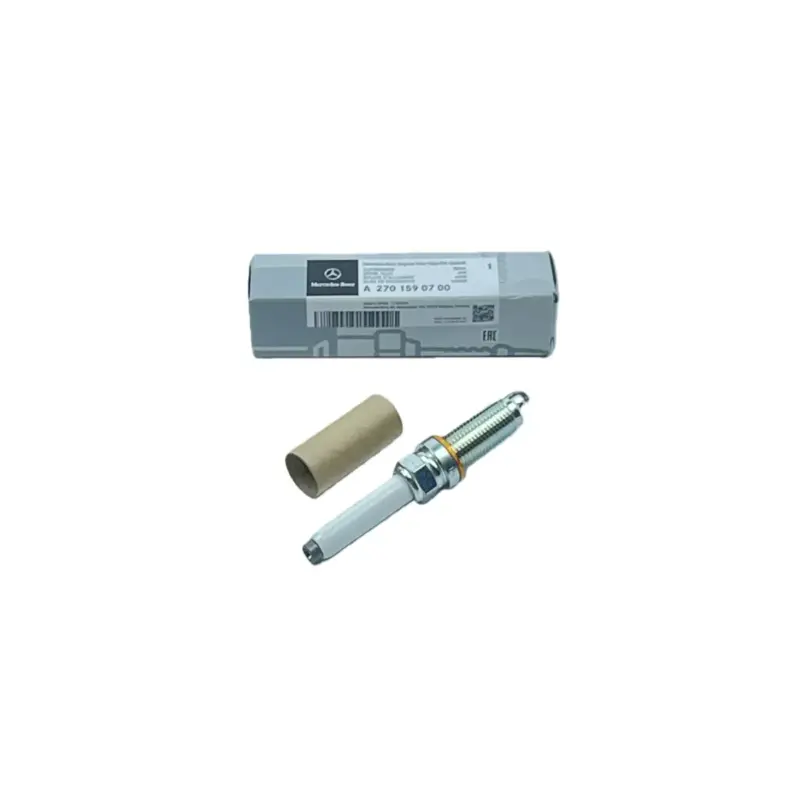
A spark plug is a key engine component that ignites the air–fuel mixture inside a gasoline engine. It works by creating a small but powerful electric spark that starts combustion and allows the engine to produce power.Many buyers focus only on price when sourcing spark plugs, but that often leads to problems. Choosing the wrong [...]
How we verify fitment (Before placing a bulk order)
1OE / VIN collection — confirm OE number, vehicle identification, model year, and target market specification.
2Cross-reference validation— verify OEM catalog data and aftermarket interchange to identify supersessions and compatible alternatives.
3Application & specification check— validate key application parameters and technical specifications relevant to the product category.
4Sample or photo confirmation — pre-shipment sample or photo confirmation to minimize fitment and return risks.
It works by creating a small but powerful electric spark that starts combustion and allows the engine to produce power.Many buyers focus only on price when sourcing spark plugs, but that often leads to problems.
Choosing the wrong type, heat range, or OE number can cause engine misfires, returns, and unhappy customers.
Understanding how spark plugs work helps you make safer decisions when selecting products for wholesale or bulk supply.
What Is a Spark Plug?
A spark plug is an ignition device installed in the engine cylinder head.
Its job is to ignite the compressed air–fuel mixture so the engine can run smoothly and efficiently.
From a B2B perspective, spark plugs are considered fast-moving wear parts.
This makes them a stable product category for distributors, workshops, and auto parts wholesalers.
How Does a Spark Plug Work Inside an Engine?
A spark plug works by receiving high-voltage electricity from the ignition coil.
That voltage jumps across the electrodes and creates a spark that ignites the fuel mixture.
This process happens thousands of times per minute while the engine is running.
Even small differences in spark timing or strength can affect engine performance and emissions.
Why Is Spark Timing So Important?
Spark timing determines when combustion starts inside the cylinder.
If the timing is off, the engine may lose power, consume more fuel, or suffer long-term damage.
This is why correct spark plug specifications matter.
For wholesale buyers, accurate OE number matching is the safest way to ensure proper timing and fitment.
What Are the Main Components of a Spark Plug?
A standard spark plug includes a center electrode, a ground electrode, a ceramic insulator, and a metal shell.
Each part plays a role in delivering a stable and reliable spark.
In bulk supply, component quality directly affects failure rates and after-sales issues.
Poor materials often lead to early wear, fouling, or overheating.
What Are the Different Types of Spark Plugs?
Spark plugs are commonly classified by electrode material, such as copper, platinum, or iridium.
Each type offers a different balance between cost, durability, and performance.
| Type | Service Life | Cost Level | Typical Use |
|---|---|---|---|
| Copper | Short | Low | Older engines, price-sensitive markets |
| Platinum | Medium | Mid | Standard OEM replacement |
| Iridium | Long | High | Modern engines, long service intervals |
For wholesale buyers, offering multiple types helps cover different customer needs.
It also reduces the risk of lost orders due to limited product selection.
Why Does Spark Plug Heat Range Matter?
The heat range controls how quickly a spark plug dissipates heat from the combustion chamber.
Using the wrong heat range can cause fouling or overheating.
In real-world bulk sourcing, heat range errors are a common reason for returns.
Matching the OE specification helps avoid these costly mistakes.
Why Is OE Number Matching Critical for Spark Plugs?
OE numbers define the exact specifications required by the vehicle manufacturer.
Matching these numbers ensures correct fitment, heat range, and performance.
For B2B buyers, OE number matching is the most reliable way to reduce misapplication.
It also improves communication between suppliers, distributors, and workshops.
Where Are Spark Plugs Commonly Used?
Spark plugs are used in gasoline-powered passenger cars, light commercial vehicles, motorcycles, and small engines.
Demand patterns vary depending on vehicle age and regional market conditions.
In many wholesale markets, replacement demand is driven by regular maintenance rather than performance upgrades.
This creates steady and predictable bulk supply opportunities.
What Should B2B Buyers Consider When Purchasing Spark Plugs in Bulk?
When sourcing spark plugs wholesale, you should focus on OE compatibility, quality consistency, and supplier reliability.
Price matters, but long-term cost control matters more.
Factors like MOQ, packaging, delivery time, and after-sales support all affect your purchasing efficiency.
Experienced suppliers help you avoid hidden risks.
What Are Common Spark Plug Sourcing Mistakes?
One common mistake is choosing products based only on price.
This often leads to quality issues, returns, and damaged customer trust.
Another mistake is ignoring engine-specific requirements.
Even small specification differences can create large problems at scale.
What Is a Spark Plug and How Does It Work? – FAQs
How long does a spark plug usually last?
Service life depends on material and engine conditions.
Copper plugs last the shortest, while iridium plugs last the longest.
Can one spark plug fit multiple vehicles?
Sometimes, but only if the OE specifications match.
Visual similarity alone is not reliable for bulk sourcing.
Are iridium spark plugs worth it for wholesale buyers?
Yes, especially for modern vehicles with long service intervals.
They reduce replacement frequency and warranty issues.
Conclusion
Understanding what a spark plug is and how it works helps you make better sourcing decisions.
For B2B buyers, correct OE matching, proper heat range, and stable quality matter more than low price alone.
If you are planning spark plug wholesale or bulk supply, technical knowledge becomes a real business advantage.
Choosing the right products and partners helps you reduce risk and grow sustainably.
Related guides
Spark Plug Selection Guide for Aftermarket Supply Chains
Spark Plug Selection for Stable Automotive Supply Chains
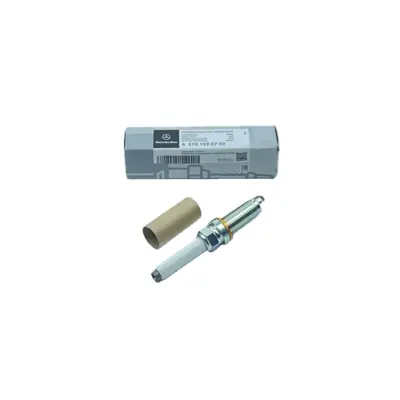
Spark Plug Buying Guide for Bulk Importers and Wholesalers
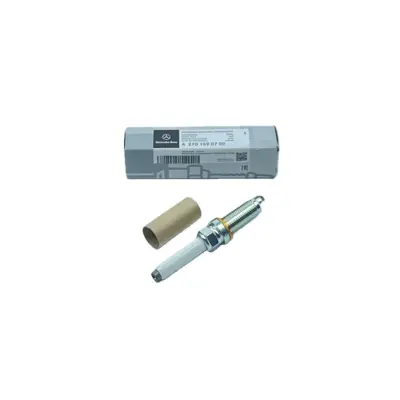
Spark Plug Selection for OEM Replacement Programs
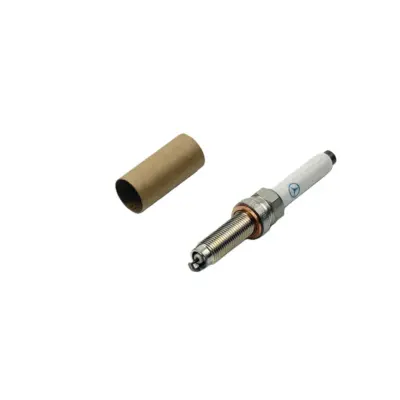
Spark Plug Selection for Global Automotive Markets
Spark Plug Selection Guide for Distributor Networks

Before you source / Before you order
Confirm OE number or VIN to avoid fitment errors
Verify heat range and reach to prevent misfire or engine damage
Choose electrode material based on service interval and cost
Confirm packaging requirements for export shipping
Tip: send quantity, destination country, and packing requirement for faster quoting.
Fitment confirmation
Share the OE number, VIN, or engine details, and we’ll help confirm compatibility before ordering.
Request fitment check →
