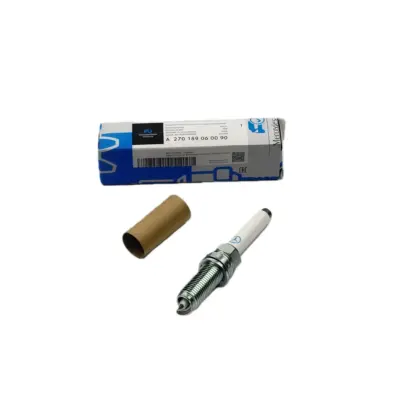
Spark Plug Guide
Spark Plug Selection Guide for Modern Engine Platforms
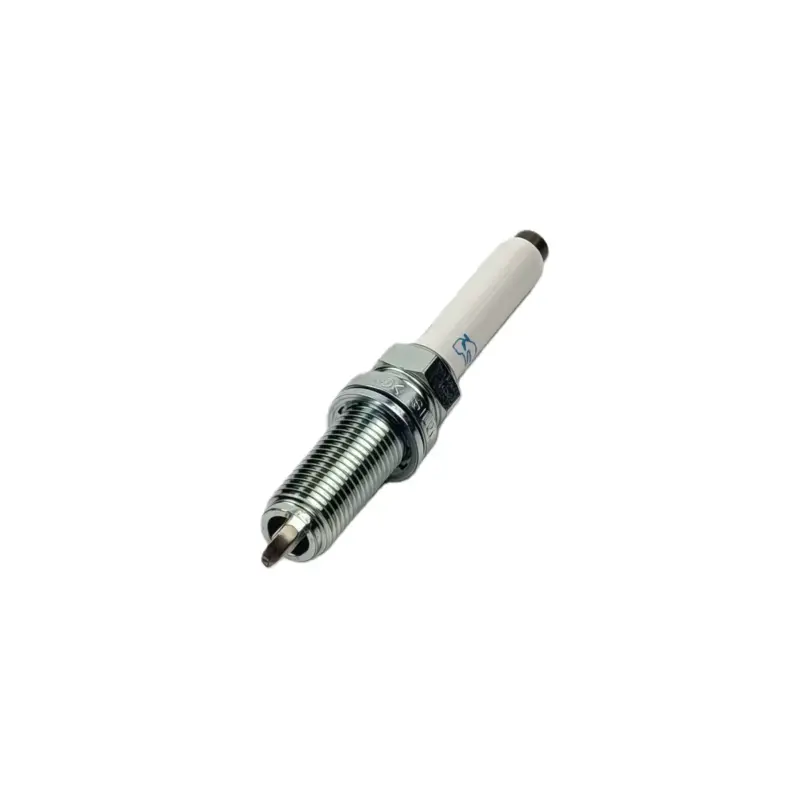
You can’t treat spark plugs as universal parts on modern engine platforms. If you pick the wrong size, heat range, or electrode design, you risk misfires, check-engine events, and premature returns.
How we verify fitment (Before placing a bulk order)
1OE / VIN collection — confirm OE number, vehicle identification, model year, and target market specification.
2Cross-reference validation— verify OEM catalog data and aftermarket interchange to identify supersessions and compatible alternatives.
3Application & specification check— validate key application parameters and technical specifications relevant to the product category.
4Sample or photo confirmation — pre-shipment sample or photo confirmation to minimize fitment and return risks.
If you want broad SKU coverage with fewer fitment mistakes, start by aligning spark plug specs with engine technology instead of copying “similar-looking” plugs.
Why Do Modern Engine Platforms Require More Precise Spark Plug Selection?
Modern engines run tighter tolerances, higher cylinder pressures, and more complex ignition strategies. That means spark plugs must match OE specs more closely than older applications.
What changes your selection logic on modern engines?
- Direct injection and lean burn increase deposit sensitivity and misfire risk.
- Turbocharging increases thermal load and demands stable heat range control.
- Long service intervals require electrode designs that resist erosion.
How Do You Confirm The Right Spark Plug Size For Modern Engines?
Start with dimensions, because the correct material won’t help if the plug doesn’t physically match. Size is defined by thread diameter, pitch, reach, and seat type.
Which size details should you verify first?
- Thread diameter and pitch to prevent head damage and sealing issues.
- Thread reach so the spark sits correctly in the combustion chamber.
- Seat type (taper vs gasket) to avoid compression leaks.
For wholesale selection and coverage review, browse spark plug wholesale and build your SKU list around verified OE dimensions.
How Should You Choose Heat Range For Modern Engine Platforms?
Heat range is a control system, not a preference. If your heat range is wrong, your customer gets fouling, overheating, or unstable performance.
What inputs help you choose the correct heat range?
- OE heat range reference for the exact engine code and revision.
- Turbo/NA configuration and typical operating temperature.
- Service interval expectations and fuel quality in your market.
Which Electrode Materials And Designs Make Sense For Modern Engines?
Modern platforms typically benefit from fine-wire designs because they maintain spark stability longer. Your choice should support the engine’s service interval and ignition demand.
How do you match material to platform needs?
- Iridium for long service intervals and stable ignition under heat load.
- Platinum for moderate intervals and broad aftermarket coverage.
- Copper/nickel mainly for older platforms or short-interval programs.
What are the common failure risks if you “upgrade” blindly?
- Wrong heat range causing early fouling or overheating.
- Incorrect reach or seat creating sealing failures.
- Electrode design mismatch affecting ignition stability.
How Do You Reduce Warranty Risk When Supplying Modern Engine Spark Plugs?
You reduce risk by verifying the exact application and controlling spec drift across suppliers. That’s especially important when you sell to fleets and workshop chains.
What should your buyers check before confirming bulk orders?
- OE number and engine code confirmation for the specific platform.
- Cross-reference validation using trusted catalogs.
- Spec check: size, heat range, seat type, and electrode design.
How We Verify Fitment Before Bulk Supply
Before you place bulk orders, you need a repeatable verification workflow. This keeps your SKU list clean and prevents hidden variation from creating claims.
What verification steps do we use for modern engine platforms?
- OE number and engine code confirmation (including platform revisions).
- Cross reference checks across OEM and aftermarket catalogs.
- Application and specification check (reach, seat, heat range, design).
- Sample or photo confirmation when there is a catalog discrepancy.
For a broader framework you can apply across platforms, use how to choose the right spark plug as your baseline sourcing checklist.
How Does This Relate To Performance-Focused Selection?
Modern platforms often overlap with performance demands, especially turbocharged and high-output variants. If you also supply performance programs, your next step is to align heat range and design to higher load profiles.
Continue with spark plug selection for high-performance engine applications to compare how selection tightens under sustained heat and load.
Modern Engine Spark Plug Selection – FAQs
What is the most common reason modern engine spark plug orders get returned?
Most returns come from spec mismatch rather than part defects. Wrong reach, seat type, or heat range usually triggers misfires and complaints.
Can you use the same spark plug across multiple engine variants in a modern platform?
Sometimes, but only if OE specifications match exactly. Engine revisions can change heat range and design requirements even within the same model family.
Is iridium always the right choice for modern engines?
Not always, but it often supports long intervals and stable ignition. You still need correct size, heat range, and electrode design for the engine.
What information should you provide to verify fitment for bulk supply?
OE number, engine code, build year range, and target quantity help confirm the correct spec. Photos of the existing plug can help resolve catalog conflicts.
Related guides
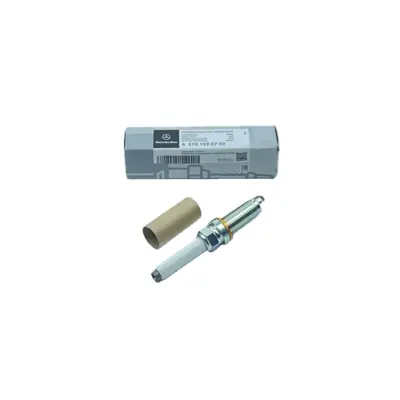
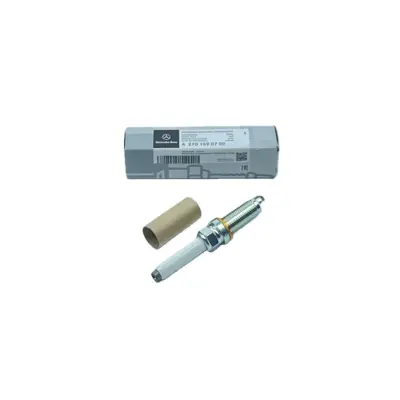
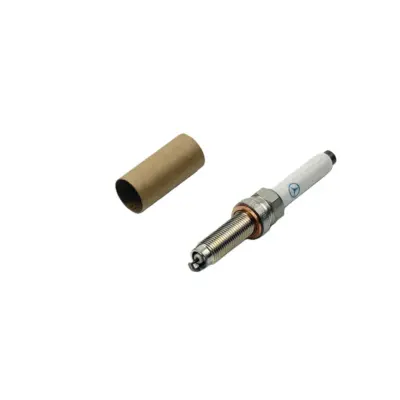

Before you source / Before you order
Confirm OE number or VIN to avoid fitment errors
Verify heat range and reach to prevent misfire or engine damage
Choose electrode material based on service interval and cost
Confirm packaging requirements for export shipping
Tip: send quantity, destination country, and packing requirement for faster quoting.
Fitment confirmation
Share the OE number, VIN, or engine details, and we’ll help confirm compatibility before ordering.
Request fitment check →
