Spark Plug Guide
Spark Plug Selection Guide by Engine Type for Wholesale Buyers
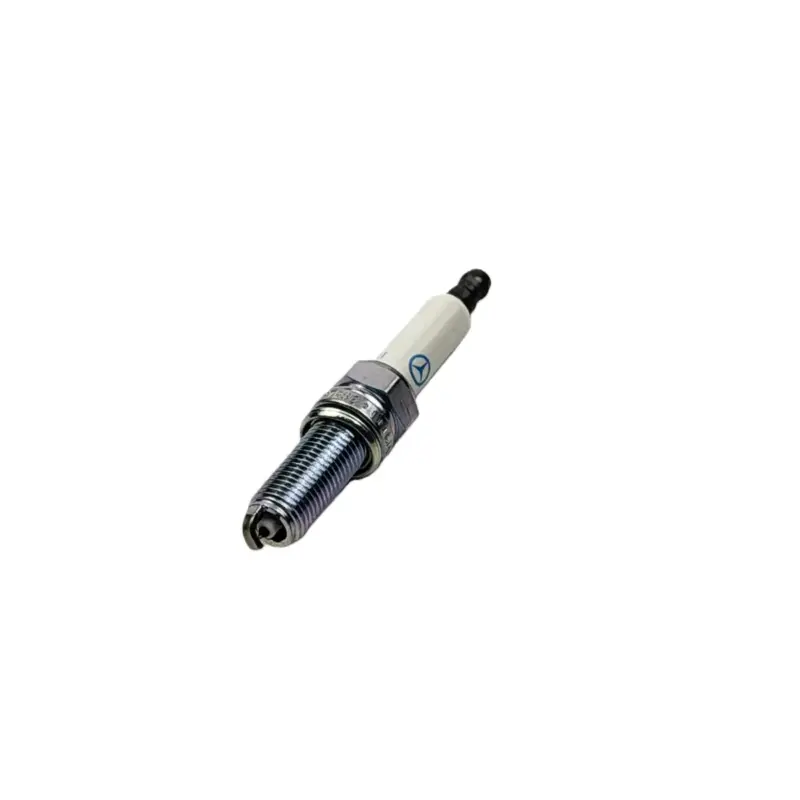
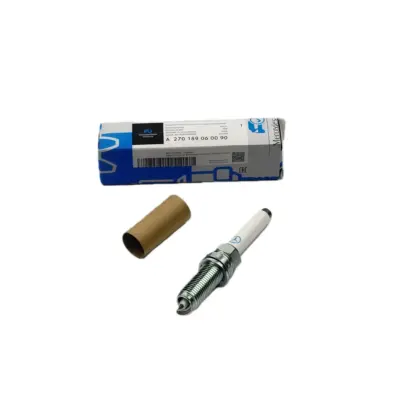
Spark plug selection for wholesale programs is driven by engine design rather than vehicle branding alone.
Different engine types impose distinct thermal, electrical, and durability requirements that directly affect misfire rates, service life, and return risk in bulk supply.This guide explains how wholesale buyers and OEM-focused sourcing teams should match spark plug specifications to engine types, ensuring stable performance across large-volume distribution.
How we verify fitment (Before placing a bulk order)
1OE / VIN collection — confirm OE number, vehicle identification, model year, and target market specification.
2Cross-reference validation— verify OEM catalog data and aftermarket interchange to identify supersessions and compatible alternatives.
3Application & specification check— validate key application parameters and technical specifications relevant to the product category.
4Sample or photo confirmation — pre-shipment sample or photo confirmation to minimize fitment and return risks.
Why engine type matters in spark plug selection
In bulk procurement, mismatching spark plugs to engine architecture often leads to early failures rather than immediate installation issues. Common problems include cold fouling, electrode erosion, and inconsistent ignition under load.
- Combustion chamber design affects flame propagation requirements
- Compression ratio influences heat range selection
- Ignition system strength determines electrode material suitability
Spark plug selection by common engine types
Naturally aspirated gasoline engines
These engines typically tolerate standard heat ranges and conventional nickel or copper-core spark plugs.
For wholesale buyers, the priority is consistent electrode gap and stable insulation quality.
Turbocharged and supercharged engines
Forced-induction engines require colder heat ranges and improved thermal resistance.
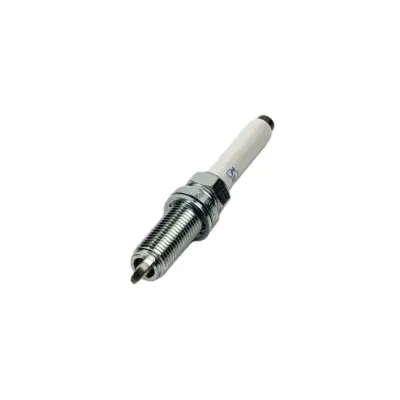
Platinum or iridium spark plugs are commonly specified to reduce electrode wear under higher cylinder pressures.
Direct injection (GDI) engines
GDI engines are more sensitive to ignition stability and deposit resistance.
Fine-wire iridium electrodes are preferred to maintain reliable spark under lean conditions.
High-performance and high-RPM engines
These applications demand precise heat dissipation and consistent firing at elevated speeds.
Spark plug selection should prioritize electrode durability and strict manufacturing tolerance.
Specification checkpoints for wholesale spark plug programs
- Thread diameter and reach matched to cylinder head design
- Seat type (gasket or tapered)
- Heat range aligned with combustion temperature
- Electrode material and gap stability
- Resistance value compatible with ignition system
Bulk buyers managing multi-market distribution should standardize these checkpoints
before expanding SKU coverage.
How engine-based selection reduces returns in wholesale supply
Classifying spark plugs by engine type simplifies catalog management and reduces fitment disputes.
This approach allows distributors to align inventory with real-world application risks rather than
relying solely on vehicle listings.
For a broader overview of spark plug selection logic, refer to how to choose the right spark plug.
Related wholesale sourcing references
For bulk purchasing options and application coverage, visit spark plug wholesale.
For OEM-focused procurement considerations, see Key Factors for Buying Spark Plugs in Bulk for OEM Supply.
Spark Plug Selection Guide by Engine Type – FAQs
Why can the same spark plug fail across different engine types?
Engine combustion temperature, pressure, and ignition characteristics vary significantly.
A spark plug optimized for one engine type may foul or overheat in another.
Is heat range the most critical factor for wholesale buyers?
Heat range is critical but must be evaluated together with electrode material and ignition system compatibility.
Focusing on heat range alone often leads to incomplete selection.
Do turbocharged engines always require iridium spark plugs?
Not always, but iridium offers better durability under high pressure and temperature.
OEM specifications should guide final selection.
How does engine-based selection reduce return rates?
It minimizes mismatches caused by vehicle-only cataloging and aligns spark plugs with actual combustion demands.
This reduces early failures and warranty claims.
Related guides

Before you source / Before you order
Confirm OE number or VIN to avoid fitment errors
Verify heat range and reach to prevent misfire or engine damage
Choose electrode material based on service interval and cost
Confirm packaging requirements for export shipping
Tip: send quantity, destination country, and packing requirement for faster quoting.
Fitment confirmation
Share the OE number, VIN, or engine details, and we’ll help confirm compatibility before ordering.
Request fitment check →
