Spark Plug Guide
Spark Plug Selection Guide for Gasoline Engines in Wholesale Supply
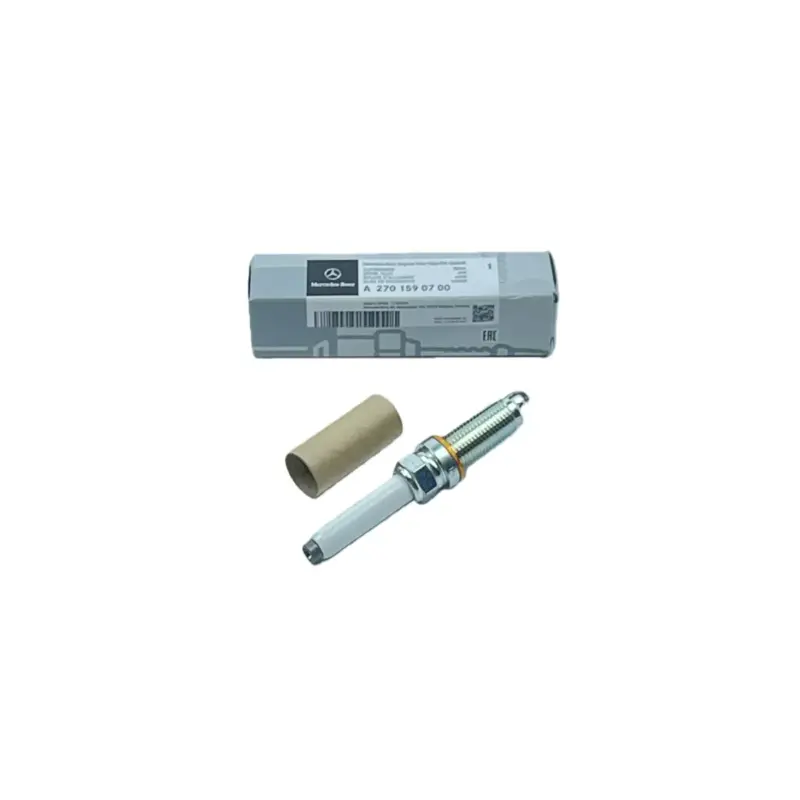
If you are sourcing spark plugs for gasoline engines, the biggest risk is treating “similar-looking plugs” as interchangeable.
That mistake can cause misfires, shortened service life, and warranty claims that hit your distribution reputation.
This guide shows you how to choose the right size and type for gasoline engines using OE matching and practical spec checks.
How we verify fitment (Before placing a bulk order)
1OE / VIN collection — confirm OE number, vehicle identification, model year, and target market specification.
2Cross-reference validation— verify OEM catalog data and aftermarket interchange to identify supersessions and compatible alternatives.
3Application & specification check— validate key application parameters and technical specifications relevant to the product category.
4Sample or photo confirmation — pre-shipment sample or photo confirmation to minimize fitment and return risks.
How do you identify the correct spark plug for a gasoline engine application?
Start with OE number matching, then confirm the engine platform and ignition system notes.
This approach prevents “thread-only” selection errors that look correct but fail in real use.
What information should you collect before you choose?
- oe number (preferred) or engine code and model year range
- thread diameter, pitch, and reach from a trusted catalog
- seat type (tapered vs gasket) and terminal style
- heat range reference and electrode design notes
Why does spark plug size matter more than visual similarity?
Size is not only the thread diameter.
Reach, seat type, and projected tip design determine whether the spark location is correct for combustion and knock control.
Which “size” specs should you verify every time?
- thread diameter and pitch (e.g., M14×1.25)
- thread reach to avoid piston/valve clearance risk
- seat type to prevent sealing and torque issues
How do you choose the right spark plug type for gasoline engines?
Choose the type based on the engine’s ignition demand and the expected service interval in your target market.
If you overspecify, you increase cost and slow turnover; if you underspecify, you increase complaints and returns.
What types are most common in wholesale gasoline engine supply?
- copper/nickel for older engines or cost-sensitive fleets
- platinum for mid-interval replacement programs
- iridium for modern gasoline engines with longer service intervals
How can you reduce sourcing risk with a repeatable validation workflow?
Use a simple checklist that your team can follow for every new OE or application group.
When your process is consistent, your outcomes become more predictable and your warranty risk drops.
What should your standard validation checklist include?
| Check item | What you verify | Why it matters for bulk supply |
|---|---|---|
| oe match | exact oe number or approved cross reference | prevents wrong application at the source |
| size | thread, reach, seat type | avoids sealing issues and combustion position errors |
| heat range | oem-equivalent heat range mapping | reduces fouling/overheating returns |
| design | electrode style, projection, resistor requirements | controls misfire risk and ignition stability |
To review OEM and aftermarket options for your inventory planning, you can browse spark plug wholesale.
If you want a complete selection framework for different engine platforms, use how to choose the right spark plug.
How we verify fitment before bulk supply
Before you confirm a bulk order, you should validate fitment as a process, not a guess.
We verify the OE, cross references, application notes, and key specs so you can ship with confidence.
What steps do we follow before confirming a bulk SKU list?
- oe number confirmation or engine code validation
- cross reference check across OEM and aftermarket catalogs
- application and specification check (size, seat, heat range, design)
- sample or photo confirmation when the application risk is high
Heat range is the most common hidden cause of “fits but fails” returns, so make sure you also read spark plug selection based on heat range for oem and aftermarket.
Spark plug selection for gasoline engines – faqs
Which data should you provide to confirm gasoline engine spark plug fitment in bulk?
Provide oe numbers first, then engine code and model year range if available. Add quantities and target market so the correct type and service interval can be validated.
Can you choose spark plugs for gasoline engines using only thread size?
No. Reach and seat type can be different even when thread diameter matches. Heat range and electrode design also affect real-world performance and warranty risk.
When does it make sense to stock multiple types for the same gasoline engine family?
When your buyers serve different service intervals or market expectations. Separate SKUs for standard vs long-life programs can reduce overstock and complaint rates.
How do you reduce returns when you add new spark plug SKUs?
Use a consistent validation checklist and confirm OE matching before ordering. For higher-risk applications, request photos or samples to confirm design details.
If you choose spark plugs for gasoline engines using OE matching plus spec validation, you reduce most fitment-driven returns.
Build your selection around size, heat range, and design requirements so your bulk supply stays stable and predictable.
Related guides
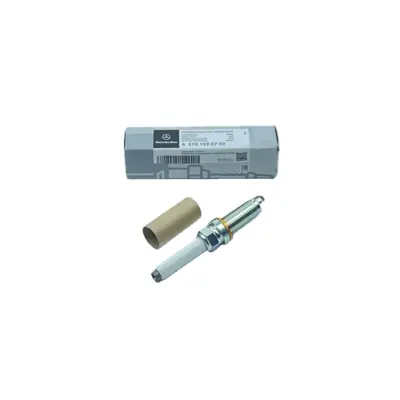
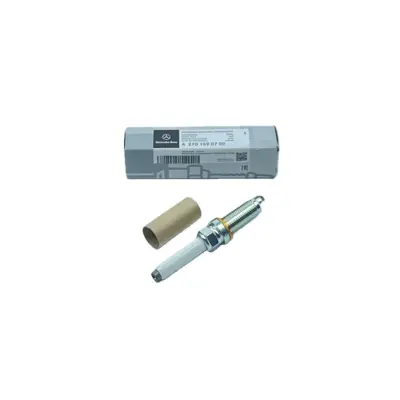
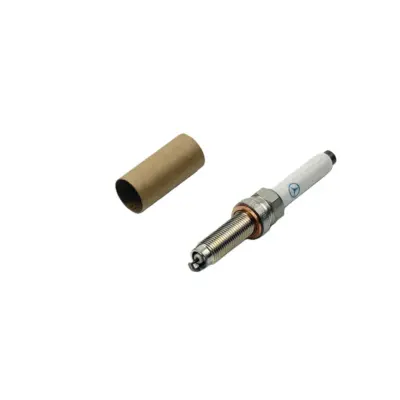
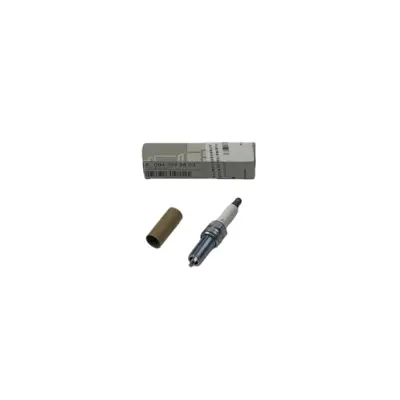

Before you source / Before you order
Confirm OE number or VIN to avoid fitment errors
Verify heat range and reach to prevent misfire or engine damage
Choose electrode material based on service interval and cost
Confirm packaging requirements for export shipping
Tip: send quantity, destination country, and packing requirement for faster quoting.
Fitment confirmation
Share the OE number, VIN, or engine details, and we’ll help confirm compatibility before ordering.
Request fitment check →
