Spark Plug Guide
Spark Plug Selection for High-Performance Engine Applications
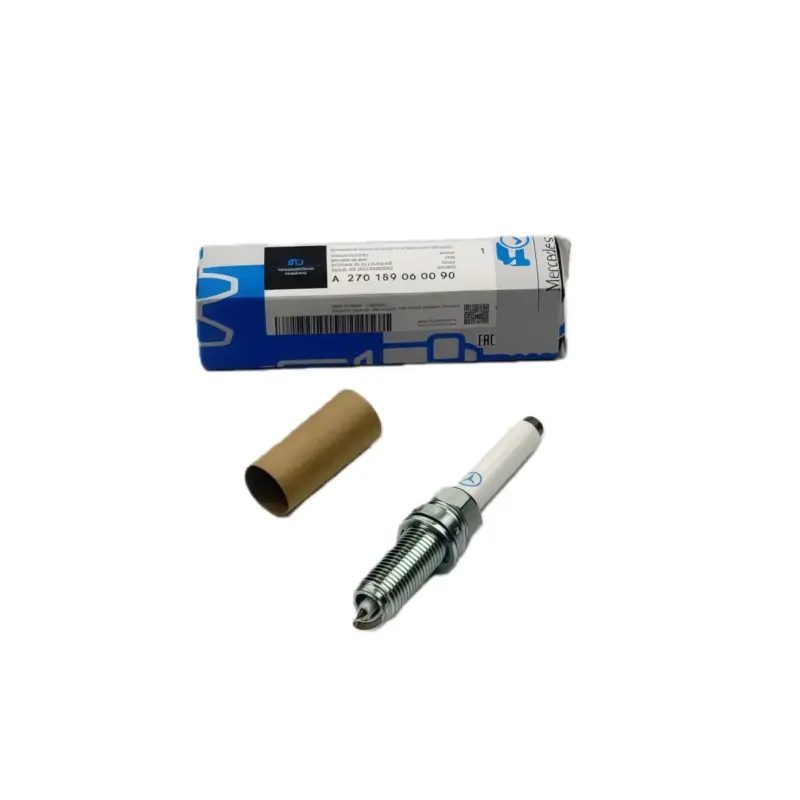
High-performance applications punish small mistakes in spark plug selection. If you choose the wrong heat range or electrode design, you can create misfires under load, unstable power delivery, and early failures.
How we verify fitment (Before placing a bulk order)
1OE / VIN collection — confirm OE number, vehicle identification, model year, and target market specification.
2Cross-reference validation— verify OEM catalog data and aftermarket interchange to identify supersessions and compatible alternatives.
3Application & specification check— validate key application parameters and technical specifications relevant to the product category.
4Sample or photo confirmation — pre-shipment sample or photo confirmation to minimize fitment and return risks.
Why Do High-Performance Engines Need Different Spark Plug Selection Criteria?
Performance engines run higher cylinder pressure and sustained temperatures. Your spark plug must resist erosion and control heat efficiently while maintaining a stable spark.
What conditions change your selection logic?
- Higher thermal load increases overheating and pre-ignition sensitivity.
- Higher pressure makes spark stability more difficult under load.
- Longer high-RPM operation accelerates electrode wear.
How Do You Choose Heat Range For High-Load Engine Use?
Heat range is the first performance control lever. Too hot leads to overheating and knock risk, while too cold leads to fouling and unstable idle.
What should you check to select the correct heat range?
- OE baseline heat range for the exact engine code and revision.
- Real operating profile (track, towing, aggressive driving, fleets).
- Fuel quality and combustion deposits in your market.
Which Materials Work Best For High-Performance Spark Plugs?
Material impacts erosion resistance and service stability. Fine-wire iridium designs often perform well under heat and load, but only when all specs match.
How should you match material to performance needs?
- Iridium fine-wire for stable ignition at higher load and longer intervals.
- Platinum for balanced durability in moderate performance programs.
- Copper for short-interval programs where frequent replacement is expected.
How Do You Confirm The Correct Plug Size And Seat Under Performance Conditions?
Size mistakes become costly under performance use because sealing and positioning are critical. You must confirm thread diameter, reach, and seat type before you consider “upgrades.”
What size checks prevent common fitment failures?
- Thread reach to avoid poor combustion and overheating at the tip.
- Seat type to prevent compression leaks and misfire complaints.
- Hex and terminal style to match installation constraints.
To compare options across programs and suppliers, review spark plug wholesale using verified OE specs as your filter.
What Mistakes Cause Most High-Performance Spark Plug Returns?
Most returns are caused by specification drift and assumption-based substitutions. In performance applications, visual similarity is not a valid matching method.
Which mistakes should you block in your bulk sourcing process?
- Choosing a colder plug without confirming OE-approved alternatives.
- Changing reach or seat type to “make it fit.”
- Mixing electrode designs that change ignition behavior under load.
How We Verify Fitment Before Bulk Supply
Performance programs require tighter verification because the margin for error is small. Your process should be consistent across OEM and aftermarket sources.
What steps should your team follow?
- OE number and engine code confirmation for the specific variant.
- Cross reference checks across catalogs and trusted references.
- Application and specification check (reach, seat, heat range, design).
- Sample or photo confirmation when performance variants are unclear.
Use how to choose the right spark plug as your standard checklist when you expand coverage across multiple engine platforms.
How Can You Build A Stable SKU List For Modern Performance Platforms?
Start with platform-level compatibility, then tighten to performance variants. This prevents your inventory from mixing similar plugs that behave differently under load.
If your catalog spans modern platform families, align your baseline selection with spark plug selection guide for modern engine platforms before you add performance-specific alternatives.
High-Performance Spark Plug Selection – FAQs
Is a colder heat range always better for high-performance engines?
No. A colder plug can reduce overheating risk, but it may foul if the engine profile doesn’t support it. You should confirm OE guidance and real operating conditions first.
What specification matters most for performance-related misfire complaints?
Heat range and electrode design are common drivers under load. Size and seat errors can also cause sealing and combustion positioning issues.
Can you “upgrade” from platinum to iridium without fitment checks?
Only if all OE specifications match, including heat range and design. Material alone does not guarantee compatibility or better results.
What should you send your supplier to verify performance spark plug fitment?
OE number, engine code, variant notes, and intended use profile help confirm the right selection. A photo of the existing plug can reduce catalog ambiguity.
Related guides
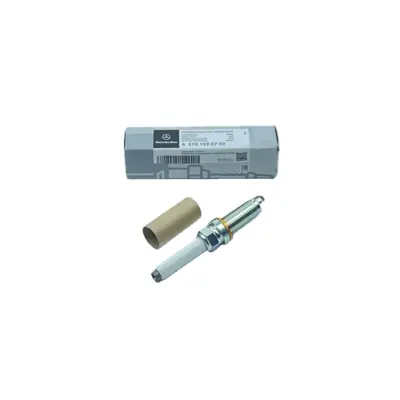
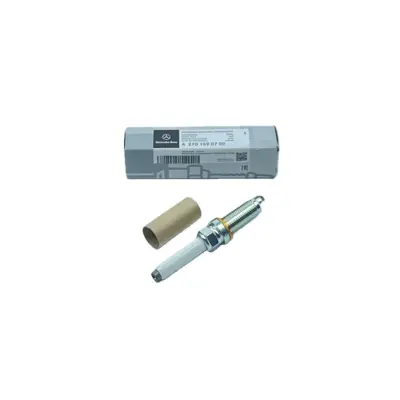
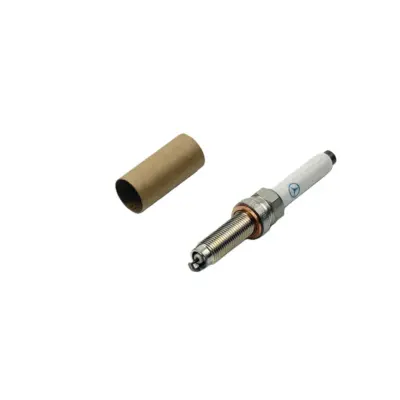

Before you source / Before you order
Confirm OE number or VIN to avoid fitment errors
Verify heat range and reach to prevent misfire or engine damage
Choose electrode material based on service interval and cost
Confirm packaging requirements for export shipping
Tip: send quantity, destination country, and packing requirement for faster quoting.
Fitment confirmation
Share the OE number, VIN, or engine details, and we’ll help confirm compatibility before ordering.
Request fitment check →
