Spark Plug Guide
Spark Plug Selection Guide for Distributor Networks
Distributor networks succeed when SKU choices are consistent and easy to install correctly. If your spark plug selection strategy is unclear, you get mismatches, returns, and repeated “which one fits?” questions from workshops.
How we verify fitment (Before placing a bulk order)
1OE / VIN collection — confirm OE number, vehicle identification, model year, and target market specification.
2Cross-reference validation— verify OEM catalog data and aftermarket interchange to identify supersessions and compatible alternatives.
3Application & specification check— validate key application parameters and technical specifications relevant to the product category.
4Sample or photo confirmation — pre-shipment sample or photo confirmation to minimize fitment and return risks.
Why Do Distributor Networks Need A Standard Spark Plug Selection Framework?
Distributors serve mixed customers and mixed vehicles, so the selection framework must reduce ambiguity. You need clear rules for size, heat range, and cross-reference validation.
What problems does a standard framework solve?
- Lower returns from incorrect substitutions.
- Cleaner catalogs with fewer duplicate or conflicting SKUs.
- Faster quotation and ordering for repeat customers.
How Do You Segment Spark Plug SKUs For A Distributor Catalog?
You should segment by application logic, not by marketing labels. OE number, engine code, and key size specs are the most stable organizing fields.
Which segmentation fields work best at scale?
- OE number and cross-reference group.
- Engine code and platform revision range.
- Thread size, reach, seat type, and heat range.
How Should You Balance OEM Accuracy And Aftermarket Coverage?
Your network often needs both: OE-accurate SKUs for strict applications and aftermarket coverage SKUs for broader fitment. The key is to keep the spec boundary clear so customers don’t mix them incorrectly.
What rules help you avoid coverage-driven misfits?
- Never substitute across heat range without confirmation.
- Lock reach and seat type as non-negotiable specs.
- Use cross-reference validation before listing substitutes.
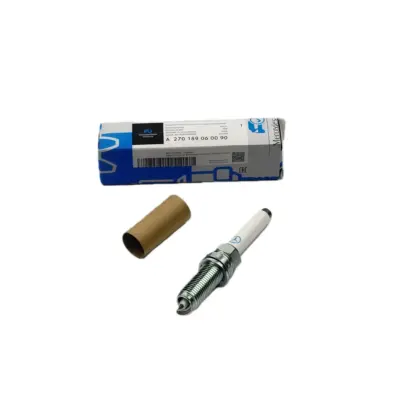
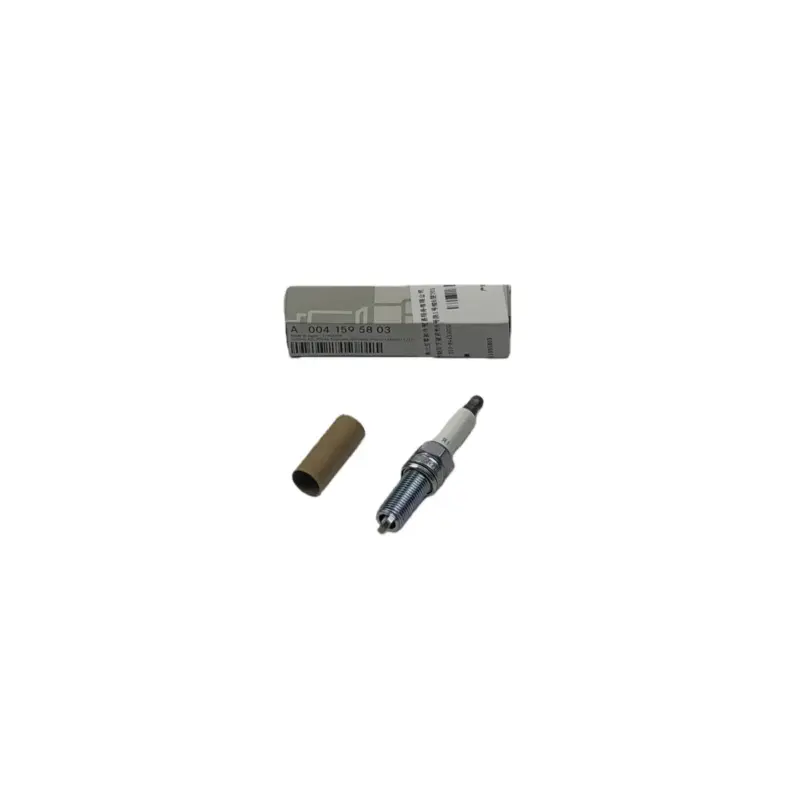
For building and validating your SKU pool, use spark plug wholesale as your reference list after OE-based filtering.
What Selection Mistakes Create The Most Distributor Returns?
Returns usually come from “close match” behavior: size matches but heat range or design does not. In distributor networks, one wrong substitution can repeat across many installs.
Which mistakes should your catalog rules prevent?
- Listing multiple visually similar plugs without spec differences explained.
- Allowing substitutes that change electrode design and ignition behavior.
- Ignoring engine revisions that alter OE requirements.
How We Verify Fitment Before Bulk Supply
A distributor network needs a verification process that works the same way every time. If you keep the workflow consistent, your catalog stays stable and your return rate drops.
What steps support scalable distributor sourcing?
- OE number and engine code confirmation for each catalog entry.
- Cross reference checks across OEM and aftermarket catalogs.
- Application and specification check (reach, seat, heat range, design).
- Sample or photo confirmation for high-risk or high-volume SKUs.
For a reusable selection checklist your team can follow, see how to choose the right spark plug.
How Does Distributor Selection Connect To Global Market Coverage?
Distributor networks often supply multiple regions, and market conditions can change replacement habits and fuel quality. If you export, you should adjust your selection strategy for deposits, intervals, and common engine mixes.
Continue with spark plug selection for global automotive markets to tighten your export-ready SKU plan.
Distributor Network Spark Plug Selection – FAQs
What is the best way to reduce returns in distributor spark plug sales?
Standardize selection by OE number and key specs, then block assumption-based substitutes. Clear catalog rules reduce repeated fitment mistakes.
Can you stock one aftermarket spark plug to cover multiple applications?
Sometimes, but only when specifications match and cross-references are validated. You should avoid mixing heat range or seat type for “coverage.”
Which specs should always be locked in distributor catalogs?
Thread size, reach, seat type, and heat range should be locked. These specs control fitment safety and ignition behavior.
What information should distributors collect for bulk sourcing accuracy?
OE number, engine code, production range, quantities, and destination market help confirm correct specifications and reduce order disputes.
Related guides
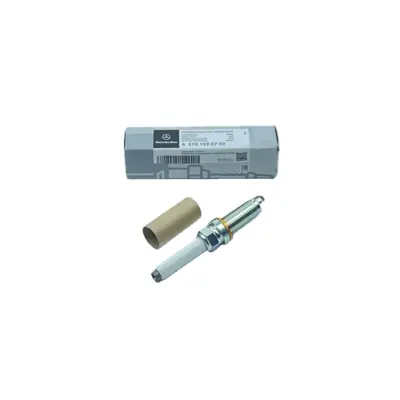
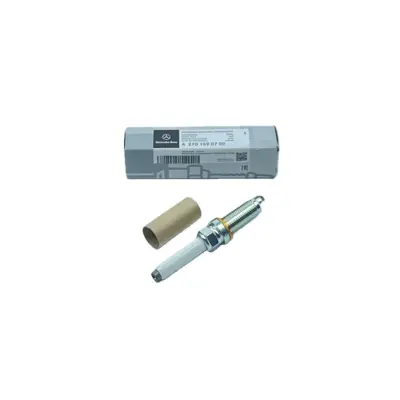
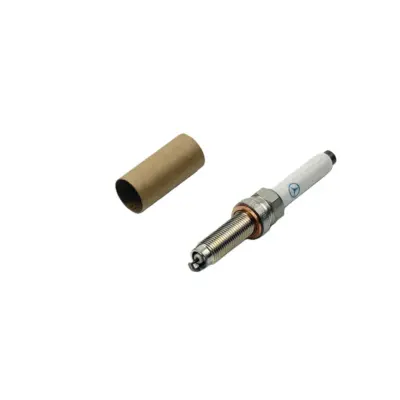
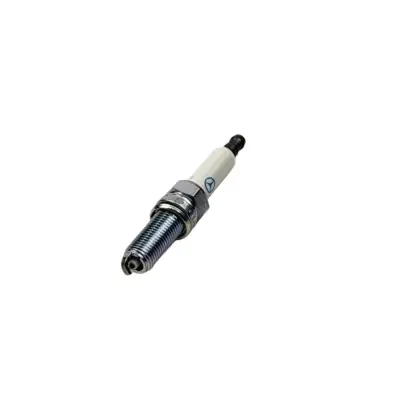

Before you source / Before you order
Confirm OE number or VIN to avoid fitment errors
Verify heat range and reach to prevent misfire or engine damage
Choose electrode material based on service interval and cost
Confirm packaging requirements for export shipping
Tip: send quantity, destination country, and packing requirement for faster quoting.
Fitment confirmation
Share the OE number, VIN, or engine details, and we’ll help confirm compatibility before ordering.
Request fitment check →
