Spark Plug Guide
Spark Plug Buying Guide for Bulk Importers and Wholesalers
Bulk importing spark plugs is risky if your selection is based on incomplete specifications. One wrong assumption can create thousands of mismatched units, returns, and reputation damage in your channel.
How we verify fitment (Before placing a bulk order)
1OE / VIN collection — confirm OE number, vehicle identification, model year, and target market specification.
2Cross-reference validation— verify OEM catalog data and aftermarket interchange to identify supersessions and compatible alternatives.
3Application & specification check— validate key application parameters and technical specifications relevant to the product category.
4Sample or photo confirmation — pre-shipment sample or photo confirmation to minimize fitment and return risks.
Why Is Bulk Spark Plug Buying Different From Single-Order Purchasing?
Bulk buying amplifies small errors into big costs. You need stronger controls around fitment, specification consistency, and supplier variation.
What problems should bulk buyers plan for?
- Cross-reference errors that scale into mass returns.
- Supplier-to-supplier spec drift under the same “label.”
- Market mismatch between service habits and product design.
How Do You Build A Spark Plug Specification Checklist For Import Orders?
Your checklist should lock physical fitment first, then performance specs. If you skip fundamentals like reach and seat type, you increase failure risk immediately.
Which specs should always be confirmed before quotation?
- Thread diameter, pitch, reach, and seat type.
- Heat range and electrode design.
- Material type and target service interval.
How Do You Balance Coverage And Risk When Choosing SKUs For Import?
You should prioritize verified OE matching for your top-volume engines, then expand coverage carefully. Broad coverage is valuable only if it stays within safe spec boundaries.
What rules help you expand without increasing returns?
- Expand by engine family and OE number groups, not model name alone.
- Keep heat range and seat type locked to OE spec.
- Validate cross-references before approving substitutes.
To review common options and coverage during import planning, use spark plug wholesale after you lock your OE-based spec filters.
What Documents And Evidence Should You Request From Suppliers?
As a bulk importer, you need proof that the product matches the spec you’re buying. This helps you avoid receiving “equivalent” products that are not actually equivalent.
What supplier evidence reduces disputes?
- Specification sheet showing size, heat range, and design.
- Cross-reference list tied to OE numbers, not generic claims.
- Clear packaging and labeling consistency for warehouse handling.
How We Verify Fitment Before Bulk Supply
Bulk orders should never rely on assumption-based cross references. You need a repeatable process that your team can apply before you commit volume.
What steps protect your bulk import order?
- OE number and engine code confirmation for your target markets.
- Cross reference checks across OEM and aftermarket catalogs.
- Application and specification check (reach, seat, heat range, design).
- Sample or photo confirmation before final production/shipping.
For a complete selection framework you can reuse on every shipment, use how to choose the right spark plug.
How Does Bulk Buying Connect To OEM Replacement Programs?
Many wholesalers supply planned replacement programs where OE accuracy matters most. If you supply OE replacement, your next step is to build SKUs around OE numbers and controlled substitutes.
Continue with spark plug selection for oem replacement programs to align your bulk sourcing workflow with replacement program requirements.
Bulk Spark Plug Buying – FAQs
What is the biggest risk when importing spark plugs in bulk?
The biggest risk is spec mismatch that scales into large returns. Wrong reach, seat type, or heat range often causes failures even if the plug looks correct.
How can you reduce disputes with suppliers after delivery?
Lock specs in writing, request evidence, and confirm samples before shipment. A clear verification workflow reduces “equivalent” substitution problems.
Should you prioritize material or OE number when buying in bulk?
OE number and locked specifications come first. Material supports service interval goals, but it cannot fix wrong fitment or wrong heat range.
What information helps confirm bulk order accuracy?
OE numbers, engine codes, quantities, destination markets, and service interval expectations help confirm the correct spec before you commit volume.
Related guides
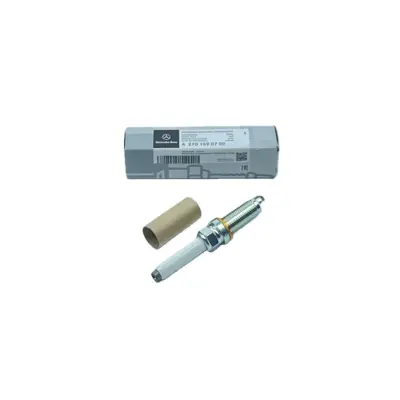
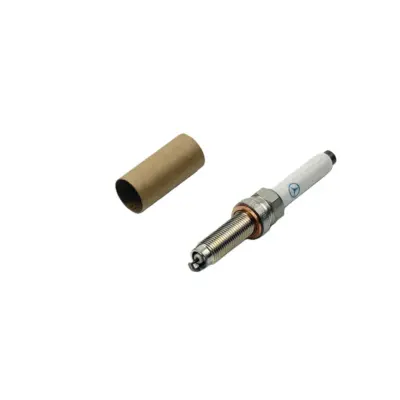
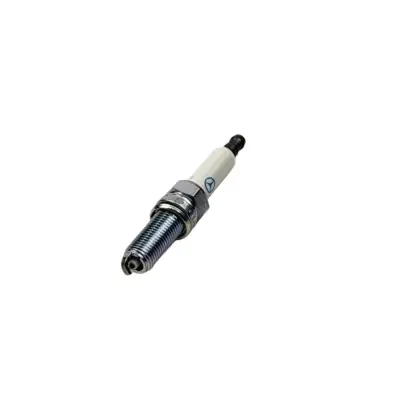

Before you source / Before you order
Confirm OE number or VIN to avoid fitment errors
Verify heat range and reach to prevent misfire or engine damage
Choose electrode material based on service interval and cost
Confirm packaging requirements for export shipping
Tip: send quantity, destination country, and packing requirement for faster quoting.
Fitment confirmation
Share the OE number, VIN, or engine details, and we’ll help confirm compatibility before ordering.
Request fitment check →
