Spark Plug Guide
How To Tell When Spark Plugs Are Bad in OEM Applications
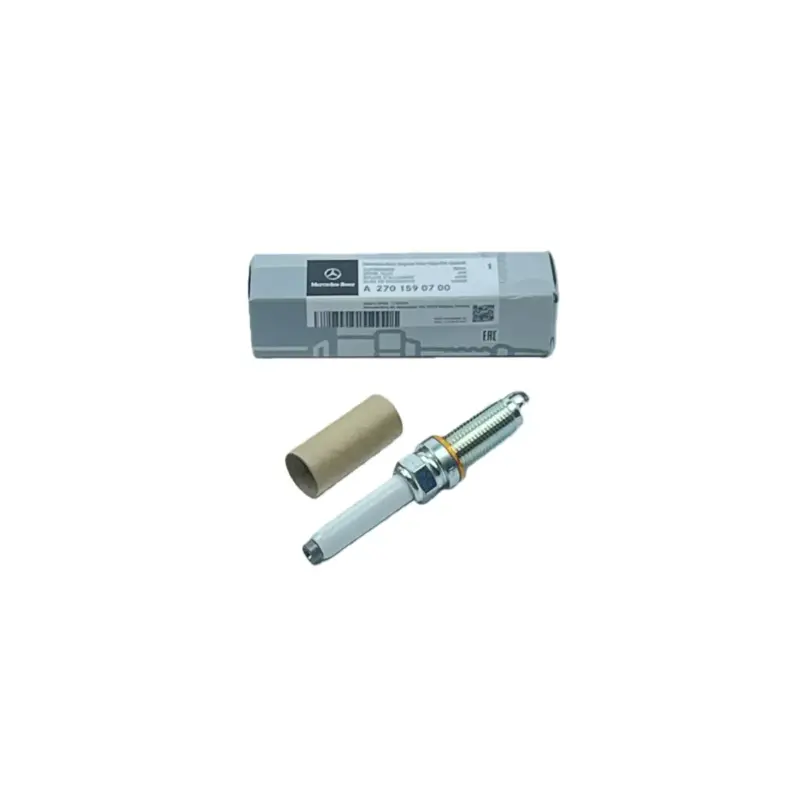
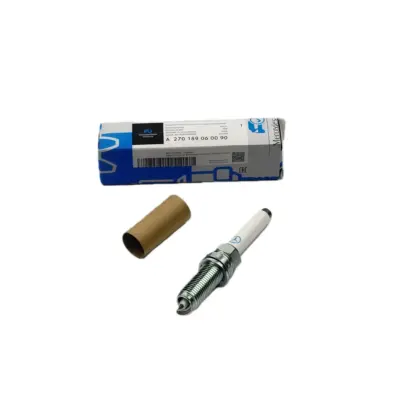
In OEM applications, spark plug degradation is often discovered only after engine performance has already declined. Misfires, fuel efficiency issues, or warranty claims typically appear late in the failure cycle. This guide explains how you can identify bad spark plugs in OEM applications and why early detection matters for bulk supply decisions. For wholesalers and [...]
How we verify fitment (Before placing a bulk order)
1OE / VIN collection — confirm OE number, vehicle identification, model year, and target market specification.
2Cross-reference validation— verify OEM catalog data and aftermarket interchange to identify supersessions and compatible alternatives.
3Application & specification check— validate key application parameters and technical specifications relevant to the product category.
4Sample or photo confirmation — pre-shipment sample or photo confirmation to minimize fitment and return risks.
For wholesalers and distributors, understanding failure signals helps reduce returns and improves application accuracy across OEM and aftermarket channels.
What Are The Early Signs Of Bad Spark Plugs In OEM Applications?
Bad spark plugs usually show performance-related symptoms before complete failure.
Recognizing these signs early helps you prevent downstream engine issues.
Common performance indicators
- Engine misfires or rough idle under load
- Delayed throttle response or unstable ignition timing
- Increased fuel consumption in normal driving conditions
How Do Worn Spark Plugs Affect Engine Operation?
As spark plugs wear, ignition energy weakens and combustion becomes inconsistent.
This directly affects engine smoothness and long-term component reliability.
Typical technical impacts
- Incomplete combustion cycles
- Higher stress on ignition coils
- Increased emissions and catalyst load
What Visual Inspection Results Indicate Spark Plug Failure?
Visual inspection remains a reliable way to assess spark plug condition in OEM systems.
Manufacturers define acceptable wear patterns and replacement thresholds.
Key inspection points
- Rounded or eroded electrodes
- Carbon fouling or oil deposits
- Abnormal discoloration caused by overheating
When Should Bad Spark Plugs Be Replaced In OEM Applications?
Replacement timing depends on material type and engine operating conditions.
Waiting too long increases the risk of secondary engine damage.
Replacement considerations
- OEM service interval recommendations
- Observed wear exceeding specification limits
- Recurring ignition-related fault codes
For bulk sourcing and inventory planning, understanding application coverage is essential.
You can review available OEM and aftermarket options in our spark plug wholesale category to compare specifications before confirming orders.
How We Verify Fitment Before Bulk Supply
Before confirming bulk spark plug orders, we apply a structured verification process to reduce application risk.
- OE number or engine code confirmation
- Cross-reference validation across catalogs
- Heat range and specification checks
- Sample or photo confirmation when required
If you need a more structured selection framework beyond symptom diagnosis, our how to choose the right spark plug guide explains material, heat range, and application logic for OEM and aftermarket supply.
When replacement selection becomes the next step, you can also reference how to choose a spark plug for oem and aftermarket supply to reduce repeat misfires and warranty risk in bulk orders.
Spark Plug Condition In OEM Applications – FAQs
Which symptom is most likely to indicate failing spark plugs in OEM applications?
Intermittent misfires under load and unstable idle are common early indicators.
These symptoms often appear before complete ignition failure.
Can bad spark plugs increase warranty claims for distributors?
Yes. Misfire complaints and repeat replacements are frequent warranty triggers.
Early identification and correct replacement selection reduce this risk.
Is visual inspection enough to confirm replacement timing?
Visual checks help, but OEM service intervals and specification limits should also be followed.
Combining both reduces incorrect replacement decisions.
What information helps confirm the correct replacement spark plug?
OE numbers, engine code, and application notes are most reliable for fitment validation.
These details reduce mismatches in bulk supply.
Identifying bad spark plugs early helps protect engine performance and reduces sourcing risk.
By understanding failure symptoms, inspection criteria, and fitment verification processes, you can make more confident OEM replacement decisions.
Related guides

Before you source / Before you order
Confirm OE number or VIN to avoid fitment errors
Verify heat range and reach to prevent misfire or engine damage
Choose electrode material based on service interval and cost
Confirm packaging requirements for export shipping
Tip: send quantity, destination country, and packing requirement for faster quoting.
Fitment confirmation
Share the OE number, VIN, or engine details, and we’ll help confirm compatibility before ordering.
Request fitment check →
