Spark Plug Guide
How to Know What Spark Plugs to Get – Pick Right Size & Type
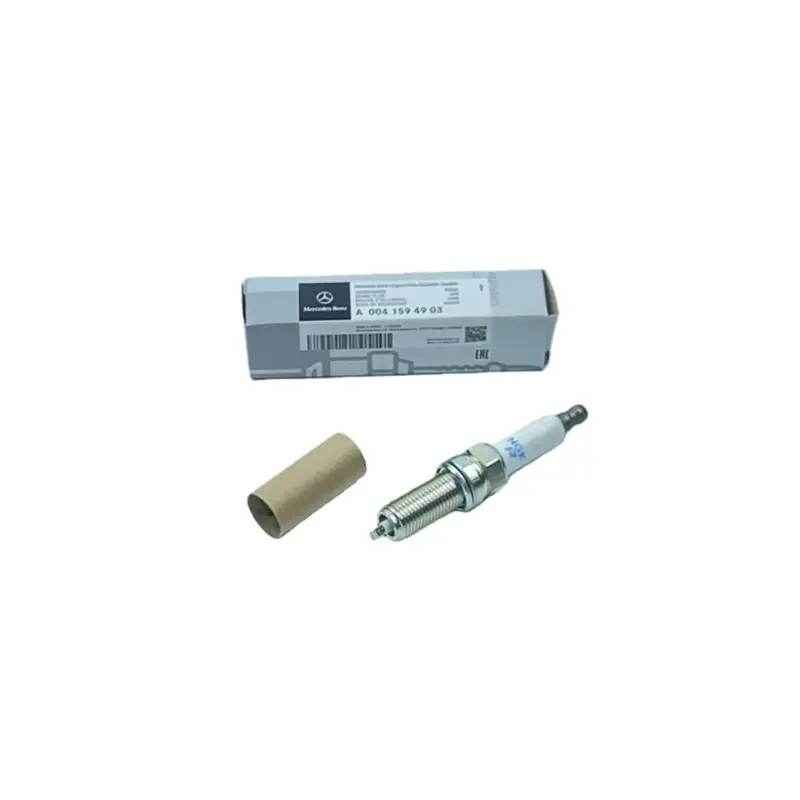
You can pick the right spark plugs by matching the correct size (thread, reach, seat) first, then confirming the right type (heat range, electrode design, and material). For wholesale buyers, the biggest risk is treating “same-looking” plugs as interchangeable, which often leads to misfires, short service life, and avoidable returns. This guide breaks down the [...]
How we verify fitment (Before placing a bulk order)
1OE / VIN collection — confirm OE number, vehicle identification, model year, and target market specification.
2Cross-reference validation— verify OEM catalog data and aftermarket interchange to identify supersessions and compatible alternatives.
3Application & specification check— validate key application parameters and technical specifications relevant to the product category.
4Sample or photo confirmation — pre-shipment sample or photo confirmation to minimize fitment and return risks.
If you manage mixed OEM and aftermarket demand, a structured selection process improves inventory planning and reduces application disputes.
It also makes your quotations faster because you can request the right information from buyers at the start.
What Information Do You Need Before Choosing Spark Plugs?
You should start with OE number or engine application data, then confirm the plug’s mechanical dimensions and performance specifications.
This prevents “close match” substitutions that look correct but fail in real operating conditions.
Minimum data to request from buyers
- OE number, engine code, or OEM part reference
- Vehicle model year and engine type (when OE is not available)
- Target market and expected service interval (fleet vs. retail vs. performance)
How Do You Identify The Correct Spark Plug Size?
Spark plug size is defined by thread diameter, thread pitch, thread reach, and seat type.
If any one of these is wrong, you risk poor sealing, incorrect electrode position, or mechanical damage.
Key size specifications you should confirm
- Thread diameter and pitch (engine head design requirement)
- Thread reach (electrode position inside the combustion chamber)
- Seat type (flat seat with gasket vs. tapered seat)
How Do You Choose The Right Heat Range?
You should match the OEM heat range because it controls how the plug transfers heat out of the combustion chamber.
A plug that is too “cold” can foul, while a plug that is too “hot” can overheat and accelerate wear.
Heat range checks that matter in procurement
- Confirm heat range via OE number mapping or catalog specification
- Consider duty cycle (high-load engines can be more heat-sensitive)
- Avoid heat range changes unless the application requires it and is validated
What Spark Plug Type Should You Choose For OEM And Aftermarket Supply?
You should choose spark plug type by aligning electrode design and material with the engine’s ignition demand and service interval expectations.
Material alone is not enough, because electrode geometry and heat range still control real-world performance.
Common material types and practical use cases
- Copper / nickel: cost-sensitive markets and older engines with shorter intervals
- Platinum: stable mid-range option for many standard service intervals
- Iridium: modern engines that require long-life performance and stable ignition
How Do OEM And Aftermarket Spark Plug Requirements Differ?
OEM plugs are optimized for a specific engine’s combustion and ignition system, while aftermarket options may prioritize broader coverage.
For distribution, you should decide whether your market values exact OE equivalence or accepts validated aftermarket equivalents.
Decision points for bulk buyers
- OEM-equivalent specs for warranty-sensitive channels
- Validated aftermarket substitutions for broader SKU coverage
- Packaging and labeling requirements based on local compliance expectations
To compare specifications across common applications and plan bulk inventory, you can browse spark plug wholesale to review OEM and aftermarket options by category.
Why Does Spark Plug Selection Fail In Bulk Orders?
Selection usually fails when buyers match only one parameter, such as thread size, and ignore heat range, seat type, or electrode configuration.
In B2B supply, this causes repeat misfire complaints, returns, and time-consuming application disputes.
Common bulk sourcing mistakes
- Assuming visual similarity equals compatibility
- Ignoring seat type and reach differences across engine variants
- Changing heat range or material without validating the application
How We Verify Fitment Before Bulk Supply
Before confirming bulk spark plug orders, we use a verification workflow that reduces mismatch risk and improves shipment accuracy.
This is especially important when you source for multiple markets with different replacement habits.
- OE number / engine code confirmation
- Cross reference verification across OEM and aftermarket catalogs
- Specification checks for size, seat, reach, heat range, and electrode design
- Sample or photo confirmation for high-risk SKUs or variant-heavy platforms
If you want a deeper framework for selection logic across different engine types, use how to choose the right spark plug to support OEM and aftermarket procurement decisions.
Once you have selected the correct size and type, inspection becomes the next step for warranty control and returns prevention, so you can also reference How to Inspect Spark Plugs: Check Condition, Gap & Performance.
How to Know What Spark Plugs to Get – FAQs
Can two spark plugs with the same size still be incompatible?
Yes. Plugs can share the same thread size but differ in reach, seat type, heat range, or electrode configuration.
You should confirm OE specifications, not just dimensions, before bulk substitution.
What is the most reliable way to pick the right spark plug type for wholesale supply?
OE number matching plus specification verification is the most reliable method.
This approach reduces returns because it confirms heat range and design, not only size.
Is it always safe to upgrade from copper to iridium?
Only if the OE specifications remain fully compatible, including heat range and electrode design.
Material upgrades alone do not guarantee better performance or lower warranty risk.
What information should buyers provide for accurate bulk sourcing?
OE numbers, engine details, quantities, and destination market requirements help confirm correct selection.
This improves application accuracy and stabilizes inventory planning.
You can pick the right spark plugs by verifying size first, then confirming heat range, design, and material against OE specifications.
When you apply a consistent verification workflow, bulk supply becomes more predictable and returns drop significantly.
Related guides
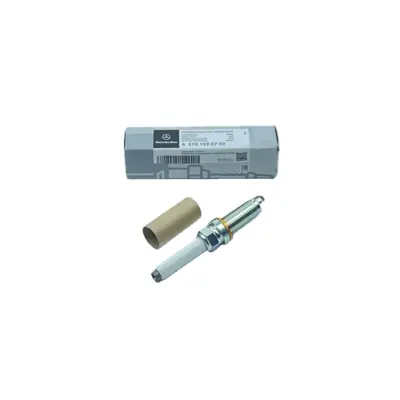
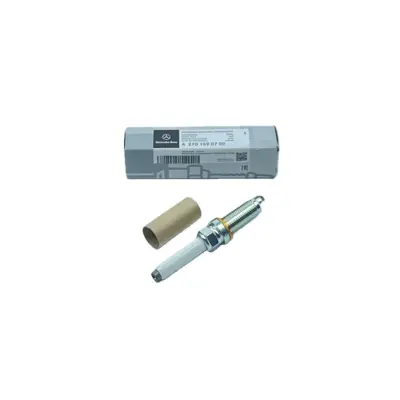
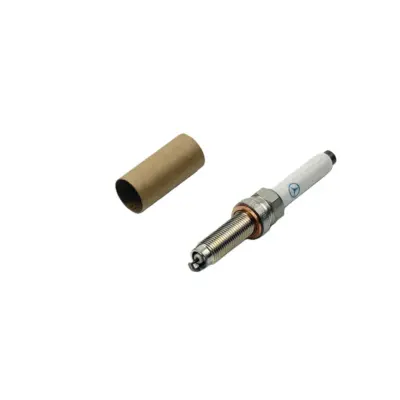

Before you source / Before you order
Confirm OE number or VIN to avoid fitment errors
Verify heat range and reach to prevent misfire or engine damage
Choose electrode material based on service interval and cost
Confirm packaging requirements for export shipping
Tip: send quantity, destination country, and packing requirement for faster quoting.
Fitment confirmation
Share the OE number, VIN, or engine details, and we’ll help confirm compatibility before ordering.
Request fitment check →
