Spark Plug Guide
How To Choose A Spark Plug for OEM and Aftermarket Supply
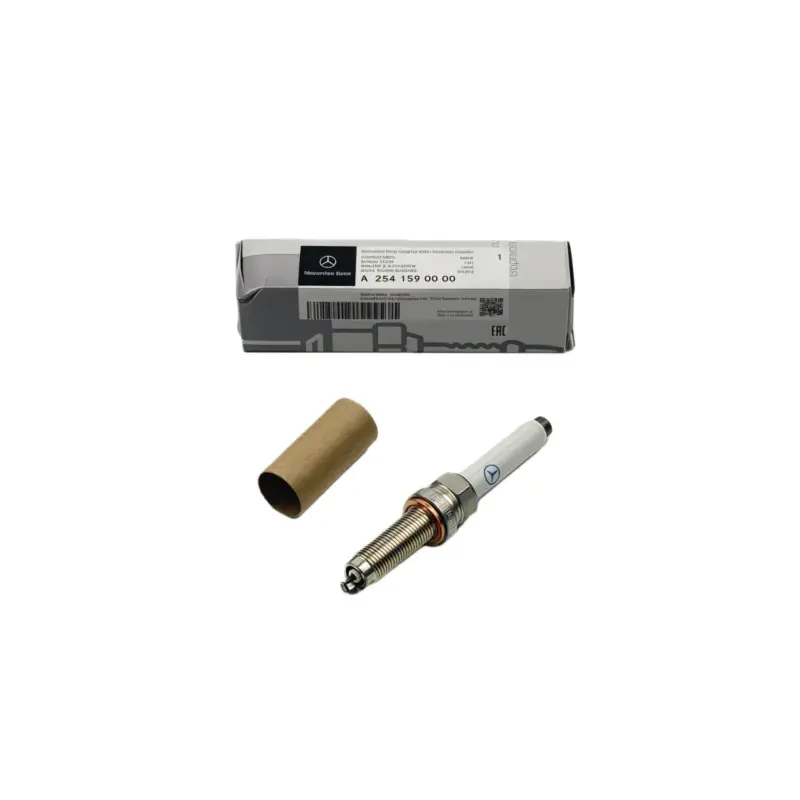
Choosing the right spark plug for OEM and aftermarket supply requires more than matching thread size or appearance. Incorrect selection can lead to misfires, reduced service life, and increased warranty exposure. This guide explains how you can evaluate spark plugs for bulk supply using technical and application-based criteria. For distributors and sourcing teams, proper selection [...]
How we verify fitment (Before placing a bulk order)
1OE / VIN collection — confirm OE number, vehicle identification, model year, and target market specification.
2Cross-reference validation— verify OEM catalog data and aftermarket interchange to identify supersessions and compatible alternatives.
3Application & specification check— validate key application parameters and technical specifications relevant to the product category.
4Sample or photo confirmation — pre-shipment sample or photo confirmation to minimize fitment and return risks.
For distributors and sourcing teams, proper selection improves inventory accuracy and long-term customer satisfaction.
What Factors Should You Consider When Choosing Spark Plugs For Supply?
Spark plug selection must align with engine design and OEM specifications.
Material and heat range directly influence performance and durability.
Primary selection factors
- OE number and engine compatibility
- Correct heat range for operating conditions
- Electrode design and material type
How Does Spark Plug Material Affect Supply Decisions?
Material choice determines service interval, ignition stability, and replacement frequency.
Selecting the wrong material can create over-specification or early failure risks.
Common material options
- Copper for older or cost-sensitive applications
- Platinum for moderate service intervals
- Iridium for modern engines with extended maintenance cycles
How Do OEM And Aftermarket Spark Plug Requirements Differ?
OEM spark plugs are designed for precise engine compatibility, while aftermarket options may target broader coverage.
Understanding these differences helps align product selection with market expectations.
Key supply considerations
- OEM-specific performance and durability targets
- Aftermarket flexibility across multiple engine platforms
- Market acceptance and replacement habits
When evaluating different specifications and materials, buyers can browse our spark plug wholesale category to understand OEM coverage and aftermarket alternatives.
Why Is Correct Spark Plug Selection Critical For Warranty Control?
Incorrect spark plug selection is a common cause of misfire-related claims.
Accurate matching reduces warranty exposure and improves end-user confidence.
Risk reduction benefits
- Lower return rates from incorrect applications
- Improved ignition system reliability
- More predictable service intervals
How We Verify Fitment Before Bulk Supply
Before confirming bulk spark plug orders, we apply a structured verification process to ensure application accuracy.
- OE number and engine code confirmation
- Cross-reference checks across trusted catalogs
- Heat range and specification validation
- Sample or photo confirmation when required
For buyers comparing long-term performance and replacement intervals, the how to choose the right spark plug resource provides a complete overview of selection criteria across different engine types.
Selection accuracy also depends on identifying early failure patterns.
For common OEM warning signs, see how to tell when spark plugs are bad in oem applications before confirming bulk supply.
Spark Plug Selection – FAQs
What is the most reliable method to choose spark plugs for OEM supply?
OE number matching combined with engine specification checks is the most reliable method.
This prevents application errors that lead to returns and warranty issues.
Can aftermarket spark plugs replace OEM spark plugs in bulk supply?
Only when OE specifications match, including heat range and electrode configuration.
Visual similarity alone is not sufficient for wholesale sourcing.
Is spark plug material more important than brand in selection decisions?
Material and specification accuracy matter more than brand for service life and performance.
Choosing the correct design reduces long-term failure risk.
What information should buyers provide for accurate bulk sourcing?
OE numbers, engine details, target quantities, and destination market requirements help confirm correct selection.
This improves supply stability and reduces mismatches.
Choosing the right spark plug for OEM and aftermarket supply requires technical understanding and structured verification.
By aligning material, specifications, and application data, you can support reliable ignition performance and stable distribution outcomes.
Related guides
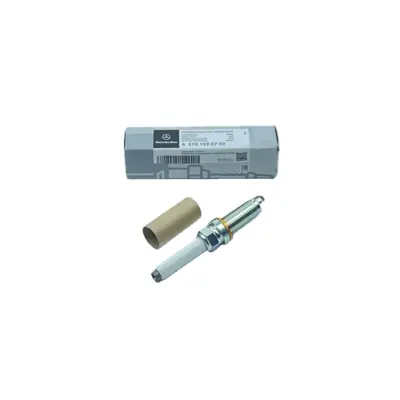
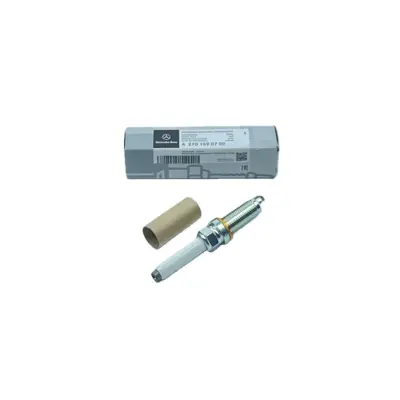
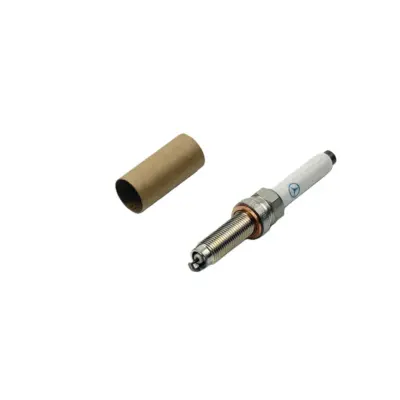

Before you source / Before you order
Confirm OE number or VIN to avoid fitment errors
Verify heat range and reach to prevent misfire or engine damage
Choose electrode material based on service interval and cost
Confirm packaging requirements for export shipping
Tip: send quantity, destination country, and packing requirement for faster quoting.
Fitment confirmation
Share the OE number, VIN, or engine details, and we’ll help confirm compatibility before ordering.
Request fitment check →
