Spark Plug Guide
Key Factors for Buying Spark Plugs in Bulk for OEM Supply
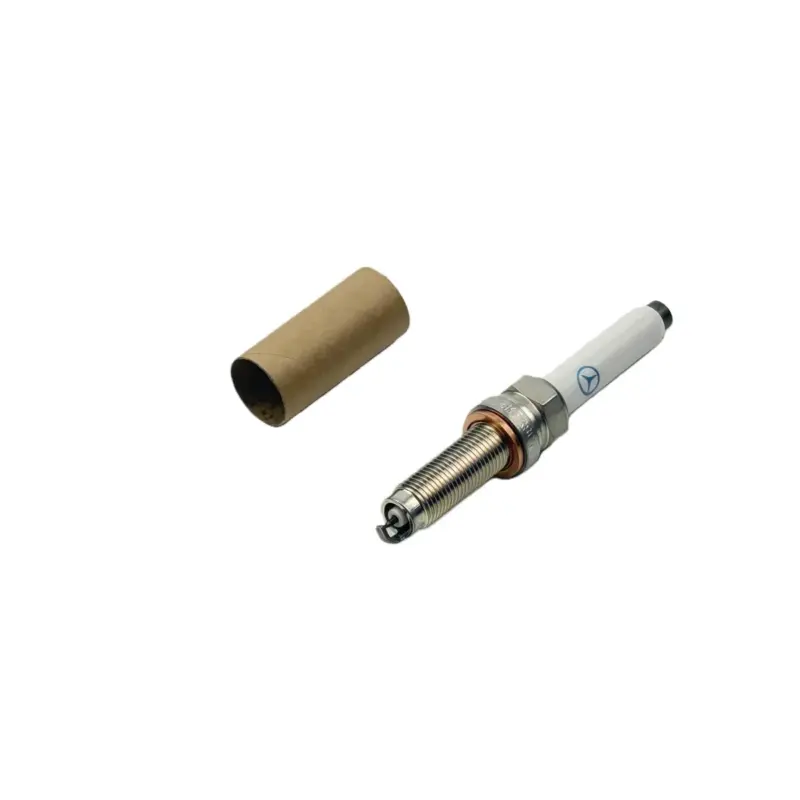
Buying spark plugs in bulk for OEM supply requires more than matching part numbers.
OEM programs demand long-term consistency, controlled tolerances, and predictable performance across multiple production batches.
How we verify fitment (Before placing a bulk order)
1OE / VIN collection — confirm OE number, vehicle identification, model year, and target market specification.
2Cross-reference validation— verify OEM catalog data and aftermarket interchange to identify supersessions and compatible alternatives.
3Application & specification check— validate key application parameters and technical specifications relevant to the product category.
4Sample or photo confirmation — pre-shipment sample or photo confirmation to minimize fitment and return risks.
OE specification alignment and documentation
OEM-focused buyers must confirm that spark plug specifications fully align with OE drawings and validation standards. Any deviation in heat range, resistance, or electrode design increases the risk of rejection or post-installation issues.
Material selection and durability expectations
- Nickel alloy for cost-controlled, standard-duty applications
- Platinum for extended service intervals
- Iridium for high-temperature, high-load engines
Bulk sourcing decisions should reflect engine requirements rather than price alone.
Production consistency and batch control
OEM supply programs require consistent electrode geometry, insulation quality, and resistance values across all shipments. Even minor variation can lead to large-scale quality disputes.
Packaging, traceability, and logistics
Proper packaging protects spark plugs from impact damage and contamination during transport. Traceability labeling supports quality audits and simplifies issue resolution if field complaints occur.
Risk control for long-term OEM contracts
OEM buyers should prioritize suppliers capable of stable output rather than short-term pricing advantages.
Long-term reliability directly affects recall exposure and brand reputation.
For application-level selection logic, see how to choose the right spark plug and the engine-focused reference Spark Plug Selection Guide by Engine Type for Wholesale Buyers.
Wholesale sourcing references
For bulk supply options and catalog coverage, refer to spark plug wholesale.
Key Factors for Buying Spark Plugs in Bulk – FAQs
Why is production consistency critical for OEM spark plug supply?
OEM programs require identical performance across large volumes.
Inconsistent batches increase rejection rates and after-sales risk.
Is electrode material more important than price in OEM contracts?
Yes. Material choice directly affects durability and ignition stability, which are core OEM performance requirements.
How can buyers reduce quality disputes in bulk spark plug orders?
By defining acceptance criteria, batch traceability, and inspection standards before scaling volume.
Should OEM buyers rely only on OE numbers?
OE numbers are essential, but specification verification is equally important to avoid hidden compatibility issues.
Related guides
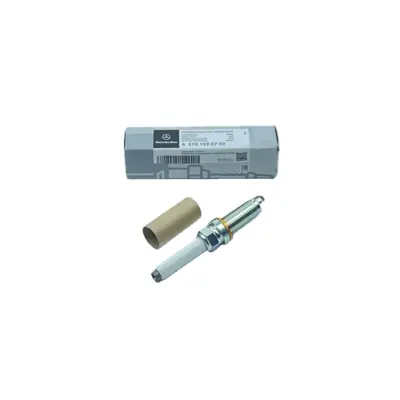
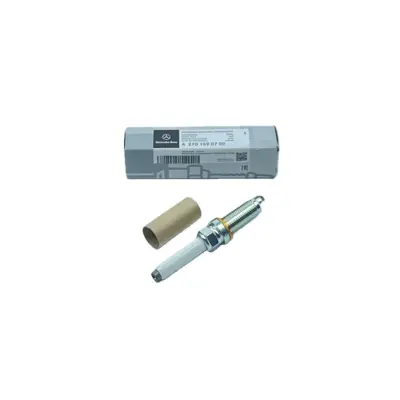
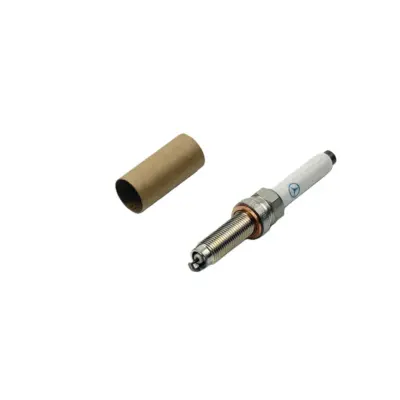

Before you source / Before you order
Confirm OE number or VIN to avoid fitment errors
Verify heat range and reach to prevent misfire or engine damage
Choose electrode material based on service interval and cost
Confirm packaging requirements for export shipping
Tip: send quantity, destination country, and packing requirement for faster quoting.
Fitment confirmation
Share the OE number, VIN, or engine details, and we’ll help confirm compatibility before ordering.
Request fitment check →
