Brake Pads Guides
What to Look for When Buying Brake Pads: A Practical Guide
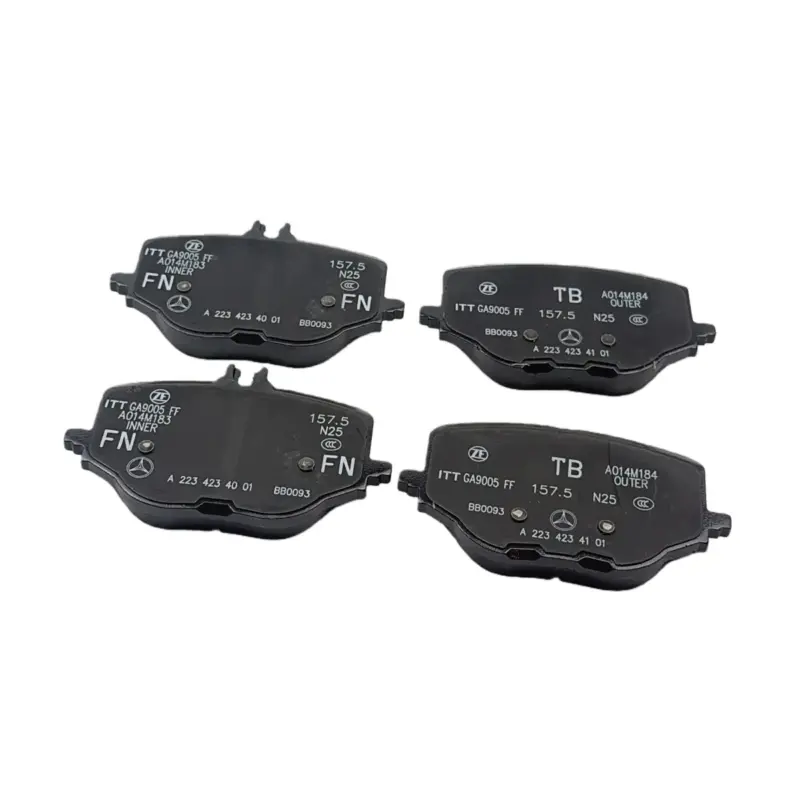
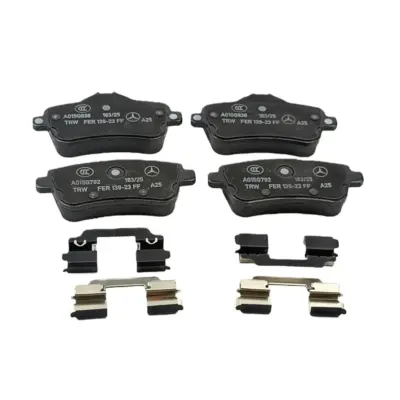
Buying brake pads is not just about choosing a “popular” material or brand. For bulk buyers and distributors, the wrong brake pad spec can trigger noise complaints, uneven wear, or unexpected warranty returns. This practical guide explains what to look for when buying brake pads using technical checks that protect fitment accuracy and aftersales performance. [...]
How we verify fitment (Before placing a bulk order)
1OE / VIN collection — confirm OE number, vehicle identification, model year, and target market specification.
2Cross-reference validation— verify OEM catalog data and aftermarket interchange to identify supersessions and compatible alternatives.
3Application & specification check— validate key application parameters and technical specifications relevant to the product category.
4Sample or photo confirmation — pre-shipment sample or photo confirmation to minimize fitment and return risks.
If you also need a direct comparison between OEM and aftermarket options, read OEM Brake Pads vs Aftermarket: Which Is Better for Your Car? to understand real differences that affect sourcing and stocking decisions.
What Should You Check First When Buying Brake Pads?
Start with fitment accuracy. A brake pad that “looks similar” can still be wrong due to caliper design, friction shape, or thickness limits. Your first check should always confirm the correct application before evaluating performance features.
Fitment checks that reduce returns
- Confirm OE number or application reference for the exact brake system
- Verify axle position and brake package (standard vs performance variants)
- Check pad shape and backing plate profile, not just overall length
How Do You Evaluate Brake Pad Material For Real-World Use?
Material choice should match braking load and market expectations. A “better” compound in one market can create noise or dust complaints in another. Your selection should balance friction stability, noise behavior, and wear characteristics.
Common material options and what they typically change
- Ceramic: typically lower dust and quieter behavior in normal driving
- Semi-metallic: typically stronger high-temperature performance and bite
- Low-metallic: often a balance between cost, response, and noise control
What Specifications Matter Most When Buying Brake Pads?
Brake pads are defined by more than shape. Thickness, slot/chamfer design, and hardware compatibility can affect noise and braking feel. Verifying key specifications helps you avoid mismatched installs and repeat failures.
Specifications you should confirm
- Pad thickness and allowable wear limits for the caliper design
- Friction category/compound stability for the expected operating temperature
- Shims, clips, sensors, and hardware compatibility for the target vehicle
How Can You Spot Quality Risks Before Stocking Brake Pads?
Look for indicators that affect consistency, not just appearance. Quality risks typically show up as uneven friction blocks, poor bonding, or inconsistent finishing. These issues often become noise, vibration, or premature wear complaints.
Common quality risk signals
- Inconsistent friction block density or uneven edges
- Poor bonding between friction material and backing plate
- Irregular shim fitment, weak coating, or inconsistent finishing
What Should Bulk Buyers Look For In Packaging And Labeling?
Packaging impacts warehouse accuracy and customer trust. Clear labeling reduces picking mistakes, while consistent batch tracking supports warranty handling. For distribution, packaging should protect pad edges and friction faces during transport.
Packaging and traceability checks
- Clear application labeling and part identification to reduce mis-picks
- Batch/lot traceability for claim handling and quality feedback
- Protective inner packing to reduce shipping damage and contamination
How We Verify Fitment Before Bulk Supply
Before confirming bulk brake pad orders, we use a structured verification workflow designed to reduce application errors. This process helps you control fitment risk and avoid repeat customer complaints.
- OE number or VIN-based confirmation when available
- Cross reference checks across OEM and aftermarket catalogs
- Brake system validation (axle position, caliper type, brake package)
- Sample, drawing, or photo confirmation when required
For category-level sourcing and bulk availability planning, you can browse brake pads wholesale to review OEM and aftermarket coverage by application.
If you need a full selection framework for buyers, use brake pads buying guide to align material, specs, and market needs before placing bulk orders.
What to Look for When Buying Brake Pads – FAQs
Which brake pad detail causes the most fitment-related returns in bulk supply?
The most common cause is a mismatch in pad shape or thickness for the specific caliper and brake package.
OE number and brake system validation reduce this risk significantly.
Is choosing a “higher performance” pad always safer for distributors?
Not always. Higher bite compounds can increase noise or rotor wear in markets that prioritize comfort.
Selection should match the target driving profile and customer expectations.
What should buyers confirm besides pad shape?
You should confirm thickness limits, hardware compatibility, and friction stability at expected operating temperatures.
These factors often determine noise behavior and service life.
What information is most useful for accurate bulk sourcing?
OE numbers, axle position, brake package details, and target quantities help confirm the correct pad spec.
Market destination also helps align material choice with buyer expectations.
To buy brake pads with fewer returns, focus on fitment accuracy first, then evaluate material, specs, and quality consistency. When you apply a repeatable verification workflow, you reduce aftersales risk and build a more stable brake pad supply strategy.
Related guides
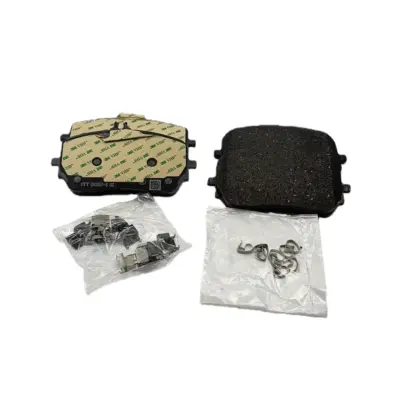
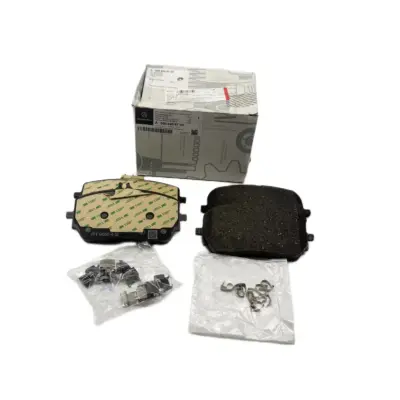
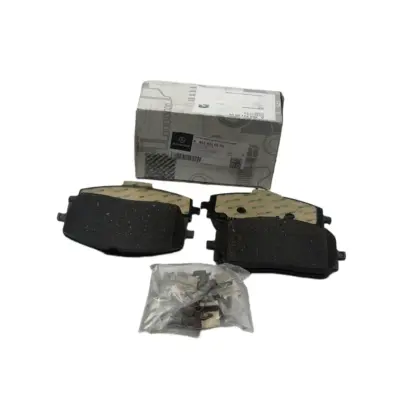
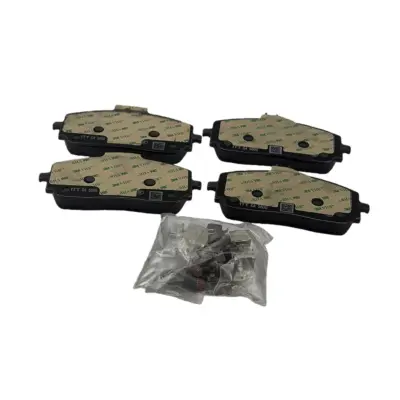

Before you source / Before you order
Confirm OE number or VIN to avoid fitment errors
Verify heat range and reach to prevent misfire or engine damage
Choose electrode material based on service interval and cost
Confirm packaging requirements for export shipping
Tip: send quantity, destination country, and packing requirement for faster quoting.
Fitment confirmation
Share the OE number, VIN, or engine details, and we’ll help confirm compatibility before ordering.
Request fitment check →
