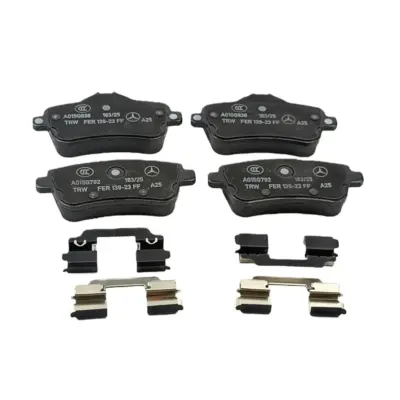
Brake Pads Guides
Toyota OEM Brake Pads: OE Matching, Fitment and Buying Guide
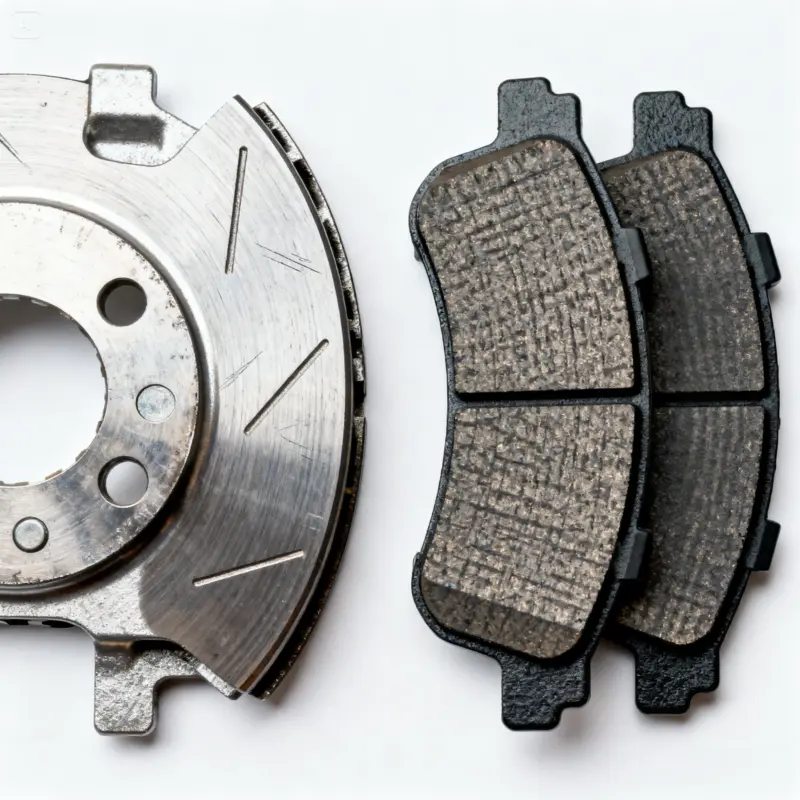
If you buy Toyota brake pads for bulk supply, the fastest way to lose margin is repeated fitment returns. The pain usually starts with broad searches like “toyota oem brake pads” and ends with mixed trims, axle confusion, and incomplete hardware. This guide shows you how to use OE matching and application checks to choose [...]
How we verify fitment (Before placing a bulk order)
1OE / VIN collection — confirm OE number, vehicle identification, model year, and target market specification.
2Cross-reference validation— verify OEM catalog data and aftermarket interchange to identify supersessions and compatible alternatives.
3Application & specification check— validate key application parameters and technical specifications relevant to the product category.
4Sample or photo confirmation — pre-shipment sample or photo confirmation to minimize fitment and return risks.
You get better outcomes when you treat “oem toyota brake pads” as a precise spec match, not a universal replacement. When your OE logic is consistent, your inventory becomes easier to pick, pack, and reorder.
Why do toyota oem brake pads require oe matching for wholesale buyers?
Toyota platforms often share model names across multiple brake packages and model-year splits. If you buy only by vehicle name, you can still ship the wrong pad shape or thickness class. Your safest approach is OE number matching, then validating axle position and brake system notes.
What usually causes the wrong Toyota pad to be shipped?
- Axle confusion: “toyota oem brake pads” searches do not specify front vs rear.
- Platform variations: trims and engine packages can change caliper and pad families.
- Hardware gaps: missing shims or clips can cause noise complaints after installation.
How should you validate oe matching for popular toyota platforms?
Start with OE number matching, then confirm platform and axle position, and finally validate brake option notes. This is especially important for high-volume terms like “toyota tundra oem brake pads,” “toyota 4runner oem brake pads,” and “toyota rav4 oem brake pads,” where many aftermarket listings look interchangeable but are not.
Which Toyota groups should you treat as high-variation?
Truck and SUV platforms
“toyota tundra oem brake pads” and “toyota tacoma brake pads oem” often vary by year split and brake option.
Confirm OE + axle + caliper family before you standardize a SKU.
Confirm OE + axle + caliper family before you standardize a SKU.
High-volume passenger models
“2007 toyota camry oem brake pads,” “2012 toyota camry oem brake pads,” and “2014 toyota camry oem brake pads” can differ by production updates.
Use OE matching rather than model-year assumptions.
Use OE matching rather than model-year assumptions.
For sourcing and application coverage, you can browse brake pads wholesale and use brake pads buying guide as your reference workflow for OE matching and fitment checks.
What should you check besides oe number when buying oem brake pads toyota?
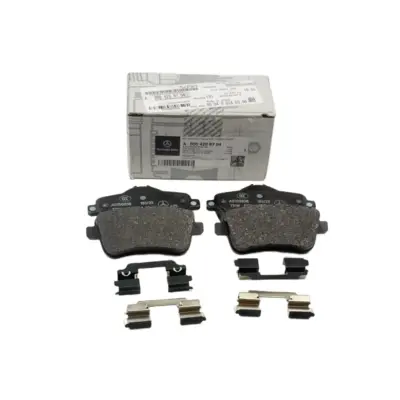
You should confirm pad outline and the hardware set, because packaging differences can create noise and vibration complaints even when the OE number is correct. If your market often asks for “toyota oem brake pads and rotors,” you should also verify rotor compatibility by axle and brake option to avoid mismatched friction surfaces.
Fitment checkpoints that reduce returns
- Pad shape confirmation: backing plate outline, slot positions, and wear indicator location.
- Thickness class: confirm pad thickness and caliper clearance notes.
- Hardware and shim strategy: ensure shims/clips match the application to reduce noise risk.
How should you think about toyota oem brake pad material?
Material should match the market’s noise expectations, dust tolerance, and duty cycle. You do not need to chase the “strongest” compound if your distribution market prioritizes quiet braking and stable wear. The practical goal is consistent friction behavior and predictable service intervals.
Material selection cues for bulk procurement
- Noise-sensitive markets: prioritize stable friction with effective shims and chamfer design.
- Commercial or heavy use: verify heat tolerance and fade control for repeated braking cycles.
- Warranty control: avoid mixed compounds under the same SKU label.
How we verify fitment before bulk supply
You reduce sourcing risk when you follow a clear verification workflow that your team can repeat. The workflow should start from OE matching, then confirm the application and brake system details, and finally validate the physical pad shape and packaging requirements. This protects you from fitment disputes after delivery.
- OE number / VIN confirmation: you share OE and platform details, and we confirm match logic.
- Cross reference: we check OE mapping across OEM and aftermarket references.
- Application & specification check: axle position, brake option notes, and hardware requirements.
- Sample / photo confirmation: we validate pad outline and accessory set before shipment.
How can you reduce confusion across camry, tacoma, tundra, and highlander demand?
You should group inventory by platform family and year split, then label SKUs by axle and brake option. This is especially useful for repeated terms like “toyota highlander oem brake pads,” “toyota sienna oem brake pads,” and “toyota tacoma oem brake pads,” where the search term is clear but the brake system may vary.
Inventory rules that make picking safer
- Platform-first organization: Camry vs Tacoma vs Tundra vs 4Runner vs RAV4 families.
- Axle-first SKU naming: front and rear pads separated physically and in your ERP.
- Year-split notes: add “before/after” split labels when catalogs show production updates.
If you also source European applications, compare your workflow with bmw oem brake pads: oe matching, fitment and buying guide to see how brake option variation changes the OE matching steps.
Toyota OEM Brake Pads – FAQs
What is the safest way to confirm oem toyota brake pads for bulk orders?
Use OE number matching first, then confirm axle position and brake option notes. This sequence prevents “looks similar” substitutions that cause returns.
Why do “toyota tundra oem brake pads” and “toyota tacoma brake pads oem” need separate checks?
They are different platforms with different brake packages and year splits. You should verify OE mapping and brake system details for each model family.
Can “toyota oem brake pads and rotors” be sourced as a universal kit?
Only when OE numbers and axle-specific specifications match. You should verify rotor size group and pad hardware notes to avoid mismatched friction surfaces.
Who makes oem brake pads for toyota, and does it change your sourcing decision?
OEM pads are produced by qualified suppliers to Toyota specifications, but your sourcing decision should prioritize OE matching, compound consistency, and fitment verification rather than supplier assumptions.
Which Toyota model-year queries most often lead to mistakes?
High-volume queries like “2007 toyota camry oem brake pads” and “2016 toyota camry oem brake pads” can hide production splits. OE matching is more reliable than model-year assumptions.
Toyota OEM brake pad sourcing becomes easier when your process is OE-led and application-checked. If you confirm OE, axle, and brake option before you buy, you reduce avoidable returns and keep your bulk supply stable.
Related guides

Before you source / Before you order
Confirm OE number or VIN to avoid fitment errors
Verify heat range and reach to prevent misfire or engine damage
Choose electrode material based on service interval and cost
Confirm packaging requirements for export shipping
Tip: send quantity, destination country, and packing requirement for faster quoting.
Fitment confirmation
Share the OE number, VIN, or engine details, and we’ll help confirm compatibility before ordering.
Request fitment check →
