Home/Spark Plug Guide/Spark Plug Selection for Turbocharged Engine Applications
Spark Plug Guide

Spark Plug Selection for Turbocharged Engine Applications

5 min read
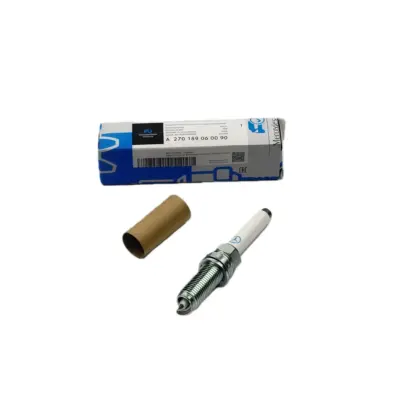
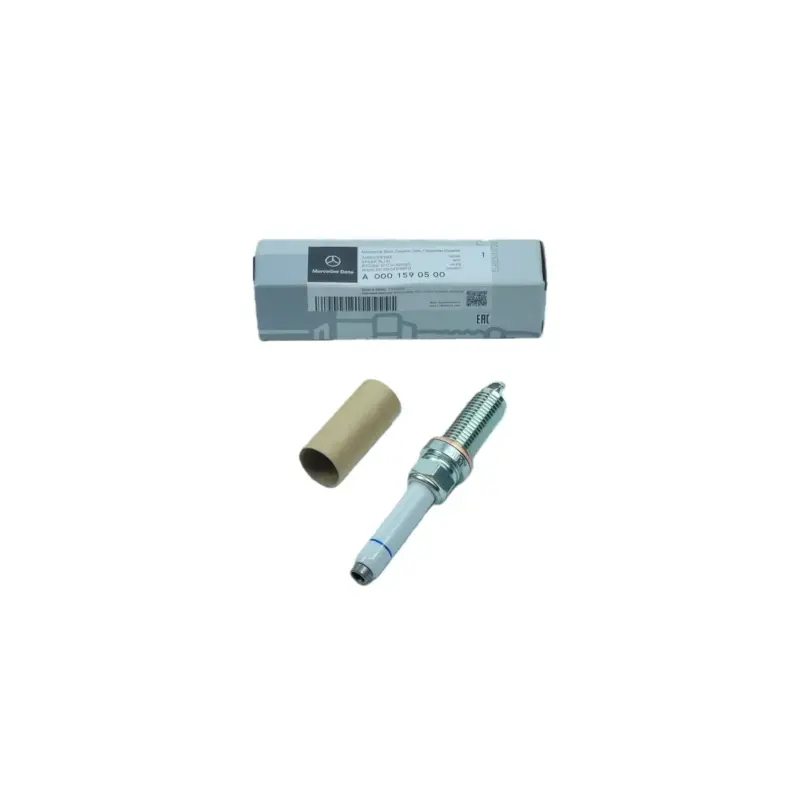
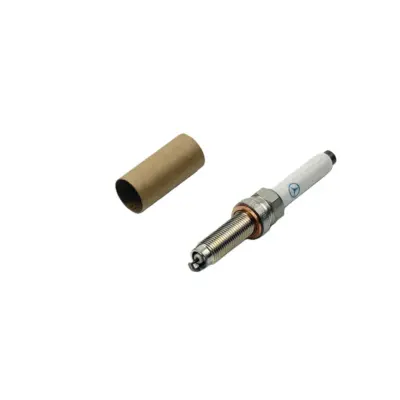
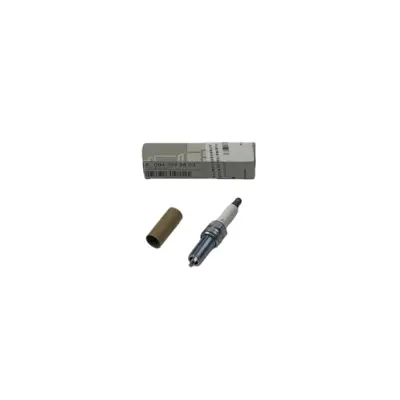
Spark plug selection for turbocharged engines showing heat and pressure considerations
Turbocharged engines create a harsher ignition environment than naturally aspirated platforms. If your spark plug selection is off, you’ll see misfires under boost, inconsistent acceleration, and early electrode wear.
How we verify fitment (Before placing a bulk order)
1OE / VIN collection — confirm OE number, vehicle identification, model year, and target market specification.
2Cross-reference validation— verify OEM catalog data and aftermarket interchange to identify supersessions and compatible alternatives.
3Application & specification check— validate key application parameters and technical specifications relevant to the product category.
4Sample or photo confirmation — pre-shipment sample or photo confirmation to minimize fitment and return risks.

Why Do Turbocharged Engines Increase Spark Plug Stress?

Boost raises cylinder pressure and temperature, making spark formation harder and heat control more critical. Your spark plug must maintain stability without overheating.

What turbo-specific conditions should you consider?

  • Higher cylinder pressure can trigger misfires if spark energy is unstable.
  • Higher combustion heat increases erosion and overheating risk.
  • Long intervals increase deposit management importance.

How Do You Choose The Right Heat Range For Turbocharged Applications?

Heat range should follow OE specification unless you have verified, approved alternatives. Choosing “colder” blindly can cause fouling and idle instability in daily driving profiles.

What checks help you avoid heat range mistakes?

  • OE heat range reference for engine code and production revision.
  • Operating profile (boost level, towing, fleet duty, driving style).
  • Fuel quality and deposit tendencies in the destination market.

Which Materials And Electrode Designs Work Best Under Boost?

Fine-wire electrodes often improve spark stability and resist wear under thermal load. Your goal is stable ignition under pressure and predictable service behavior.

How should you match material to turbo requirements?

  • Iridium for stable ignition and long service intervals on modern turbo engines.
  • Platinum for balanced durability where intervals are moderate.
  • Copper for short-interval programs where replacement is frequent.

How Do You Confirm Correct Size And Seat Type For Turbo Engines?

Turbo engines often have tight packaging and sensitive combustion chamber geometry. Correct reach and seat type matter because they affect heat transfer and spark position.

Which size details should you verify first?

  • Thread reach to ensure correct electrode placement and heat behavior.
  • Seat type to prevent sealing problems and compression loss.
  • Terminal and hex style to match coil/boot configuration.

For application coverage and bulk ordering, use spark plug wholesale as your filtered list after OE spec confirmation.


What Mistakes Cause Turbocharged Spark Plug Warranty Issues?

Warranty issues usually come from wrong heat range assumptions, mismatched designs, or missing variant differences. Turbo engines often have multiple calibrations and revisions that change plug requirements.

What mistakes should you block in your supply process?

  • Substituting plugs based on thread size only.
  • Using “performance” plugs without OE confirmation for daily-duty markets.
  • Ignoring engine revision changes that alter heat range and design.

How We Verify Fitment Before Bulk Supply

Turbo applications need a strict verification routine because misfire risk is higher under pressure. You should standardize your checks to prevent spec drift across batches.

What steps should you follow before confirming orders?

  • OE number and engine code confirmation, including turbo variant notes.
  • Cross reference checks across OEM and aftermarket catalogs.
  • Application and specification check (reach, seat, heat range, design).
  • Sample or photo confirmation when turbo revisions are uncertain.

Use how to choose the right spark plug as your sourcing baseline across multiple turbo platforms.


How Does Turbo Selection Connect To Long Service Life Programs?

Turbo engines often sit inside long-interval maintenance strategies, especially for fleets and modern passenger platforms. If you supply long-life programs, you should align material and verification to minimize early failures.

Continue with spark plug selection for long service life in fleet operations to build a bulk-supply approach focused on durability and warranty control.


Turbocharged Spark Plug Selection – FAQs

Why do turbo engines misfire more easily with the wrong spark plugs?

Higher cylinder pressure makes spark formation harder. Wrong heat range or electrode design can reduce ignition stability under boost.

Should you always choose iridium spark plugs for turbocharged engines?

Often yes for modern platforms, but only when OE specs match. Heat range and design still matter more than material alone.

What information do you need to verify turbo spark plug fitment for bulk orders?

OE number, engine code, turbo variant notes, and production range help confirm correct specification. Photos can help resolve variant ambiguity.

What is the most common turbo spark plug selection mistake in wholesale supply?

Choosing by size only and ignoring heat range and design differences. That often leads to boost misfires and early complaints.
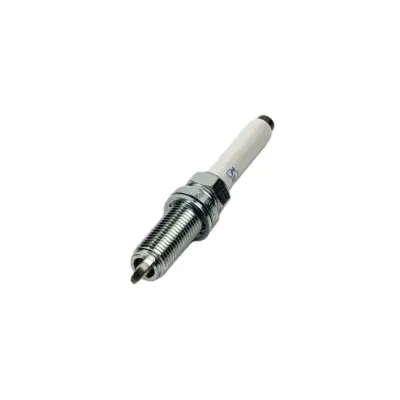
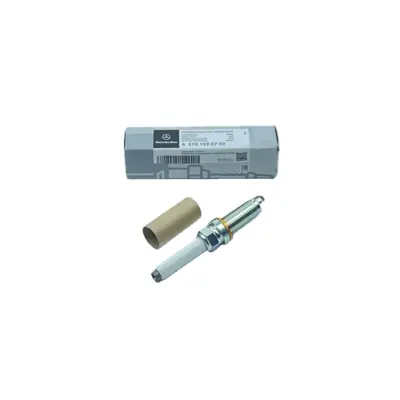
Turbocharged applications demand stable ignition under pressure and controlled heat behavior. If you verify OE specs and lock your bulk workflow, you reduce misfires, returns, and warranty exposure.
GL-Carparts Technical Team
Ignition & Engine Parts Specialist 8+ years
Focused on OE matching, fitment validation, and export-ready wholesale supply for global distributors and workshops.
Before you source / Before you order
Confirm OE number or VIN to avoid fitment errors
Verify heat range and reach to prevent misfire or engine damage
Choose electrode material based on service interval and cost
Confirm packaging requirements for export shipping
Tip: send quantity, destination country, and packing requirement for faster quoting.
Fitment confirmation
Share the OE number, VIN, or engine details, and we’ll help confirm compatibility before ordering.
Request fitment check →