
Brake Pads Guides
OEM vs Aftermarket Brake Pads: Pros, Cons, and Real Differences
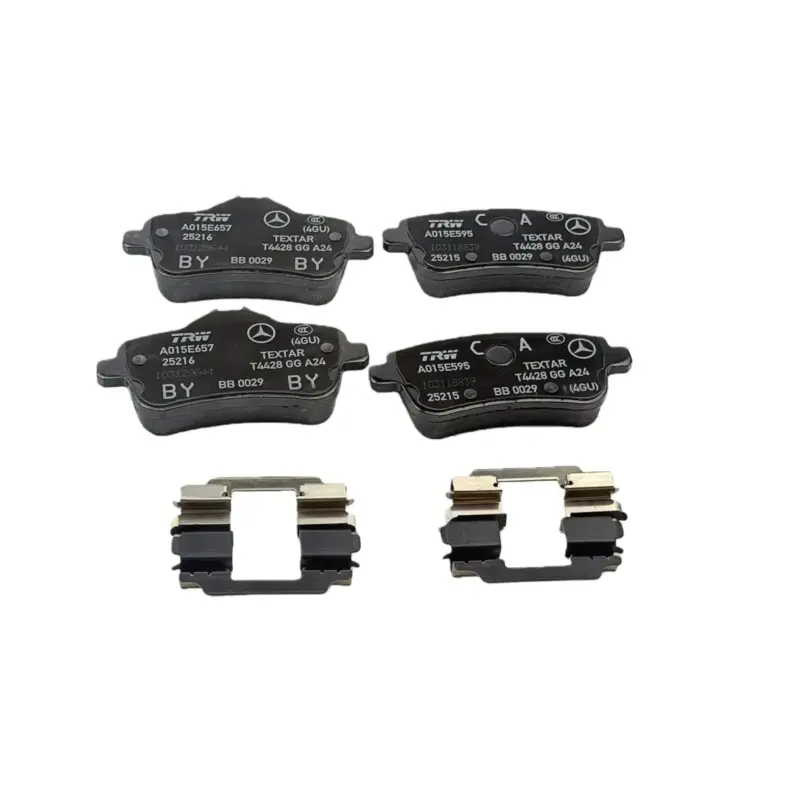
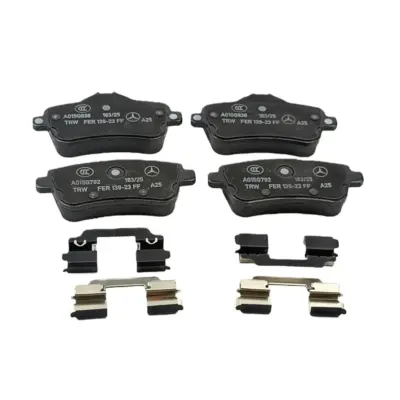
OEM brake pads and aftermarket brake pads are often discussed as if one is universally better than the other. In reality, the differences are more nuanced and directly affect braking feel, noise behavior, rotor wear, and warranty risk. This article explains the real pros and cons of OEM and aftermarket brake pads from a technical [...]
How we verify fitment (Before placing a bulk order)
1OE / VIN collection — confirm OE number, vehicle identification, model year, and target market specification.
2Cross-reference validation— verify OEM catalog data and aftermarket interchange to identify supersessions and compatible alternatives.
3Application & specification check— validate key application parameters and technical specifications relevant to the product category.
4Sample or photo confirmation — pre-shipment sample or photo confirmation to minimize fitment and return risks.
If you are deciding which option fits your vehicle or supply strategy best, you may also want to read Are OEM Brake Pads Better Than Aftermarket? An Honest Comparison for a direct, buyer-focused evaluation.
What Are OEM Brake Pads Designed For?
OEM brake pads are engineered to meet the vehicle manufacturer’s original performance targets.
These targets usually prioritize predictable pedal feel, low noise, and balanced wear rather than maximum braking bite.
Typical OEM brake pad characteristics
- Low noise and vibration under normal driving conditions
- Consistent braking feel matched to factory tuning
- Balanced dust generation and rotor wear
What Are Aftermarket Brake Pads Designed For?
Aftermarket brake pads cover a wider range of use cases.
Some focus on cost efficiency, while others target higher friction, performance driving, or extended service life.
Common aftermarket brake pad goals
- Broader application coverage across multiple models
- Performance-oriented compounds for higher temperature resistance
- Cost-optimized options for price-sensitive markets
Pros And Cons Of OEM Brake Pads
OEM pads offer consistency and lower risk, but they are not always the best fit for every use case.
Understanding their trade-offs helps buyers make informed decisions.
Main advantages and limitations
- Pros: predictable comfort, reduced noise complaints, factory-matched feel
- Cons: higher cost, limited performance customization
Pros And Cons Of Aftermarket Brake Pads
Aftermarket pads provide flexibility, but that flexibility increases the importance of correct specification matching.
The wrong aftermarket choice can create noise or wear issues.
Main advantages and limitations
- Pros: wider price range, performance options, broader coverage
- Cons: higher risk of mismatch if specifications are not verified
Which Differences Matter Most In Real-World Use?
In real driving conditions, the biggest differences appear in noise behavior, dust level, and rotor wear.
These factors influence customer satisfaction more than raw braking force.
Key real-world differences
- Noise sensitivity varies significantly by compound choice
- Dust levels affect wheel cleanliness and perception of quality
- Rotor wear rates influence long-term maintenance cost
How We Reduce Risk When Supplying OEM Or Aftermarket Pads
Before confirming supply, we apply a structured verification process to minimize fitment and performance risk.
This approach applies equally to OEM-style and aftermarket brake pads.
- OE number or brake system confirmation
- Axle position and brake package validation
- Compound suitability check for the target market
- Sample or photo confirmation when required
For category planning and bulk availability, you can review options in brake pads wholesale to compare OEM-style and aftermarket coverage.
For a step-by-step selection framework, use brake pads buying guide to align material, specifications, and market expectations.
OEM vs Aftermarket Brake Pads – FAQs
Do OEM brake pads always last longer than aftermarket pads?
Not always. Lifespan depends on compound choice and driving conditions.
Some aftermarket pads are designed for extended durability.
Why do aftermarket brake pads sometimes cause noise?
Noise is usually caused by compound mismatch, missing hardware, or rotor condition,
not simply because the pad is aftermarket.
Is OEM the safest choice for all drivers?
OEM is often the safest choice for comfort-focused drivers,
but it may not suit performance or cost-focused needs.
The real differences between OEM and aftermarket brake pads come down to design priorities and specification accuracy.
When matched correctly, both options can deliver reliable braking with controlled aftersales risk.
Related guides

Before you source / Before you order
Confirm OE number or VIN to avoid fitment errors
Verify heat range and reach to prevent misfire or engine damage
Choose electrode material based on service interval and cost
Confirm packaging requirements for export shipping
Tip: send quantity, destination country, and packing requirement for faster quoting.
Fitment confirmation
Share the OE number, VIN, or engine details, and we’ll help confirm compatibility before ordering.
Request fitment check →
