Brake Pads Guides
How to Choose Brake Pads and Rotors Selection Guide
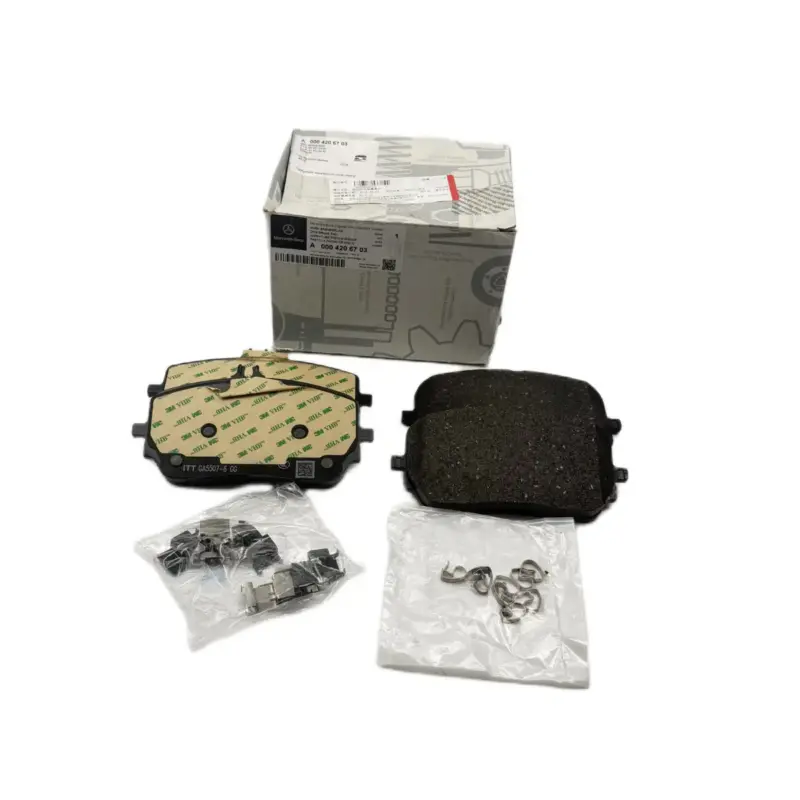
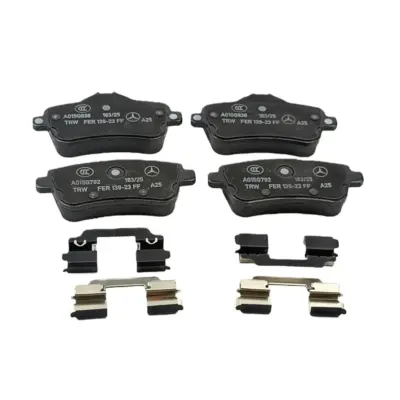
Choosing brake pads and rotors is a critical decision for wholesale buyers, as incorrect selection can lead to noise issues, uneven wear, or braking performance complaints. Many sourcing problems occur when pads and rotors are treated as independent parts rather than a matched braking system. This guide explains how you can evaluate brake pads and [...]
How we verify fitment (Before placing a bulk order)
1OE / VIN collection — confirm OE number, vehicle identification, model year, and target market specification.
2Cross-reference validation— verify OEM catalog data and aftermarket interchange to identify supersessions and compatible alternatives.
3Application & specification check— validate key application parameters and technical specifications relevant to the product category.
4Sample or photo confirmation — pre-shipment sample or photo confirmation to minimize fitment and return risks.
For distributors and professional buyers, brake components must meet vehicle-specific requirements and market expectations.
Understanding how pads and rotors interact helps you reduce fitment risk and improve long-term supply reliability.
What Role Do Brake Pads And Rotors Play In The Braking System?
Brake pads and rotors work together to convert vehicle kinetic energy into heat through controlled friction.
Their compatibility directly affects stopping distance, noise levels, and component lifespan.
Core system functions
- Brake pads generate friction against the rotor surface
- Rotors dissipate heat produced during braking
- System balance ensures stable and predictable braking performance
How Should You Choose Brake Pads Based On Application?
Brake pad selection should be based on vehicle weight, driving conditions, and brake system design.
Material choice has a direct impact on wear rate, dust generation, and noise behavior.
Common brake pad material types
- Ceramic compounds for low dust and reduced noise
- Semi-metallic pads for higher heat resistance
- Low-metallic formulations for balanced performance
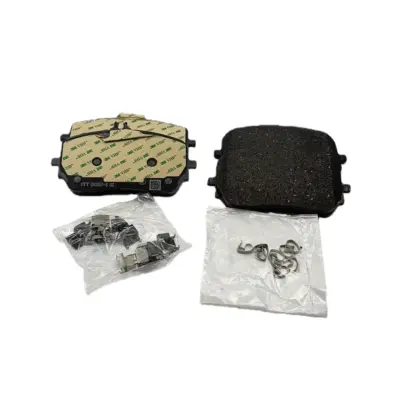
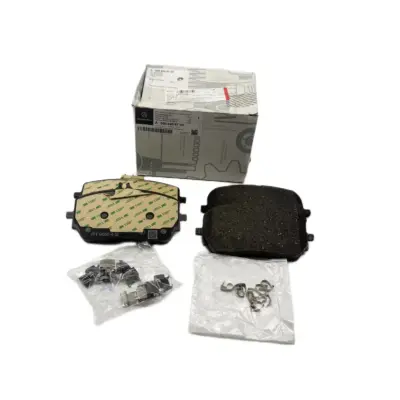
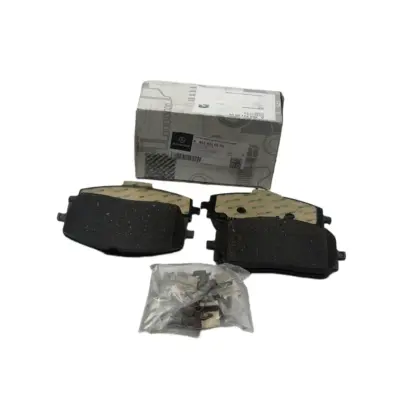
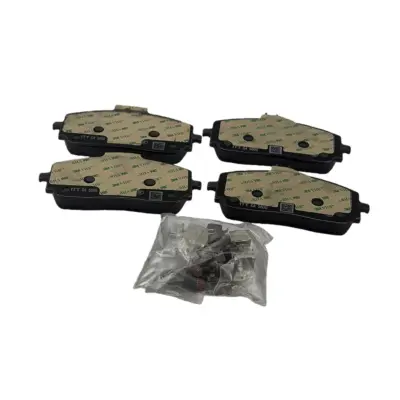
For bulk sourcing, you can explore available options in our brake pads wholesale category to review OEM and aftermarket pad types across different applications.
How Do You Select The Right Brake Rotors For Matching Pads?
Brake rotors must match pad specifications to ensure proper contact, heat dissipation, and wear patterns.
Rotor size, thickness, and surface finish all influence braking behavior.
Key rotor specifications to verify
- Rotor diameter and thickness based on axle position
- Ventilated or solid design depending on vehicle load
- Surface coating or finish for corrosion resistance
Why Is Matching Brake Pads And Rotors Important For Wholesale Supply?
Mismatched pads and rotors can cause accelerated wear or inconsistent braking feedback.
For wholesale buyers, these issues often result in returns or warranty claims.
System-level benefits of proper matching
- More consistent braking performance
- Reduced noise and vibration complaints
- Longer service life for both components
What Common Mistakes Should Buyers Avoid When Selecting Pads And Rotors?
Many sourcing issues arise from oversimplified selection criteria.
Avoiding these mistakes helps protect your distribution reputation.
Frequent wholesale-level errors
- Selecting pads based only on material without considering rotor design
- Ignoring axle-specific or brake system variations
- Mixing OEM-spec pads with incompatible rotor types
How We Verify Fitment Before Bulk Supply
Before confirming bulk orders for brake pads and rotors, we follow a structured verification process.
This approach helps reduce application errors and supports consistent supply quality.
- OE number or VIN confirmation to identify the correct brake system
- Cross-reference checks across OEM and aftermarket catalogs
- Application and specification validation for pads and rotors
- Sample or photo confirmation when required before shipment
For a deeper understanding of brake component selection logic, you may also refer to our brake pads buying guide for additional sourcing insights.
Brake Pads And Rotors Selection – FAQs
Should brake pads and rotors always be replaced together?
Not always, but replacing them together helps ensure optimal contact and braking performance.
This approach is often recommended for wholesale supply to reduce aftersales issues.
Can the same brake pads be used with different rotor types?
Only if the rotor specifications match the pad design.
Rotor thickness, surface finish, and ventilation must be compatible.
How does incorrect matching affect braking performance?
Incorrect matching can cause noise, uneven wear, or reduced braking efficiency.
These problems frequently lead to returns or customer complaints.
What information is needed for accurate bulk sourcing?
OE numbers, axle position, target quantities, and destination market details
help ensure correct selection and reliable supply planning.
Selecting brake pads and rotors as a matched system is essential for reliable wholesale supply.
By understanding material options, rotor specifications, and fitment verification processes,
you can reduce sourcing risk and support consistent braking performance across different markets.
Related guides

Before you source / Before you order
Confirm OE number or VIN to avoid fitment errors
Verify heat range and reach to prevent misfire or engine damage
Choose electrode material based on service interval and cost
Confirm packaging requirements for export shipping
Tip: send quantity, destination country, and packing requirement for faster quoting.
Fitment confirmation
Share the OE number, VIN, or engine details, and we’ll help confirm compatibility before ordering.
Request fitment check →
