Brake Pads Guides
How to Check If Brake Pads Need Replacing Before It’s Unsafe
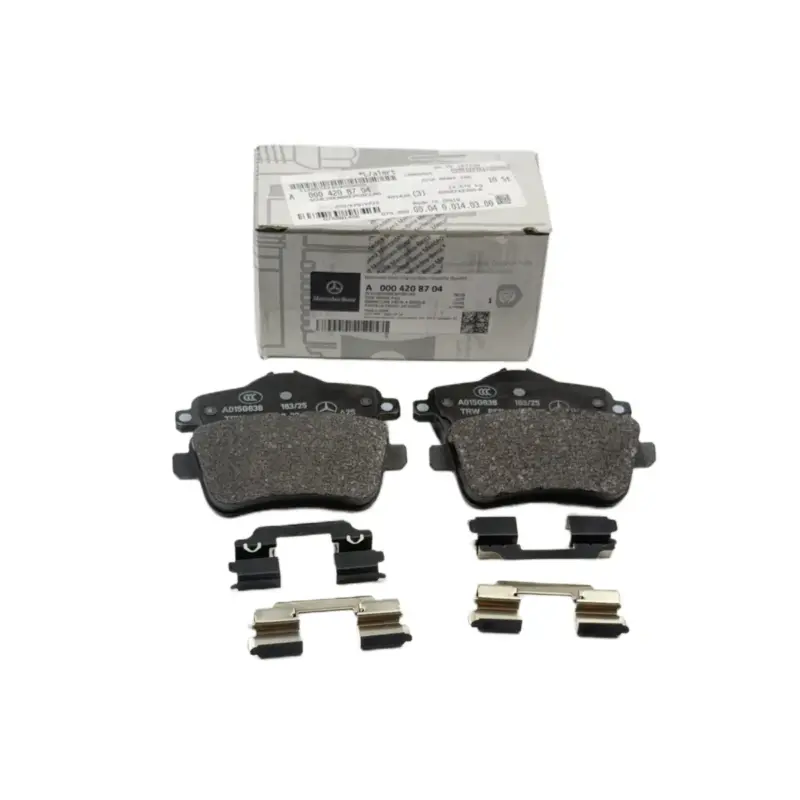
Brake pads should be checked before safety is compromised, not after warning lights or metal noise appear. For wholesale buyers and fleet operators, late detection often leads to rotor damage, downtime, and avoidable warranty claims. This guide explains how you can identify brake pad wear early and decide when replacement is necessary from a practical, [...]
How we verify fitment (Before placing a bulk order)
1OE / VIN collection — confirm OE number, vehicle identification, model year, and target market specification.
2Cross-reference validation— verify OEM catalog data and aftermarket interchange to identify supersessions and compatible alternatives.
3Application & specification check— validate key application parameters and technical specifications relevant to the product category.
4Sample or photo confirmation — pre-shipment sample or photo confirmation to minimize fitment and return risks.
Understanding these checks helps you reduce aftersales risk and support more accurate bulk replacement planning.
What Are The Earliest Signs That Brake Pads Are Wearing Out?
Brake pads usually show subtle warning signs long before they reach an unsafe condition.
Recognizing these early indicators allows you to schedule replacement without damaging other braking components.
Early warning indicators
- Reduced pad thickness observed during routine inspection
- Increased brake dust on wheels
- Longer stopping distance under normal braking
How Thin Is Too Thin For Brake Pads?
Brake pads become unsafe when friction material thickness approaches the minimum service limit.
Most OEMs define this limit clearly to prevent metal-to-metal contact.
Thickness guidelines you should follow
- New pads typically measure 10–12 mm of friction material
- Inspection is recommended when thickness drops below 4 mm
- Replacement is required when thickness reaches 2–3 mm
How Do Driving Conditions Affect Brake Pad Wear?
Brake pad wear rate depends heavily on vehicle usage and operating conditions.
Ignoring usage patterns often leads to premature failure or misjudged replacement intervals.
Usage factors that accelerate wear
- Urban stop-and-go driving
- Heavy vehicle load or towing
- Aggressive braking habits
What Happens If Brake Pads Are Not Replaced In Time?
Delayed replacement increases the risk of rotor damage and braking system imbalance.
For distributors and repair networks, this often results in higher repair costs and customer complaints.
Risks of late replacement
- Metal-to-metal contact damaging brake discs
- Reduced braking efficiency and stability
- Higher overall repair cost per axle
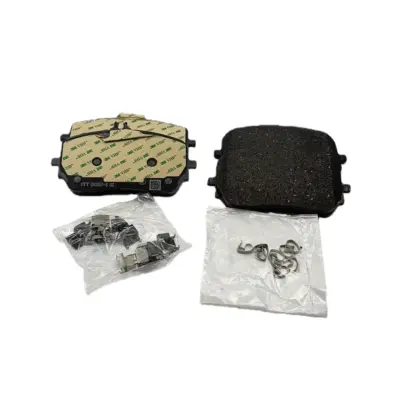
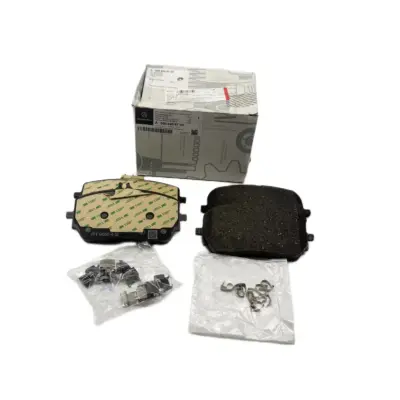
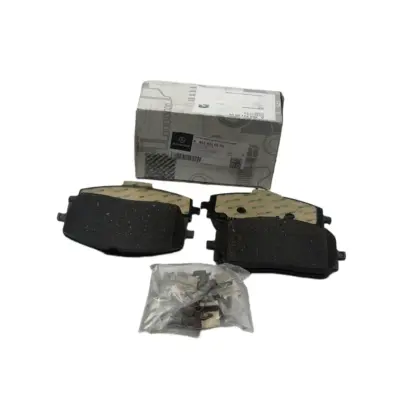
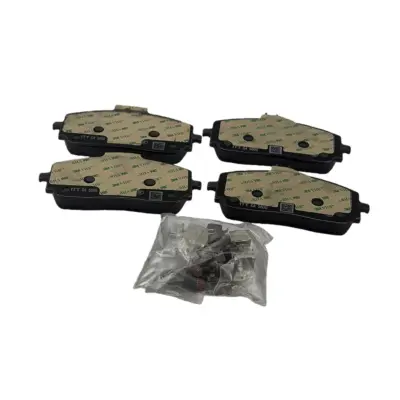
For bulk replacement planning and specification comparison, you can review available options in brake pads wholesale to align pad types with application requirements.
How We Verify Fitment Before Bulk Supply
Before confirming bulk brake pad orders, we follow a structured verification process to reduce application errors and safety risks.
- OE number or vehicle application confirmation
- Cross-reference checks across OEM and aftermarket catalogs
- Axle position and brake system validation
- Sample or image confirmation when required
For a complete overview of pad selection logic and replacement timing, the brake pads buying guide provides additional technical and procurement context.
If you need to identify wear patterns in more detail, you can also reference How to Check for Worn Brake Pads Before They Fail.
Brake Pad Safety Checks – FAQs
Is visual inspection enough to judge brake pad safety?
Visual inspection is a good first step, but thickness measurement and usage history should also be considered.
This ensures pads are replaced before safety margins are exceeded.
Can worn brake pads damage other brake components?
Yes. Excessive wear can damage brake discs and calipers, increasing total repair cost and downtime.
How often should brake pads be checked in commercial use?
Inspection intervals should be shorter for commercial or high-load vehicles.
Frequent checks help prevent unexpected failures.
What information helps plan bulk brake pad replacement?
OE numbers, axle position, vehicle usage, and target quantities help ensure accurate and timely sourcing.
Checking brake pads before they become unsafe protects braking performance and reduces sourcing risk.
By monitoring thickness, usage conditions, and replacement timing, you can support safer and more predictable bulk supply decisions.
Related guides

Before you source / Before you order
Confirm OE number or VIN to avoid fitment errors
Verify heat range and reach to prevent misfire or engine damage
Choose electrode material based on service interval and cost
Confirm packaging requirements for export shipping
Tip: send quantity, destination country, and packing requirement for faster quoting.
Fitment confirmation
Share the OE number, VIN, or engine details, and we’ll help confirm compatibility before ordering.
Request fitment check →
