
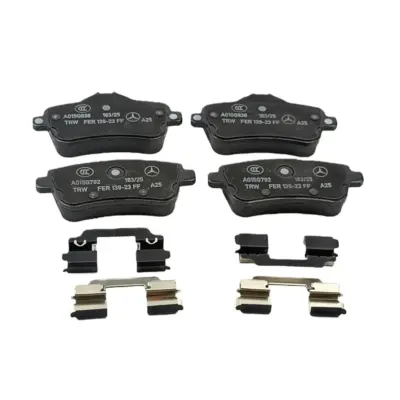
Brake Pads Guides
How to Check for Worn Brake Pads Before They Fail
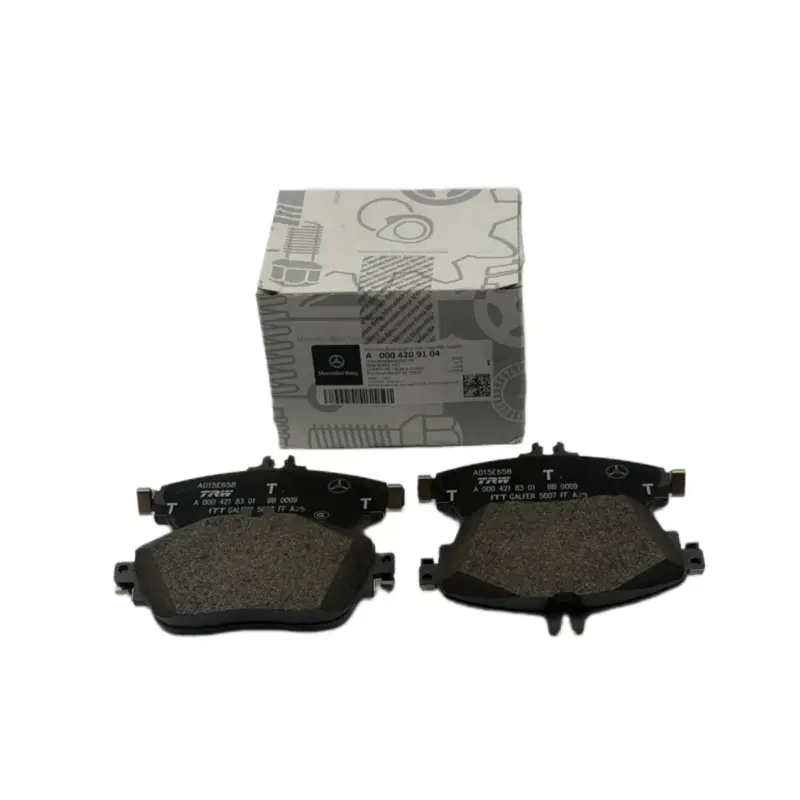
Brake pads rarely fail without warning, but those warnings are often overlooked. For wholesalers and service networks, understanding wear patterns helps prevent sudden failures and reduces emergency replacement scenarios. This guide explains how you can identify worn brake pads early by checking physical condition, performance symptoms, and wear consistency. Early detection also improves warranty analysis [...]
How we verify fitment (Before placing a bulk order)
1OE / VIN collection — confirm OE number, vehicle identification, model year, and target market specification.
2Cross-reference validation— verify OEM catalog data and aftermarket interchange to identify supersessions and compatible alternatives.
3Application & specification check— validate key application parameters and technical specifications relevant to the product category.
4Sample or photo confirmation — pre-shipment sample or photo confirmation to minimize fitment and return risks.
Early detection also improves warranty analysis by separating normal wear from wrong-application issues.
What Visual Signs Indicate Worn Brake Pads?
Visual inspection is the fastest way to identify brake pad wear.
Certain patterns clearly indicate pads are approaching the end of their service life.
Common visual wear indicators
- Thin friction material close to the backing plate
- Uneven wear between inner and outer pads
- Cracks or glazing on the pad surface
How Do Brake Pad Wear Indicators Work?
Many vehicles use mechanical or electronic wear indicators to signal pad wear.
These indicators are designed to alert drivers before braking performance degrades.
Types of wear indicators
- Mechanical squealers that produce noise under braking
- Electronic sensors triggering dashboard warnings
- Visual indicators integrated into the pad design
What Performance Symptoms Suggest Brake Pads Are Near Failure?
Performance changes often appear before complete pad failure.
These symptoms should be evaluated alongside physical inspection results.
Performance-related warning signs
- Squealing or grinding noises during braking
- Reduced braking response or pedal feel
- Vibration or pulsation under normal braking
Why Does Uneven Brake Pad Wear Matter?
Uneven wear often points to installation issues, caliper problems, or incorrect pad selection.
Ignoring these signs can lead to repeated failures even after replacement.
Common causes of uneven wear
- Sticking caliper pins or pistons
- Incorrect pad specification for the brake system
- Improper installation or bedding process
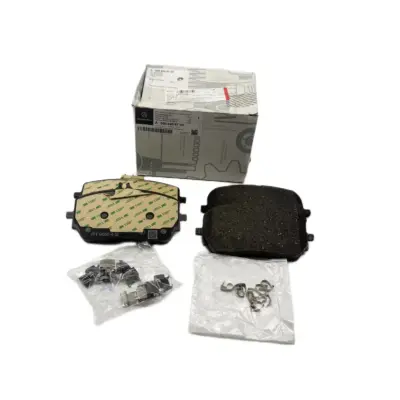
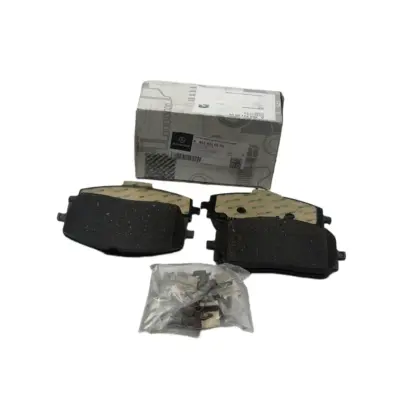
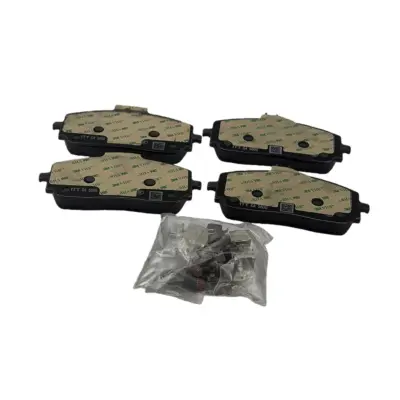
For buyers planning preventive replacement programs, you can compare specifications and applications in brake pads wholesale to ensure consistent quality across bulk orders.
How We Verify Fitment Before Bulk Supply
Before confirming bulk brake pad orders, we apply a verification workflow that reduces wear-related complaints and application mismatches.
- OE number and brake system identification
- Cross-reference validation across catalogs
- Axle position and pad design confirmation
- Sample or image checks for high-variation platforms
For broader context on replacement timing and selection criteria, the brake pads buying guide explains how to align wear patterns with sourcing decisions.
If your goal is to determine safety thresholds rather than wear patterns alone, refer to How to Check If Brake Pads Need Replacing Before It’s Unsafe.
Worn Brake Pad Inspection – FAQs
Can brake pads wear unevenly on the same axle?
Yes. Inner and outer pads often wear at different rates due to caliper movement.
Both pads should always be inspected together.
Do wear indicators always trigger before failure?
Not always. Indicators can fail or be ignored, so visual and performance checks are still important.
Is noise always a sign of worn brake pads?
Noise often indicates wear, but it can also be caused by pad material or rotor condition.
Inspection is required to confirm the cause.
What information helps prevent repeat brake pad failures?
OE numbers, wear pattern analysis, installation checks, and usage conditions
help identify the root cause and prevent repeat issues.
You can prevent brake pad failure by identifying wear patterns early and acting before safety is compromised.
When inspection criteria are standardized, bulk replacement becomes more predictable and reliable.
Related guides
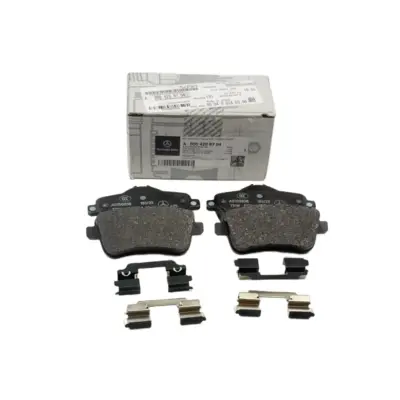
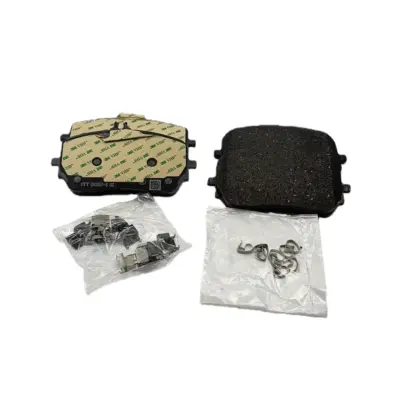

Before you source / Before you order
Confirm OE number or VIN to avoid fitment errors
Verify heat range and reach to prevent misfire or engine damage
Choose electrode material based on service interval and cost
Confirm packaging requirements for export shipping
Tip: send quantity, destination country, and packing requirement for faster quoting.
Fitment confirmation
Share the OE number, VIN, or engine details, and we’ll help confirm compatibility before ordering.
Request fitment check →
