Brake Pads Guides
Brake Pad Selection Based on Vehicle Weight and Load
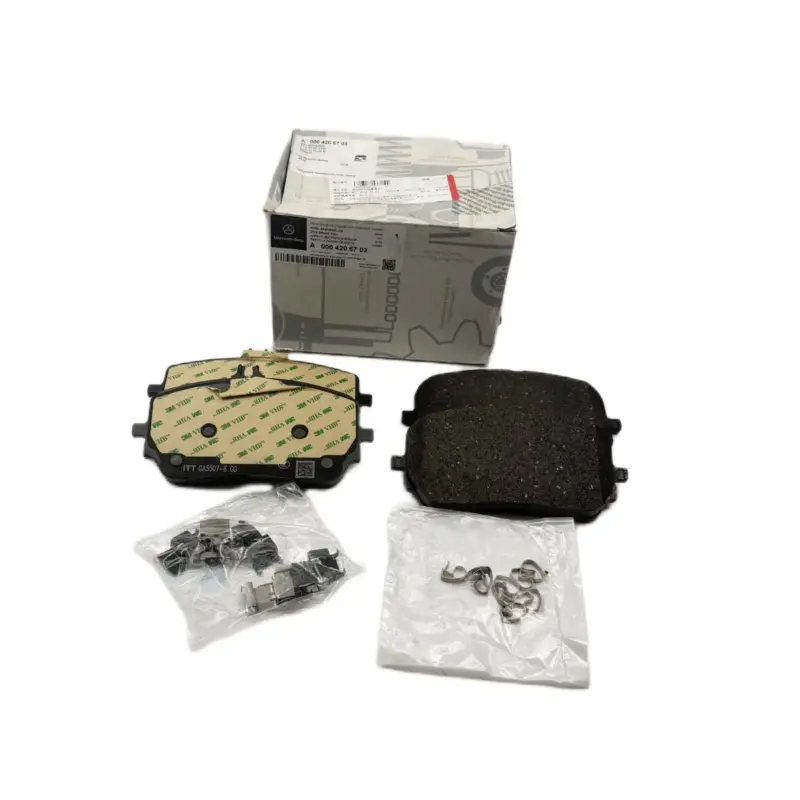
Vehicle weight directly influences braking energy. The greater the mass, the more kinetic energy must be converted into heat during deceleration. For wholesale buyers and distributors, selecting brake pads based on vehicle weight and load profile helps prevent premature wear, fade issues, and system imbalance.This guide explains how vehicle weight and load conditions affect brake pad selection and how procurement teams can incorporate load-based logic into bulk sourcing strategy.
How we verify fitment (Before placing a bulk order)
1OE / VIN collection — confirm OE number, vehicle identification, model year, and target market specification.
2Cross-reference validation— verify OEM catalog data and aftermarket interchange to identify supersessions and compatible alternatives.
3Application & specification check— validate key application parameters and technical specifications relevant to the product category.
4Sample or photo confirmation — pre-shipment sample or photo confirmation to minimize fitment and return risks.
Understanding Braking Energy and Mass
Heavier vehicles generate higher braking force requirements. Under full payload, thermal load increases significantly. This affects compound durability, rotor wear rate, and long-term braking stability.
Weight-related evaluation factors
- Gross vehicle weight rating
- Typical payload conditions
- Front-to-rear load distribution
- Frequency of loaded operation
When structuring weight-based procurement segmentation, buyers can review coverage across heavier vehicle segments in Brake Pads Wholesale.
Technical Module 1: Friction Stability Under High Load
Under higher mass and load conditions, pads must maintain friction stability at elevated temperatures. Compounds designed primarily for light passenger vehicles may overheat when applied to heavier SUVs or commercial vans.
- Fade resistance under sustained braking
- Rotor surface interaction under high pressure
- Durability across repeated heavy stops
Technical Module 2: Axle Load Distribution and Brake Balance
Load distribution affects braking force allocation between front and rear axles. Heavier front-end weight transfer increases thermal stress on front pads, requiring stronger fade resistance and consistent friction behavior.
| Load Scenario | Brake Impact | Procurement Adjustment |
|---|---|---|
| Light passenger vehicle | Moderate heat generation | Comfort-focused compound acceptable |
| Heavy SUV | Higher sustained heat | Heat-stable compound required |
| Loaded commercial van | Repeated high-pressure braking | Durability and fade resistance prioritized |
For standardized selection workflows across weight categories, consult the Brake Pads Buying Guide.
How We Verify Fitment Before Bulk Supply
- OE number validation and platform identification
- Vehicle weight class confirmation
- Brake system architecture review
- Rotor compatibility and axle position verification
- Sample or image confirmation before shipment
For broader fleet-oriented procurement strategy, continue with Brake Pad Selection for Fleet and Commercial Applications to integrate load analysis with duty-cycle evaluation.
Brake Pad Selection Based on Vehicle Weight and Load – FAQs
Why do heavier vehicles require different brake pad compounds?
Higher mass generates more braking heat and pressure, requiring compounds that maintain stable friction under thermal stress.
Is vehicle weight more important than vehicle type?
Both matter. Weight influences heat load, while vehicle type affects driving pattern and duty cycle.
What details should buyers provide for accurate weight-based sourcing?
OE numbers, weight class, payload conditions, brake package specifications, and intended usage profile help ensure correct selection.
Selecting brake pads based on vehicle weight and load ensures improved thermal control, longer service life, and consistent braking stability. When combined with brake system verification, weight-based selection strengthens bulk supply reliability and reduces aftersales risk.
Related guides

Before you source / Before you order
Confirm OE number or VIN to avoid fitment errors
Verify heat range and reach to prevent misfire or engine damage
Choose electrode material based on service interval and cost
Confirm packaging requirements for export shipping
Tip: send quantity, destination country, and packing requirement for faster quoting.
Fitment confirmation
Share the OE number, VIN, or engine details, and we’ll help confirm compatibility before ordering.
Request fitment check →
