
Brake Pads Guides
Brake Pad Selection for Passenger Car Applications
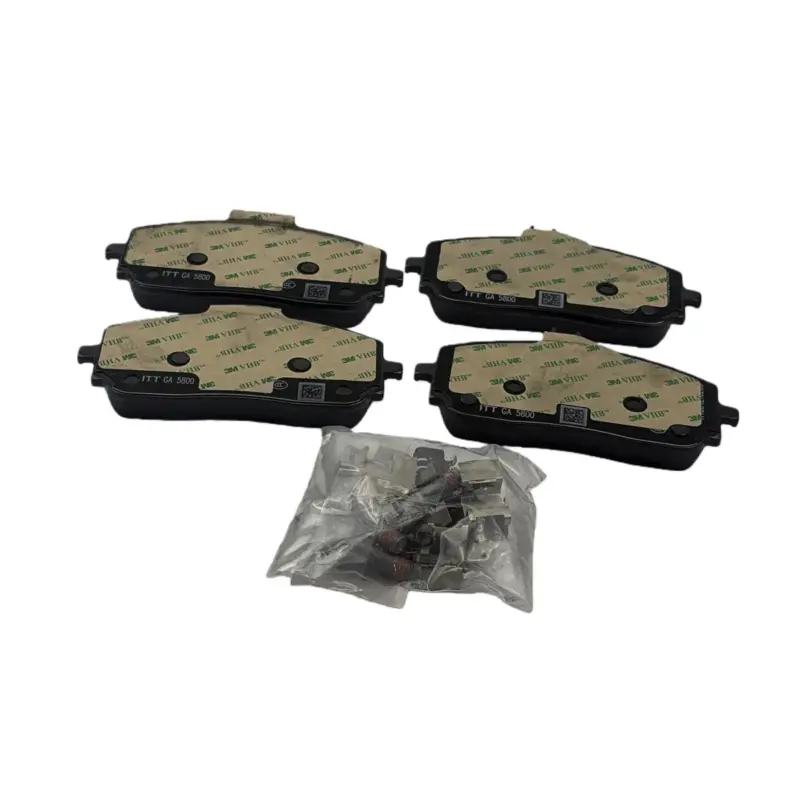
Passenger car brake pads are selected under a different set of priorities compared to commercial or fleet segments. Quiet braking, consistent pedal feel, and predictable daily performance typically matter more than maximum heat capacity. For OEM and aftermarket distributors, the challenge is to choose compounds that minimize noise and dust while maintaining stable friction and acceptable rotor wear.This guide explains how to evaluate brake pads for passenger car applications, focusing on practical selection criteria that reduce aftersales issues in wholesale supply.
How we verify fitment (Before placing a bulk order)
1OE / VIN collection — confirm OE number, vehicle identification, model year, and target market specification.
2Cross-reference validation— verify OEM catalog data and aftermarket interchange to identify supersessions and compatible alternatives.
3Application & specification check— validate key application parameters and technical specifications relevant to the product category.
4Sample or photo confirmation — pre-shipment sample or photo confirmation to minimize fitment and return risks.
Passenger Car Priorities: Noise Control, Feel, And Daily Reliability
Most passenger car complaints are not “stopping power” failures. They are noise, vibration, dust, or inconsistent pedal feel. These issues often come from compound mismatch, hardware mismatch, or bedding-in behavior that does not align with the rotor surface.
Key evaluation goals
- Low noise behavior in light braking and low speed
- Stable friction in daily temperature range
- Controlled dust output based on market tolerance
- Balanced rotor wear to avoid premature disc replacement
To review application coverage and typical passenger-car pad families, buyers can browse Brake Pads Wholesale for OEM and aftermarket options.
Technical Module 1: Noise Mechanisms And How Pad Design Reduces Squeal
Brake noise is typically a vibration problem. Compound friction behavior, shim design, and pad edge geometry all influence whether vibration turns into audible squeal.
What to check in pad design
- Shim structure and attachment quality
- Chamfer and slot design optimized for passenger vehicles
- Consistent backing plate stiffness to reduce resonance
Wholesale buyers should avoid selecting pads solely by “ceramic” labeling. Ceramic can reduce dust and noise in many cases, but design execution and compatibility with rotor surface are still critical.
Technical Module 2: Bedding-In Behavior And Rotor Surface Compatibility
Passenger car pads are sensitive to bedding-in. If the friction layer does not transfer evenly to the rotor, drivers experience judder, noise, or inconsistent bite. Rotor coating and surface finish can change the bedding profile.
| Rotor Surface Condition | Risk | Procurement Control Point |
|---|---|---|
| New coated rotor | Uneven transfer layer during early bedding | Match pad compound to rotor coating and break-in guidance |
| Worn rotor with lip | Noise, vibration, reduced contact area | Confirm thickness and surface condition expectations |
| High-polish rotor | Glazing risk under light braking | Choose compound with stable bite at low temperature |
For a standardized procurement checklist covering bedding and selection factors, reference the Brake Pads Buying Guide.
How We Verify Fitment Before Bulk Supply
- OE number confirmation and axle position validation
- Brake package and caliper architecture identification
- Hardware and sensor compatibility checks
- Specification review for thickness and rotor matching
- Sample or photo confirmation when required before shipment
If you are also building SKUs for heavier segments, continue with Brake Pad Selection Guide for Commercial Vehicle Fleets to compare passenger-car priorities with high-load duty cycle requirements.
Brake Pad Selection for Passenger Car Applications – FAQs
What causes most passenger car brake pad complaints after replacement?
Noise and vibration complaints are most common, often caused by hardware mismatch, uneven bedding-in, or compound-rotor surface incompatibility.
Are ceramic pads always the best choice for passenger cars?
Not always. Ceramic can help reduce noise and dust, but correct fitment, shim design, and rotor compatibility still determine real-world results.
What should a buyer confirm to reduce returns in wholesale supply?
OE reference, axle position, brake package option, hardware fit, and bedding behavior expectations are key to reducing returns.
Passenger car brake pads should be selected for quiet operation, stable daily friction, and consistent bedding behavior. With systematic verification and correct compatibility checks, wholesalers can reduce noise complaints and improve aftermarket satisfaction.
Related guides

Before you source / Before you order
Confirm OE number or VIN to avoid fitment errors
Verify heat range and reach to prevent misfire or engine damage
Choose electrode material based on service interval and cost
Confirm packaging requirements for export shipping
Tip: send quantity, destination country, and packing requirement for faster quoting.
Fitment confirmation
Share the OE number, VIN, or engine details, and we’ll help confirm compatibility before ordering.
Request fitment check →
