
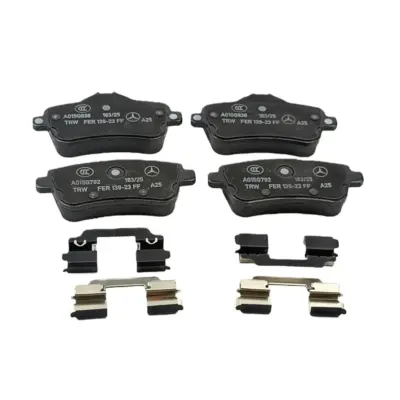
Brake Pads Guides
Brake Pad Selection for Fleet and Commercial Applications
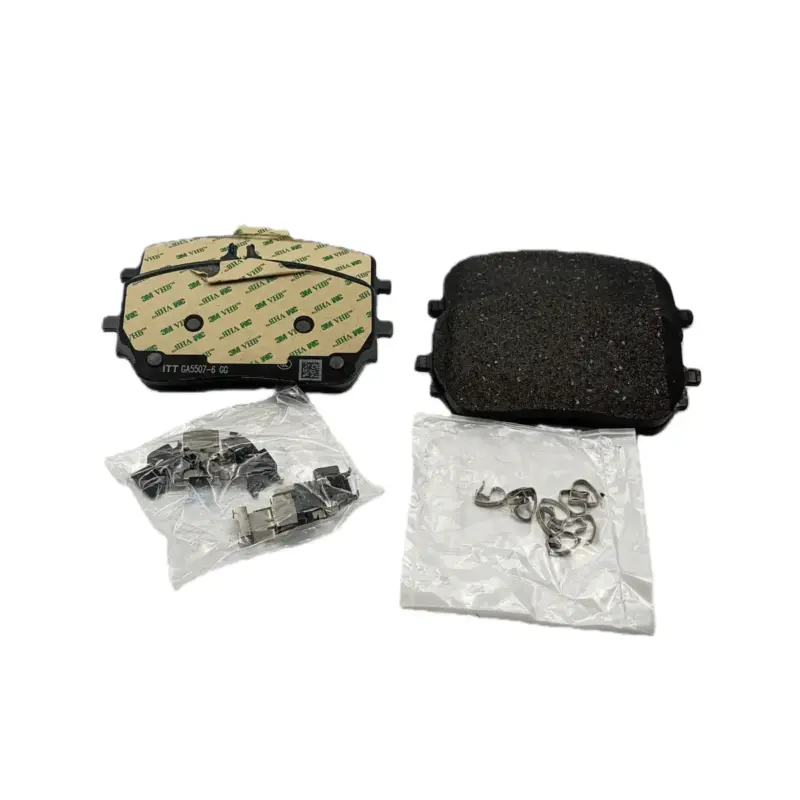
Fleet and commercial vehicles operate under higher braking stress than private passenger cars. Delivery vans, service vehicles, and light commercial trucks frequently carry load, perform repeated stop cycles, and operate for extended hours. For wholesale buyers and procurement teams, selecting brake pads for fleet and commercial applications requires a durability-focused and risk-controlled strategy rather than a comfort-oriented approach.This guide explains how to evaluate brake pads for fleet and commercial vehicle environments, combining technical verification with total cost management and long-term supply stability.
How we verify fitment (Before placing a bulk order)
1OE / VIN collection — confirm OE number, vehicle identification, model year, and target market specification.
2Cross-reference validation— verify OEM catalog data and aftermarket interchange to identify supersessions and compatible alternatives.
3Application & specification check— validate key application parameters and technical specifications relevant to the product category.
4Sample or photo confirmation — pre-shipment sample or photo confirmation to minimize fitment and return risks.
Fleet Duty Cycles and Braking Demands
Fleet vehicles typically experience repeated braking events with elevated thermal load. Compared to private vehicles, commercial units often brake under partial or full payload conditions. This increases friction temperature, accelerates wear, and places additional stress on both pad and rotor surfaces.
Operational factors affecting pad selection
- Frequent stop-and-go driving
- Higher average vehicle weight
- Extended daily operating hours
- Predictable maintenance scheduling requirements
When structuring procurement across fleet platforms, buyers can review application grouping and OE coverage in Brake Pads Wholesale to align compound selection with commercial usage patterns.
Technical Module 1: Thermal Stability and Fade Resistance
Sustained heat exposure is one of the primary risks in fleet braking systems. If pad compound cannot maintain friction stability at elevated temperatures, brake fade may occur. Fade reduces braking consistency and increases stopping distance, which creates safety and liability exposure for fleet operators.
Heat-related evaluation criteria
- Compound resistance to thermal degradation
- Stable friction curve across operating temperature range
- Rotor compatibility to prevent hotspot formation
- Resistance to glazing under repeated braking cycles
For fleet supply, friction consistency under load is more important than maximum friction coefficient. Stability across repeated cycles reduces complaint risk.
Technical Module 2: Wear Predictability and Total Cost Control
Fleet procurement decisions are strongly tied to maintenance scheduling. Pads that wear unpredictably disrupt service planning and increase downtime. A balanced wear pattern and consistent service interval are critical to controlling total operating cost.
| Fleet Concern | Operational Impact | Selection Focus |
|---|---|---|
| Rapid wear | Frequent replacement and downtime | Durability-focused compound |
| Uneven pad wear | Reduced braking stability | Correct caliper compatibility |
| Rotor damage | Higher total system cost | Balanced friction behavior |
Structured evaluation logic for durability-based procurement is also outlined in the Brake Pads Buying Guide, which supports bulk purchasing decisions.
Brake System Compatibility in Commercial Platforms
Commercial vehicles may use different brake packages within the same model range. Bulk buyers must verify caliper type, rotor size, and axle configuration before consolidating orders.
- OE number cross-reference validation
- Axle-specific pad confirmation
- Rotor thickness and ventilation alignment
- Hardware and wear sensor compatibility
How We Verify Fitment Before Bulk Supply
- OE number and application validation
- Brake system architecture confirmation
- Rotor compatibility and thickness review
- Duty cycle alignment based on fleet profile
- Sample or image confirmation when required
For weight-focused brake strategy comparison, continue with Brake Pad Selection Based on Vehicle Weight and Load to integrate load analysis into procurement planning.
Brake Pad Selection for Fleet and Commercial Applications – FAQs
Why do fleet vehicles experience faster brake pad wear?
Frequent stop cycles, heavier loads, and extended daily operation increase heat generation and mechanical stress on braking components.
Should fleet brake pads prioritize durability over noise?
Yes. For commercial vehicles, predictable wear and thermal stability are generally more important than low-noise optimization.
What information should buyers confirm before bulk fleet orders?
OE numbers, brake package options, axle position, rotor specifications, and vehicle duty cycle should all be verified.
Fleet and commercial brake pad selection must focus on heat stability, durability, and predictable service life. A compatibility-first procurement process reduces aftersales risk and supports stable bulk supply operations.
Related guides
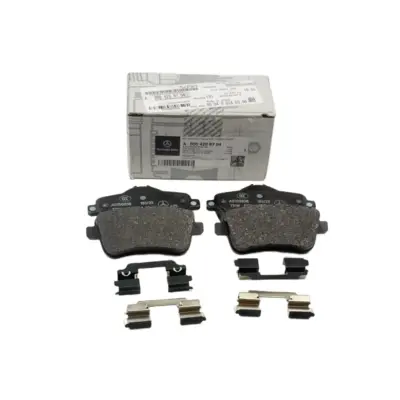
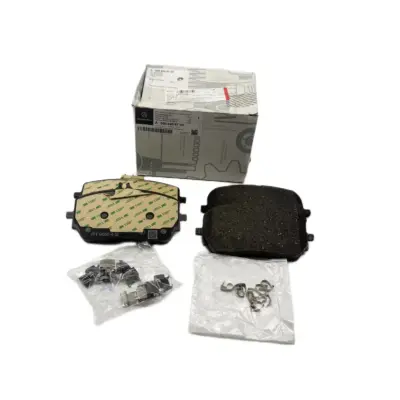

Before you source / Before you order
Confirm OE number or VIN to avoid fitment errors
Verify heat range and reach to prevent misfire or engine damage
Choose electrode material based on service interval and cost
Confirm packaging requirements for export shipping
Tip: send quantity, destination country, and packing requirement for faster quoting.
Fitment confirmation
Share the OE number, VIN, or engine details, and we’ll help confirm compatibility before ordering.
Request fitment check →
