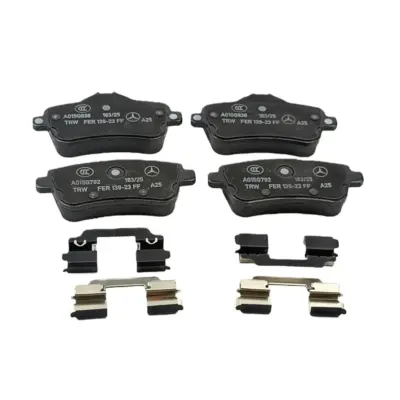
Brake Pads Guides
Brake Pad Selection by Vehicle Type for Wholesale Applications
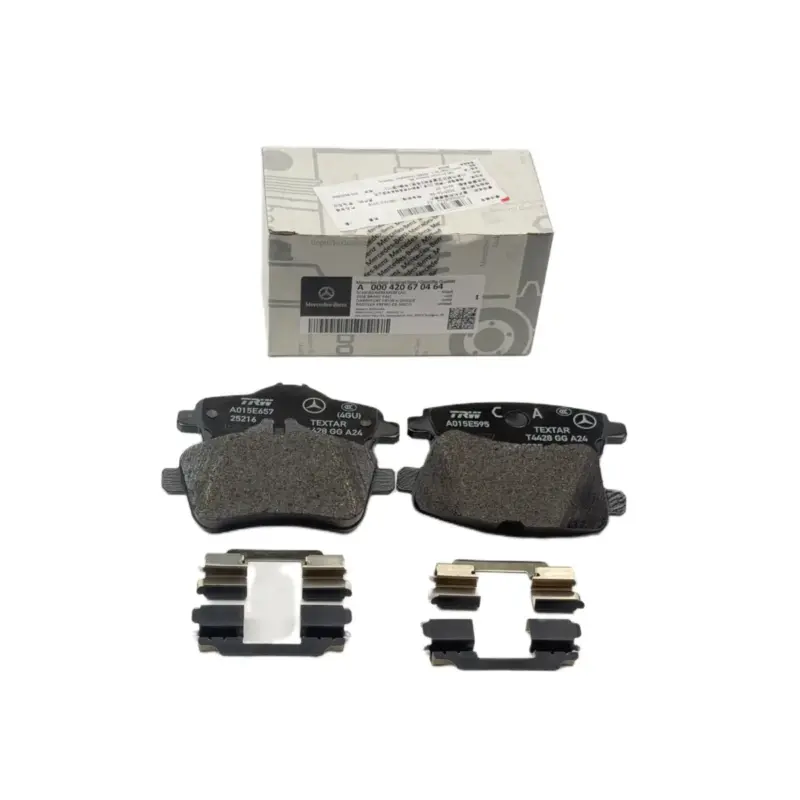
Vehicle type is one of the most practical ways to segment brake pad sourcing for wholesale distribution. Passenger cars, SUVs, light commercial vehicles, and fleet platforms operate under different braking loads, temperature cycles, and customer expectations. If a procurement team uses a single compound strategy across all vehicle categories, the result is often higher noise complaints, inconsistent wear, and increased returns.This guide explains how to select brake pads by vehicle type for wholesale applications, combining technical evaluation with procurement logic.
How we verify fitment (Before placing a bulk order)
1OE / VIN collection — confirm OE number, vehicle identification, model year, and target market specification.
2Cross-reference validation— verify OEM catalog data and aftermarket interchange to identify supersessions and compatible alternatives.
3Application & specification check— validate key application parameters and technical specifications relevant to the product category.
4Sample or photo confirmation — pre-shipment sample or photo confirmation to minimize fitment and return risks.
Why Vehicle Type Matters For Brake Pad Selection
Vehicle type is a proxy for braking demand. Weight, duty cycle, and typical driving environment affect pad temperature, wear rate, and rotor interaction. For wholesale buyers, segmenting pads by vehicle category improves SKU relevance and reduces application mismatch.
Common wholesale vehicle groups
- Passenger cars: comfort, low noise, predictable feel
- SUVs and crossovers: higher weight, more heat load
- Light commercial vehicles: durability, stable friction under load
- Fleet platforms: repeat braking cycles, uptime priority
If you are organizing inventory by platform type, you can map coverage and OE families through Brake Pads Wholesale to keep purchasing aligned with real demand distribution.
Technical Module 1: Load, Heat, And Fade Resistance By Vehicle Segment
The main technical difference across vehicle categories is thermal stress. Heavier vehicles generate higher heat during repeated stops. Pads for higher-load segments must maintain friction stability and resist fade.
| Vehicle Type | Typical Braking Load | Primary Pad Requirement |
|---|---|---|
| Passenger car | Moderate | Low noise, stable daily friction |
| SUV / crossover | High | Heat stability, balanced wear |
| Light commercial | High and frequent | Durability, consistent friction under load |
| Fleet | Cycle-based | Long service life, predictable performance |
In wholesale supply, it is often safer to match compounds by expected heat cycle rather than by “premium vs economy” labeling.
Technical Module 2: Noise, Dust, And Customer Expectation Differences
Noise complaints and brake dust are strongly linked to vehicle category and customer expectation. Passenger car buyers often prioritize quiet braking, while commercial vehicle operators prioritize durability and uptime. A compound optimized for low noise may not be the best choice for high-load delivery fleets.
Evaluation points for distributors
- Noise control strategy: shim design, chamfering, slot configuration
- Dust behavior: market tolerance and wheel design sensitivity
- Rotor wear balance: pad compound vs rotor metallurgy
A structured decision workflow is outlined in the Brake Pads Buying Guide, which procurement teams can use to standardize compound selection across mixed vehicle categories.
Fitment Risk In Vehicle-Based Procurement
Vehicle-based selection does not replace brake system verification. Two vehicles in the same category can use different caliper architectures and rotor specifications. Wholesale buyers should treat vehicle type as a segmentation layer, then validate brake system compatibility before order confirmation.
Common risk scenarios
- Same model year with multiple brake package options
- Front and rear systems requiring different pad families
- Trim-level changes that alter rotor size and caliper bracket geometry
How We Verify Fitment Before Bulk Supply
- Vehicle type confirmation and intended duty cycle review
- OE number cross-reference and axle position validation
- Brake system architecture check (caliper/rotor configuration)
- Specification validation and hardware/sensor confirmation
- Sample or photo confirmation when required before shipment
For system-first compatibility evaluation, continue with Brake Pad Selection for Brake System Compatibility to reduce noise risk and application mismatches across mixed inventory.
Brake Pad Selection by Vehicle Type – FAQs
Is vehicle type enough to select brake pads for wholesale supply?
No. Vehicle type helps segment demand, but caliper type, rotor size, and axle position must still be verified to avoid fitment errors.
Which vehicle type creates the highest heat stress on brake pads?
Heavier SUVs, light commercial vehicles, and load-carrying fleets typically generate higher heat and require stronger fade resistance.
Why do passenger car pads often cause complaints when used on commercial vehicles?
Passenger car compounds may prioritize low noise and comfort, which can reduce durability under high-load, frequent-stop commercial duty cycles.
What information should buyers provide for accurate bulk sourcing?
OE numbers, vehicle type, axle position, brake package details, and destination market expectations help confirm correct selection.
Vehicle-type segmentation improves wholesale brake pad strategy by aligning compound behavior with real-world duty cycles. When combined with brake system verification, it reduces returns, improves customer satisfaction, and supports stable bulk procurement decisions.
Related guides

Before you source / Before you order
Confirm OE number or VIN to avoid fitment errors
Verify heat range and reach to prevent misfire or engine damage
Choose electrode material based on service interval and cost
Confirm packaging requirements for export shipping
Tip: send quantity, destination country, and packing requirement for faster quoting.
Fitment confirmation
Share the OE number, VIN, or engine details, and we’ll help confirm compatibility before ordering.
Request fitment check →
