Brake Pads Guides
Brake Pad Selection for Brake System Compatibility
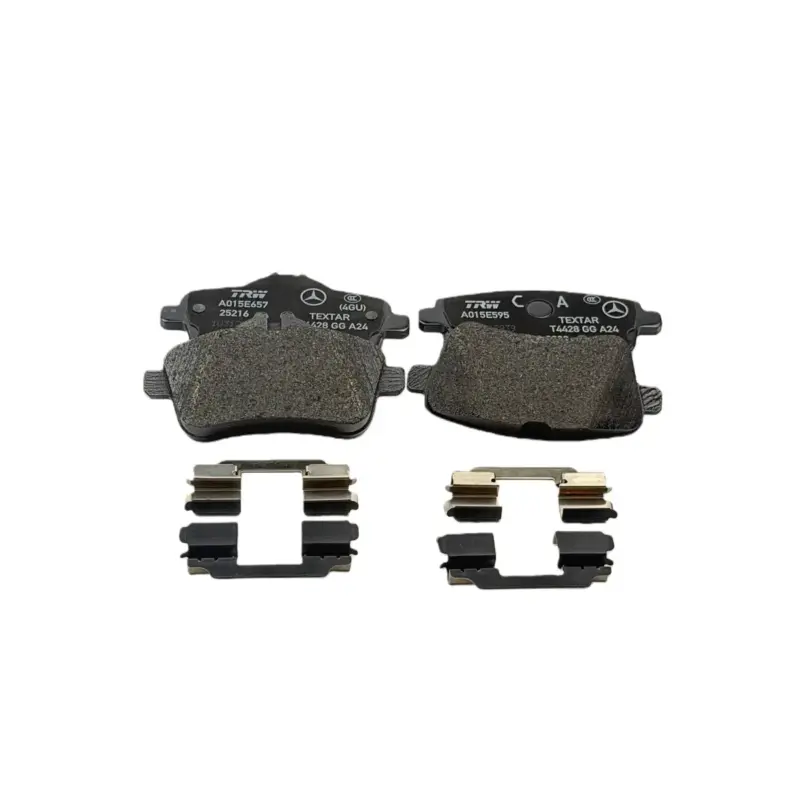
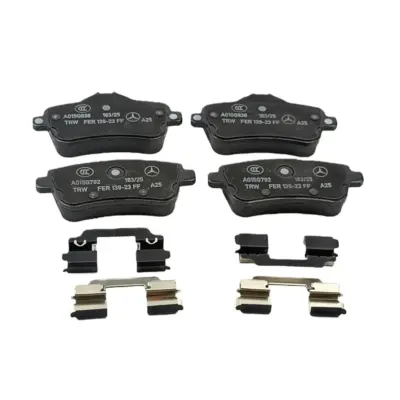
Brake pad selection is not only a material decision. For OEM and aftermarket supply, the most common failure point is brake system incompatibility: the pad shape may fit, but the caliper, rotor, piston travel, or wear-sensor setup does not match the platform requirements. For distributors and B2B procurement teams, compatibility-driven selection is the fastest way to reduce returns and noise complaints while protecting long-term supply reliability.This guide explains how to evaluate brake pads based on brake system compatibility, with practical checkpoints that help wholesalers verify fitment before bulk procurement.
How we verify fitment (Before placing a bulk order)
1OE / VIN collection — confirm OE number, vehicle identification, model year, and target market specification.
2Cross-reference validation— verify OEM catalog data and aftermarket interchange to identify supersessions and compatible alternatives.
3Application & specification check— validate key application parameters and technical specifications relevant to the product category.
4Sample or photo confirmation — pre-shipment sample or photo confirmation to minimize fitment and return risks.
Start With The Brake System, Not The Pad Material
Many sourcing teams start by choosing ceramic or semi-metallic pads. In practice, brake system architecture should come first. Caliper type, rotor type, and hydraulic behavior determine whether a pad can operate safely and consistently under real-world braking loads.
Compatibility-first checklist
- Caliper type: floating (sliding) or fixed multi-piston
- Rotor design: solid or ventilated, coated or uncoated
- Axle position: front vs rear system differences
- Wear sensor and hardware: clips, shims, sensor routing
If you are building a procurement list across multiple vehicle platforms, you can cross-check available shapes and OE coverage in our brake pads wholesale category to align SKUs with brake system families.
Technical Module 1: Caliper Geometry, Pad Backing Plate, And Retention Hardware
Caliper compatibility is primarily mechanical. Even when friction material is correct, a backing plate with small dimensional differences can cause binding, taper wear, or abnormal noise. For bulk supply, the “pad shape” must include hardware fit and sliding surface behavior.
What to verify
- Backing plate outline and ear geometry match the caliper bracket
- Sliding surfaces are consistent with caliper guide paths
- Pad thickness aligns with caliper piston travel limits
- Hardware kit (clips/shims) matches the brake system version
A frequent wholesale issue is mixing hardware variants within the same platform generation. The pad may install, but noise and vibration increase after a short break-in period. This is why system identification matters more than visual similarity.
Common symptoms of caliper mismatch
- Dragging brakes after installation
- Uneven pad wear (inner vs outer)
- High-frequency squeal under light braking
- Overheating signs on rotor surface
Rotor Compatibility: Thickness, Surface, And Heat Management
Rotors are not passive components. Rotor thickness, ventilation, and surface treatment affect friction stability and thermal behavior. A pad compound that performs well on one rotor type may create noise, glazing, or fast rotor wear on another.
Rotor-related checkpoints
- Minimum thickness and wear limit compatibility with the pad thickness range
- Ventilated vs solid rotor selection aligned with vehicle load
- Surface coating and bedding-in requirements aligned with pad compound
For procurement teams aligning rotor and pad sourcing, it helps to standardize how you evaluate disc brake specs. The Brake Pads Buying Guide provides a structured buying checklist that supports rotor-pad matching decisions.
Technical Module 2: Hydraulic Pressure, Friction Curve, And Real-World Braking Feel
Brake system compatibility also includes hydraulic behavior. Different caliper piston areas and master cylinder tuning change the pressure applied to pads. Some compounds are more “pressure sensitive,” which can produce inconsistent braking feel across platforms even if fitment is correct.
What procurement teams should evaluate
| Brake System Factor | Why It Matters | What To Check In Supply |
|---|---|---|
| Piston area / clamping force | Changes contact pressure and heat generation | Compound stability under expected pressure range |
| ABS/ESC intervention pattern | Creates rapid pressure cycling | Friction consistency under pulsed braking |
| Vehicle weight distribution | Affects front/rear load transfer | Axle-specific pad selection and wear balance |
For bulk procurement, the goal is not “highest friction,” but stable friction behavior across temperature and pressure conditions for the target market and vehicle segment.
How We Verify Fitment Before Bulk Supply
- OE number confirmation and brake system identification
- Cross-reference checks across OEM and aftermarket catalogs
- Caliper geometry and axle position validation
- Rotor specification and thickness range verification
- Sample or photo confirmation when required before shipment
If your team is also selecting pads based on platform segment strategy, you can compare system-based selection with vehicle grouping in Brake Pads Wholesale to keep inventory aligned with real fitment families.
Related Guide For Wholesale Selection Strategy
When you need a vehicle-segment approach for SKU planning and procurement, continue with Brake Pad Selection by Vehicle Type for Wholesale Applications to combine platform grouping with brake system compatibility rules.
Brake Pad Selection for Brake System Compatibility – FAQs
What is the most common brake pad compatibility mistake in wholesale supply?
Mixing pad shapes or hardware variants across similar-looking calipers is the most common issue, often leading to noise, dragging, or uneven wear after installation.
Can the same pad compound work across different caliper systems if the pad shape matches?
Not always. Pressure behavior, heat management, and rotor surface differences can change braking feel and wear patterns even when the pad shape fits.
What should buyers confirm besides OE numbers?
Confirm caliper type, axle position, rotor thickness range, and sensor/hardware compatibility to reduce returns and warranty exposure.
Does rotor coating affect pad selection?
Yes. Coating and surface finish influence bedding-in behavior and noise risk, so pad selection should consider rotor surface treatment.
Brake pads must be selected as part of a brake system, not as isolated parts. By verifying caliper geometry, rotor compatibility, and hydraulic behavior, wholesalers can reduce fitment errors, limit aftersales issues, and build a more stable bulk supply strategy.
Related guides

Before you source / Before you order
Confirm OE number or VIN to avoid fitment errors
Verify heat range and reach to prevent misfire or engine damage
Choose electrode material based on service interval and cost
Confirm packaging requirements for export shipping
Tip: send quantity, destination country, and packing requirement for faster quoting.
Fitment confirmation
Share the OE number, VIN, or engine details, and we’ll help confirm compatibility before ordering.
Request fitment check →
