Brake Pads Guides
Brake Pad Selection Guide for Aftermarket Supply Chains
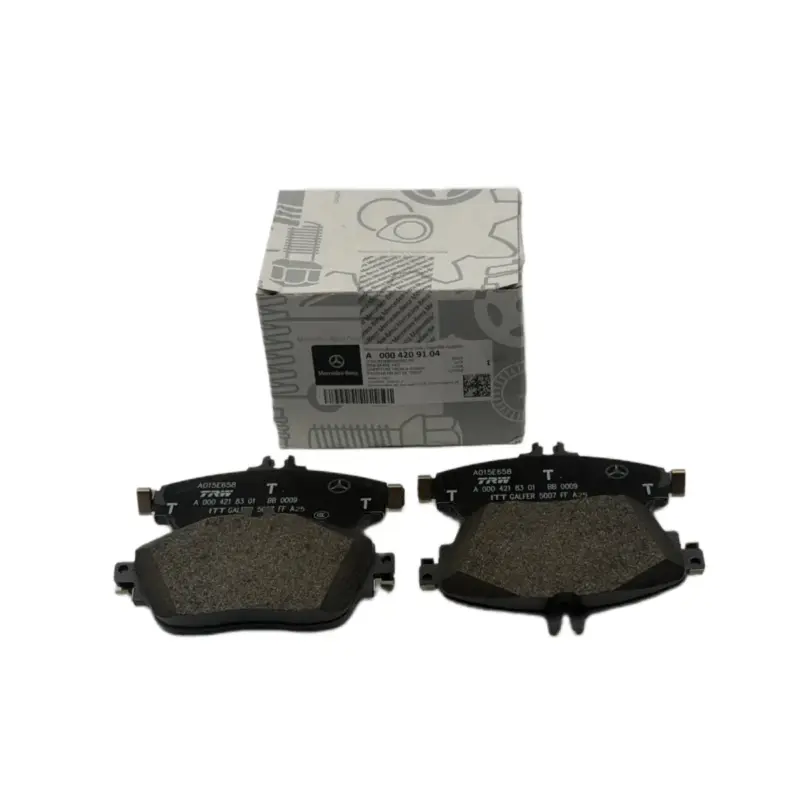
Aftermarket supply chains operate under different structural pressures than OEM-linked channels.
Brake pad selection in this environment must balance vehicle coverage, friction stability, logistics efficiency, and return-risk control.
For wholesalers and distributors, a structured evaluation framework is necessary to maintain margin stability while supporting broad platform compatibility.
How we verify fitment (Before placing a bulk order)
1OE / VIN collection — confirm OE number, vehicle identification, model year, and target market specification.
2Cross-reference validation— verify OEM catalog data and aftermarket interchange to identify supersessions and compatible alternatives.
3Application & specification check— validate key application parameters and technical specifications relevant to the product category.
4Sample or photo confirmation — pre-shipment sample or photo confirmation to minimize fitment and return risks.
Structural Characteristics of Aftermarket Distribution
Aftermarket supply chains serve independent workshops, regional parts networks, fleet service operators, and cross-border resellers.
These markets demand flexibility rather than strict OE duplication.
Aftermarket-specific pressures
- Wide vehicle platform diversity
- Mixed installation standards
- Price sensitivity across tiered markets
- Higher exposure to user-driven noise complaints
Technical Module 1: Friction Coefficient Stability Across Temperature Ranges
One of the most overlooked technical risks in aftermarket brake pad selection is friction coefficient fluctuation.
Inconsistent μ-values across low and high temperatures can create unstable pedal feel.
Evaluation indicators
- Cold-start friction response
- Fade resistance under repeated braking
- Recovery behavior after heat cycling
Distributors serving mountainous or high-temperature regions must ensure friction stability is validated under extended thermal stress.
Failure to do so increases uneven wear and warranty exposure.
Material Strategy for Mixed Market Conditions
Material selection determines dust output, rotor wear, and noise behavior.
Semi-metallic compounds often provide durability, while ceramic blends favor low-noise urban applications.
When comparing platform coverage and material segmentation, reviewing structured application grouping through brake pads wholesale helps distributors align compound selection with vehicle clusters.
Technical Module 2: Rotor Compatibility and Surface Interaction
Brake pad performance cannot be evaluated independently from rotor condition.
Aftermarket supply chains often encounter reused or partially worn rotors, which alters bedding behavior.
Key rotor interaction factors
- Surface roughness and glazing levels
- Ventilated vs solid rotor thermal behavior
- Rotor thickness variation (DTV)
Pads optimized only for new rotors may generate noise when paired with uneven surfaces.
Distributors should evaluate compatibility under real-world installation conditions.
SKU Rationalization and Inventory Control
Over-expansion of SKU portfolios increases warehouse complexity and mis-picking errors.
Aftermarket brake pad programs benefit from grouping applications by brake system architecture rather than by brand label alone.
- Cluster by caliper design
- Prioritize high-volume platforms
- Eliminate overlapping part numbers
Technical Module 3: NVH (Noise, Vibration, Harshness) Management
NVH complaints represent a significant percentage of aftermarket returns.
Chamfer design, shim material, and slot configuration influence vibration damping.
NVH checkpoints
- Multi-layer shim bonding quality
- Edge chamfer precision
- Backing plate rigidity
Improper NVH tuning may not appear during laboratory testing but surfaces in diverse installation environments.
Supply Continuity and Production Capacity
Beyond performance, supply chain reliability determines distributor credibility.
Batch inconsistency or delayed shipments can damage downstream trust.
How We Verify Fitment Before Bulk Supply
- OE number cross-reference confirmation
- Brake system architecture validation
- Axle position and rotor compatibility check
- Sample or image-based inspection
For distributors managing importer logistics and compliance issues, continue with Brake Pad Buying Guide for Importers and Distributors to evaluate regulatory and packaging considerations in cross-border supply.
If a more structured evaluation checklist is required before committing to volume orders, the brake pads buying guide provides a systematic procurement framework.
Aftermarket Brake Pad Supply – FAQs
What causes most aftermarket noise complaints?
Rotor surface mismatch and insufficient NVH tuning are the primary contributors.
Should distributors standardize one friction material?
Partial standardization improves inventory efficiency, but compound choice must reflect regional usage patterns.
Brake pad selection for aftermarket supply chains requires balancing friction stability, rotor compatibility, and SKU efficiency.
Technical depth and supply continuity together define long-term distribution success.
Related guides
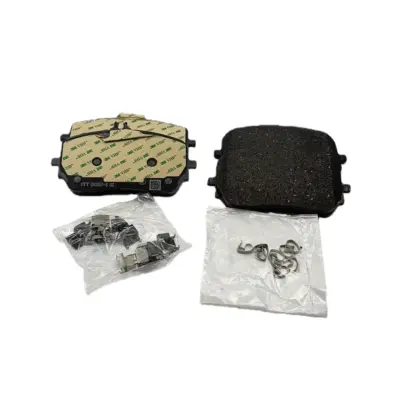
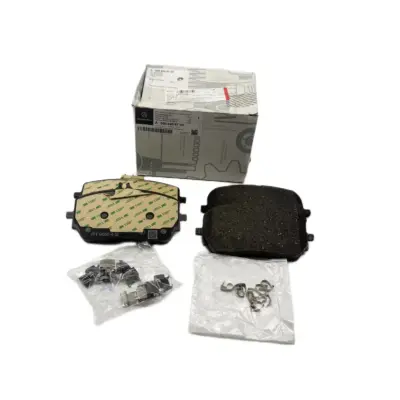
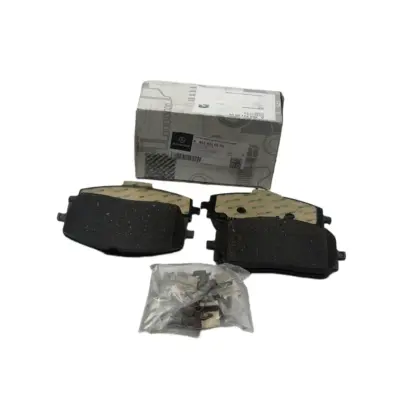
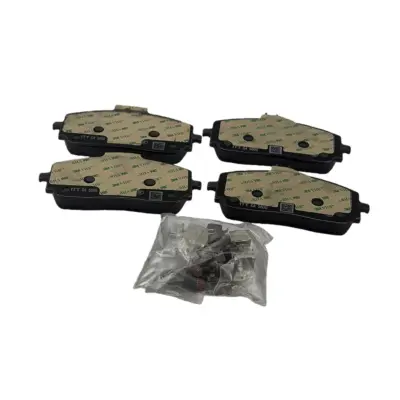

Before you source / Before you order
Confirm OE number or VIN to avoid fitment errors
Verify heat range and reach to prevent misfire or engine damage
Choose electrode material based on service interval and cost
Confirm packaging requirements for export shipping
Tip: send quantity, destination country, and packing requirement for faster quoting.
Fitment confirmation
Share the OE number, VIN, or engine details, and we’ll help confirm compatibility before ordering.
Request fitment check →
