Brake Pads Guides
Brake Pad Buying Guide for Importers and Distributors
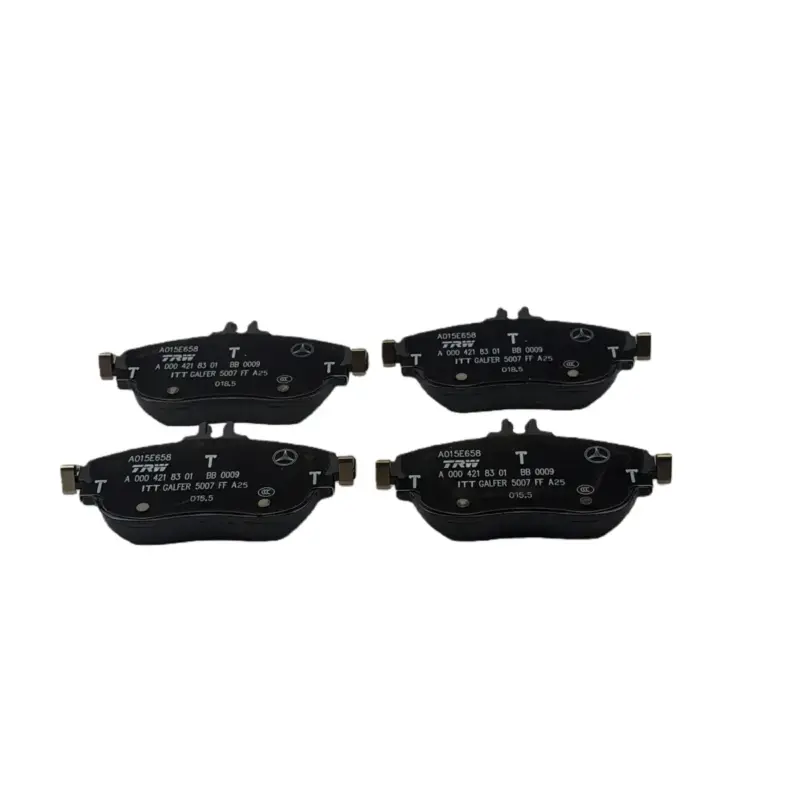
Importers and distributors operate at the intersection of technical performance and regulatory compliance.
Brake pad procurement decisions affect customs documentation, packaging requirements, transport stability, and downstream warranty exposure.This guide outlines the technical and operational factors importers must evaluate before committing to large-volume brake pad purchases.
How we verify fitment (Before placing a bulk order)
1OE / VIN collection — confirm OE number, vehicle identification, model year, and target market specification.
2Cross-reference validation— verify OEM catalog data and aftermarket interchange to identify supersessions and compatible alternatives.
3Application & specification check— validate key application parameters and technical specifications relevant to the product category.
4Sample or photo confirmation — pre-shipment sample or photo confirmation to minimize fitment and return risks.
Regulatory and Compliance Considerations
Different markets impose different friction material and labeling standards.
Understanding certification requirements prevents customs delays and shipment rejection.
Compliance checkpoints
- Material content restrictions
- Packaging labeling standards
- Market-specific friction certification
Technical Module 1: Packaging and Transport Integrity
Long-distance shipping can expose brake pads to humidity, temperature fluctuation, and mechanical impact.
Improper packaging increases corrosion risk and deformation.
- Moisture-resistant wrapping
- Shock-absorbing internal support
- Clear OE and axle labeling
When structuring inventory for regional resale networks, reviewing SKU distribution strategy through brake pads wholesale supports logistical planning.
Technical Module 2: Dimensional Consistency and Installation Risk
Dimensional tolerance errors can cause installation delays or caliper binding.
Importers must verify machining precision across production batches.
- Pad thickness tolerance range
- Backing plate flatness
- Edge geometry accuracy
Cost Structure and Margin Control
Unit price alone does not determine profitability.
Freight cost, customs clearance, and storage turnover influence final margin.
Technical Module 3: Batch Traceability and Warranty Protection
Traceability allows distributors to isolate defective batches quickly.
Without documentation, small quality deviations can escalate into large-scale recalls.
- Batch identification coding
- Production date tracking
- Supplier audit documentation
How We Verify Fitment Before Bulk Supply
- OE number validation
- Cross-reference catalog checks
- Brake system compatibility confirmation
- Pre-shipment inspection
For a deeper structural comparison between aftermarket and replacement channels, review Brake Pad Selection Guide for Aftermarket Supply Chains to understand platform segmentation and material alignment logic.
Before finalizing procurement decisions, importers can apply the structured checklist outlined in the brake pads buying guide to standardize internal evaluation processes.
Brake Pad Import & Distribution – FAQs
What is the biggest risk in cross-border brake pad supply?
Inconsistent batch quality combined with regulatory non-compliance creates the highest financial exposure.
How can importers reduce installation-related returns?
Strict dimensional tolerance verification and sample validation reduce downstream workshop complaints.
Brake pad buying for importers and distributors requires combining technical scrutiny with logistical planning.
Stable sourcing, traceability, and compliance discipline together determine long-term distribution resilience.
Related guides
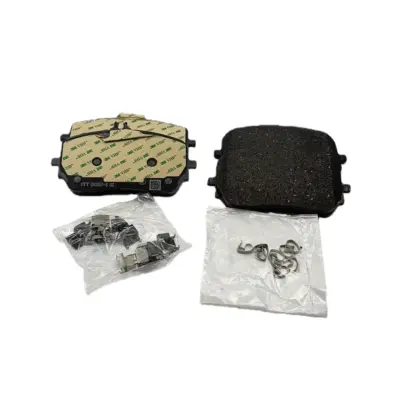
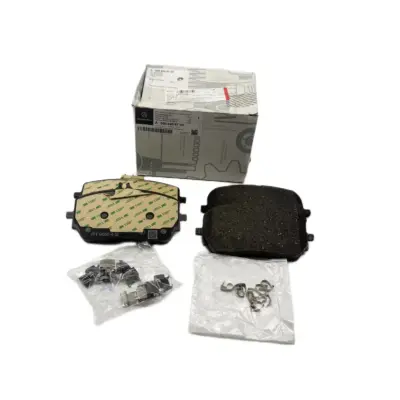
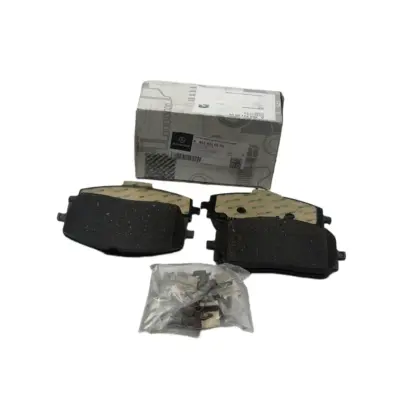
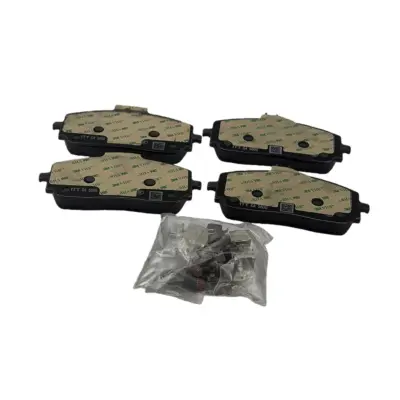

Before you source / Before you order
Confirm OE number or VIN to avoid fitment errors
Verify heat range and reach to prevent misfire or engine damage
Choose electrode material based on service interval and cost
Confirm packaging requirements for export shipping
Tip: send quantity, destination country, and packing requirement for faster quoting.
Fitment confirmation
Share the OE number, VIN, or engine details, and we’ll help confirm compatibility before ordering.
Request fitment check →
