Brake Pads Guides
Brake Pad Buying Considerations for B2B Procurement Teams
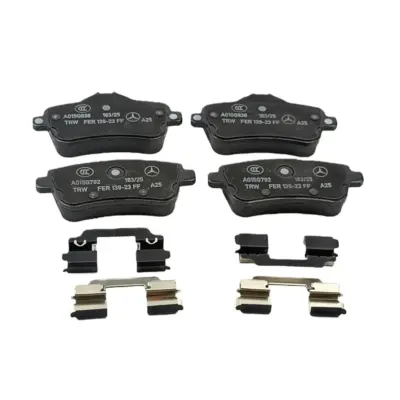
Buying brake pads for B2B procurement is safest when you start from application accuracy, friction requirements, and quality control, not price or appearance. Wrong selection typically shows up later as noise complaints, fast wear, or unstable braking feel that turns into returns. This guide explains what you should verify before placing bulk orders and how to reduce fitment and warranty risk across markets.
How we verify fitment (Before placing a bulk order)
1OE / VIN collection — confirm OE number, vehicle identification, model year, and target market specification.
2Cross-reference validation— verify OEM catalog data and aftermarket interchange to identify supersessions and compatible alternatives.
3Application & specification check— validate key application parameters and technical specifications relevant to the product category.
4Sample or photo confirmation — pre-shipment sample or photo confirmation to minimize fitment and return risks.
What Should You Verify First Before Buying Brake Pads In Bulk?
Verify the brake system variant first, because the same vehicle name can use different calipers and pad shapes. Your safest starting point is OE reference and axle position, then confirm dimensions and friction system expectations. This prevents buying “almost correct” pads that create noise and uneven wear.
Primary fitment inputs you should collect
- OE number or OE-equivalent reference and brake system ID when available
- Axle position and vehicle platform details (model year range, engine variant)
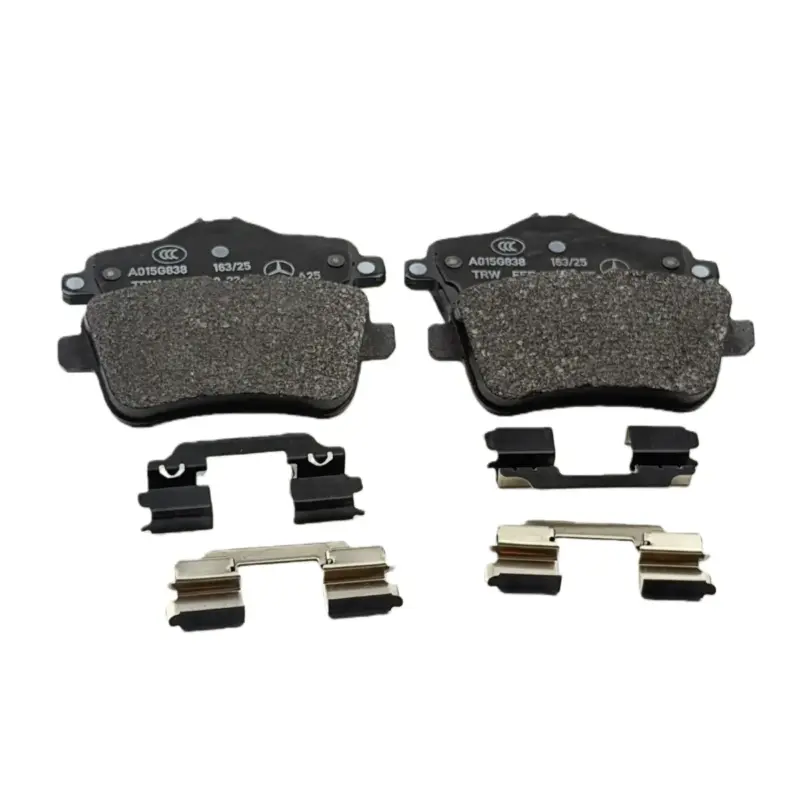
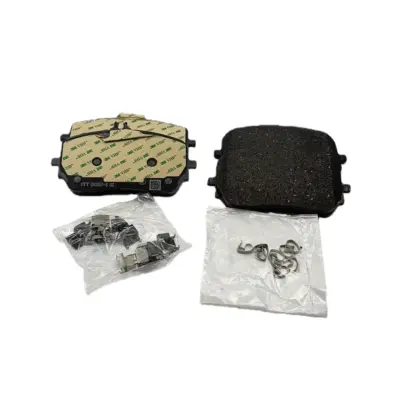
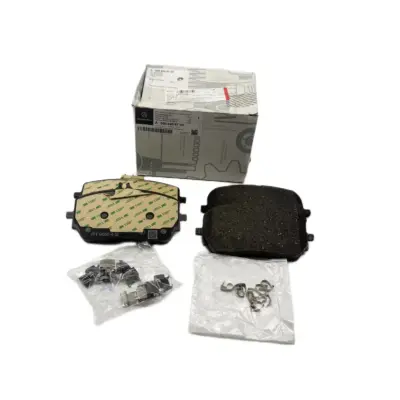
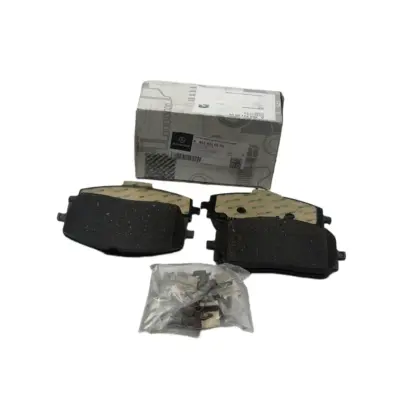
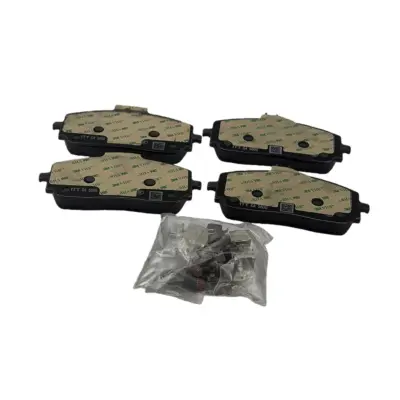
- Pad shape, backing plate profile, and hardware requirements
- Rotor type and condition assumptions in your target market
How Should You Evaluate Friction Material For Your Target Market?
Choose friction material based on driving patterns, dust and noise expectations, and rotor pairing, not marketing labels. A material that works well in one region can increase complaints in another due to climate, traffic patterns, and maintenance habits. You should map pad material to the market’s acceptance level and service practices.
Material selection checkpoints for procurement
- Ceramic-focused formulas for low dust and low noise expectations
- Semi-metallic formulas for higher heat tolerance and heavy-use cycles
- Balanced low-metallic options where cost and performance must align
What Specifications Reduce Noise And Vibration Complaints?
Noise control comes from the full system, not one spec. You should confirm backing plate stiffness, slot/chamfer design, shim strategy, and surface finish consistency because these influence bedding behavior and vibration. When you control these details, you reduce “good pad, bad experience” returns.
Common NVH control points buyers should check
- Shim type and bonding quality for vibration damping
- Chamfer and slot pattern consistency across production batches
- Backing plate flatness and coating uniformity
- Friction surface finishing and edge quality
How Can You Compare Brake Pads Across Suppliers Without Guesswork?
Use a table that compares what affects performance and claims, not only catalog descriptions. A consistent comparison format helps you evaluate multiple suppliers with the same criteria and prevents procurement decisions from drifting into subjective judgment. Your goal is to connect each pad option to fitment accuracy and aftersales stability.
Practical supplier comparison table
| Check Item | What You Should Confirm | Why It Matters For B2B |
|---|---|---|
| OE matching | OE number / cross reference + axle position | Prevents incorrect applications and returns |
| Friction system | Material type + intended use case | Controls dust, noise, wear, and customer satisfaction |
| NVH features | Shims, chamfers, slots, surface finish | Reduces noise claims and repeat complaints |
| Dimensional control | Critical dimensions + tolerance approach | Improves installation success and consistent bedding |
| Batch consistency | Lot tracking + inspection routine | Reduces variability and protects distributor reputation |
How Do You Reduce Quality Risk When Ordering Brake Pads In Bulk?
Reduce risk by controlling what can change across batches: friction mix stability, shim quality, and coating consistency. You should set acceptance checks before shipment and keep samples from each lot so you can trace problems if a complaint appears later. This is how professional procurement teams keep warranty exposure predictable.
Bulk order risk controls
- Require batch identification and lot traceability on cartons
- Confirm key dimensions and pad hardware completeness before dispatch
- Keep retained samples for reference when claims occur
- Align packaging and labeling to your warehouse picking process
How We Verify Fitment Before Bulk Supply
Before we confirm bulk brake pad orders, we use a fitment workflow designed to prevent application errors and reduce aftersales risk. The goal is to make sure what you receive matches the brake system variant your customer will install. This verification process is especially important when the same model can use different pad shapes or calipers.
- OE number and axle position confirmation to identify the correct brake system
- Cross reference checks across OEM and aftermarket catalogs
- Application and specification validation including pad shape and hardware
- Sample or photo confirmation when required before shipment
For bulk buyers who want more structured selection logic, you can also review brake pads wholesale to compare OE matching options, and consult brake pads buying guide to support your procurement checklist with deeper technical context.
Brake Pad Buying Considerations – FAQs
What is the minimum information you should request before quoting brake pads in bulk?
You should request OE number or application reference, axle position, and vehicle platform details. This prevents quoting the wrong pad shape and reduces return risk.
How do you lower noise complaints when buying aftermarket brake pads?
You should verify shim strategy, chamfer and slot design, and backing plate consistency. These factors often drive NVH outcomes more than basic material labels.
Why do the same model years sometimes use different brake pads?
Different calipers or brake system variants can be installed within the same model range. OE matching and system identification are the safest way to prevent misorders.
What quality checks make the biggest difference for distributors?
Dimensional accuracy, batch consistency, and traceability matter most. They reduce installation failures and help you investigate issues quickly if claims occur.
Brake pad procurement works best when you treat fitment, friction behavior, and batch stability as one decision system. By building a repeatable verification checklist and aligning it with your supplier controls, you can reduce returns and improve long-term supply reliability in wholesale distribution.
Related guides

Before you source / Before you order
Confirm OE number or VIN to avoid fitment errors
Verify heat range and reach to prevent misfire or engine damage
Choose electrode material based on service interval and cost
Confirm packaging requirements for export shipping
Tip: send quantity, destination country, and packing requirement for faster quoting.
Fitment confirmation
Share the OE number, VIN, or engine details, and we’ll help confirm compatibility before ordering.
Request fitment check →
