-
×
 205 906 32 06 205
1 × $0.00
205 906 32 06 205
1 × $0.00
 205 906 32 06 205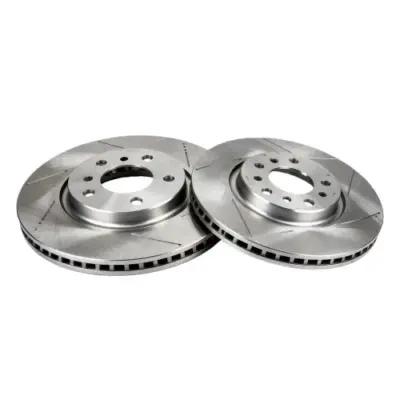
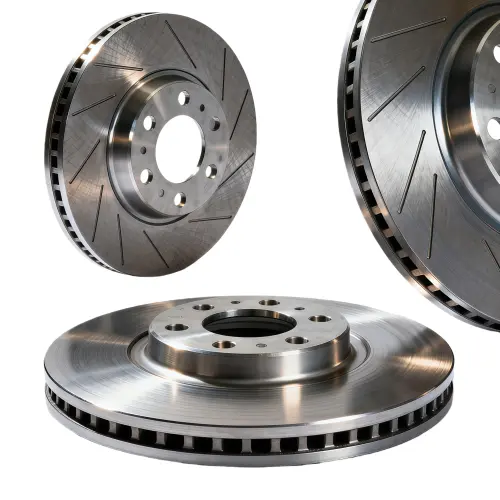
In distribution, brake disc problems usually show up as returns (wrong part / wrong axle) or warranty claims (noise, vibration, uneven wear, premature corrosion). Most issues trace back to three root causes:
Bulk buyers protect margin by standardizing fitment validation and QC acceptance criteria before scaling volume.
For wholesale programs, fitment should be verified in a repeatable way—so your team can validate new SKUs quickly and reduce disputes later. Use the workflow below for every new brake disc item:
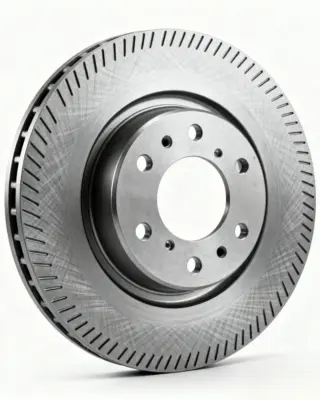
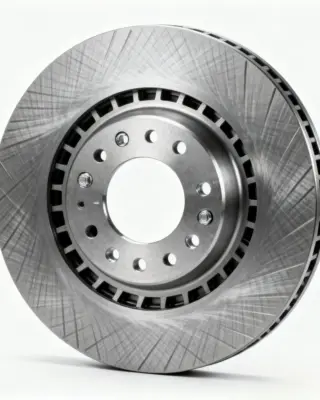
Confirm the critical measurements and design type (solid/vented/coated). The goal is to ensure the part meets the original design intent and avoids NVH complaints.
For first-time SKUs or high-claim markets, request a sample, measurement sheet, or detailed photos (including hat area, vents, and coating) before shipping mass volume.
Tip: If your team needs a specification-centered reference for rotor selection, keep this internal link available for training and standardization:brake disc buying guide.
Rotor design influences heat dissipation, wear stability, and customer expectations. Distributors should align design type with target vehicle segment and service conditions.
| Design type | Typical use | Key buyer checks | Common claim risk if wrong |
|---|---|---|---|
| solid | some rear axles, lighter duty vehicles, cost-sensitive segments | thickness, center bore, offset/height, surface finish | overheating, faster wear, noise under load |
| vented | front axles, higher thermal load, heavier vehicles | vent structure, machining accuracy, runout tolerance | vibration or uneven wear if runout is high |
| coated | humid/road-salt markets, long shelf-life distribution | coating type + coverage, packaging moisture control | rapid corrosion complaints / poor shelf presentation |
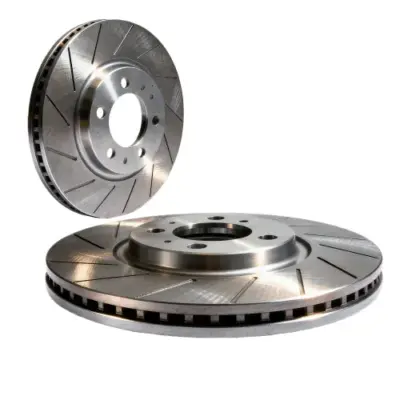
| drilled/slotted | specific performance applications (only when OE-approved) | OE compliance, noise expectations, pad compatibility | noise, cracking risk, accelerated pad wear |
In wholesale, “close enough” creates returns. These are the most important checks to standardize in your procurement and QC process.
Many platforms have multiple rotor versions within the same model year (engine, trim, brake package). Always lock the axle + variant notes to the OE number in your SKU file.
Runout and thickness variation are major drivers of vibration and “warped rotor” complaints. As a distributor, you want clear acceptance criteria and supplier consistency across batches.
If you need guidance on selecting brake discs at a technical level, the article How to Choose Brake Discs: A Buying Guide for Wholesale Buyers provides a detailed selection framework.
Bulk programs succeed when quality is repeatable. Below are the highest-impact QC points and what they prevent.
| QC focus | What to inspect | Why it matters in distribution | What it reduces |
|---|---|---|---|
| casting stability | material consistency, structural integrity, internal defects | poor casting can lead to noise, cracking risk, and unstable wear | warranty claims |
| machining accuracy | diameter, thickness, center bore, offset/height | tight fitment control prevents installation issues | returns |
| runout control | runout tolerance + measurement method consistency | runout is a major cause of vibration complaints | nvh disputes |
| surface finish | uniform finishing, friction surface quality | stabilizes bedding-in and reduces abnormal noise risk | noise complaints |
| coating & corrosion protection | coating type, coverage, packaging moisture barrier | protects shelf life and customer perception in salt/humidity markets | corrosion returns |
Practical distributor tip: Keep a standardized “first-order checklist” (OE confirmation + dimensions + runout tolerance + coating + packaging). It shortens onboarding time for new SKUs and prevents the same mistakes repeating across branches or markets.
Different regions generate different complaints. Your SKU strategy should align with road conditions, customer expectations, and pricing sensitivity.
| Decision factor | What to verify | Why it matters | Typical distribution impact |
|---|---|---|---|
| corrosion risk | coated vs standard, packaging moisture control | salt/humidity accelerates cosmetic and functional corrosion | lower returns, better shelf presentation |
| thermal load | vented structure, material stability | high load markets raise heat-related noise and wear risk | fewer wear complaints |
| cost sensitivity | SKU tiering (standard vs premium), stable tolerances | you can offer tiers without sacrificing fitment accuracy | improved conversion for wholesalers |
| claim sensitivity | runout control + inspection documentation | some markets escalate disputes quickly | fewer disputes and replacements |
Brake discs are heavy and sensitive to corrosion. Packaging quality affects your landed cost, damage rate, and customer satisfaction.
For faster quoting and fewer back-and-forth messages, prepare: OE list, quantities per OE, target destination, packaging requirements, and preferred shipping method (air/sea).
For bulk sourcing and SKU planning, your team can review application coverage and available configurations here:brake disc wholesale.
Most returns come from incorrect OE matching, wrong axle selection, or missing brake system variant notes (same model year, different rotor specs). Standardizing OE + specification verification reduces these cases significantly.
Not always. Coating is most valuable in high-humidity or road-salt regions and for distributors holding inventory longer. For dry markets with fast turnover, standard options may be acceptable if packaging prevents transit corrosion.
At minimum: OE number, axle position, outer diameter, thickness, center bore, offset/height, disc type (solid/vented/coated), and runout tolerance expectations.
The most common claim drivers are runout/thickness variation (vibration), unstable casting quality (noise/wear issues), and weak corrosion protection (inventory presentation and early rust complaints).
Use a repeatable verification workflow (OE + cross-reference + specs), enforce batch consistency checks, and align coating/packaging with the destination market’s corrosion risk.

GL-Carparts is a professional auto parts wholesale supplier providing OEM and aftermarket car parts for global distributors, repair shops, and importers.
With warehouse-based stock and export experience, we support bulk orders, OEM number matching, and international shipping.
Auto Parts Wholesale | OEM Car Parts Supplier | Bulk Supply from China