Brake Pads Guides
BMW OEM Brake Pads: OE Matching, Fitment and Buying Guide
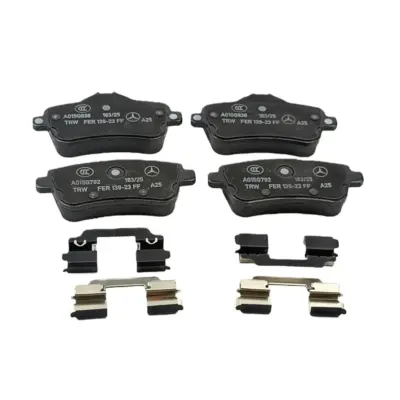
If you source BMW brake pads in bulk, the biggest risk is not price, it is incorrect fitment. A single mismatch can trigger noise complaints, uneven wear, and costly returns across your distribution network. This guide shows you how to use OE matching and application checks to pick BMW OEM brake pads with lower warranty [...]
How we verify fitment (Before placing a bulk order)
1OE / VIN collection — confirm OE number, vehicle identification, model year, and target market specification.
2Cross-reference validation— verify OEM catalog data and aftermarket interchange to identify supersessions and compatible alternatives.
3Application & specification check— validate key application parameters and technical specifications relevant to the product category.
4Sample or photo confirmation — pre-shipment sample or photo confirmation to minimize fitment and return risks.
You can treat “bmw oem brake pads” as a specification-driven item, not a generic consumable. When you align OE numbers, pad shape, and axle position, you reduce friction-related issues and stabilize your reorder pattern.
Why do bmw oem brake pads matter in wholesale supply?
They matter because BMW brake systems vary by chassis, engine package, and brake option, even in the same model year. If you buy only by “looks similar,” you increase failure-to-fit risk and aftersales cost. Your best protection is OE number matching combined with a brake system check.
What usually goes wrong when buyers treat bmw brake pads as universal?
- Wrong axle position: front and rear pads differ in shape, thickness, and hardware.
- Wrong brake option: standard vs performance packages can use different pad families.
- Wrong sensor/clip set: missing hardware creates noise and vibration complaints after installation.
How should you start oe matching for bmw oem brake pads?
Start with the OE number, then confirm the pad shape and the brake system family. This sequence prevents you from “reverse engineering” fitment from dimensions alone. If you have a list like “bmw e90 oem brake pads” or “bmw f10 oem brake pads,” your OE step is what keeps those chassis-specific variations under control.
What information should you collect before you place a bulk order?
- OE number(s): the fastest route to a correct match.
- Chassis + year range: e.g., E90, F10, F02, and production split if applicable.
- Axle position: front or rear, because pad sets are not interchangeable.
- Brake option notes: standard vs sport/performance, rotor size group, and caliper type.
For sourcing and SKU planning, you can review your options in brake pads wholesale and then validate fitment using the steps in brake pads buying guide.
Which bmw applications create the most fitment mistakes?
Mistakes cluster around mixed-trim families and popular platforms where buyers see many “similar” listings. For example, “2017 bmw 740e xdrive rear brake pads oem part” can differ from other 7-series variants due to brake option packages. You should treat “bmw x3 brake pads oem” and “bmw x5 oem brake pads” the same way: verify OE and brake option before you standardize inventory.
Examples of high-variation clusters you should check carefully
Performance variants
“bmw m4 oem brake pads” often differ by pad compound and caliper family.
Confirm OE number and pad hardware set before bulk packing.
Confirm OE number and pad hardware set before bulk packing.
Mainstream platforms with many brake options
“2013 bmw 328i brake pads oem” can vary across production splits and brake packages.
Use OE + axle + brake option to avoid returns.
Use OE + axle + brake option to avoid returns.
How do you check fitment beyond the oe number?
You should confirm the pad outline, thickness class, and accessory set, because OE numbers alone do not remove every packaging risk. If you ship without the correct clips or wear sensor compatibility, you can still trigger “worn brake pad” noise complaints even when the pad set is technically correct.
Fitment checkpoints that reduce returns
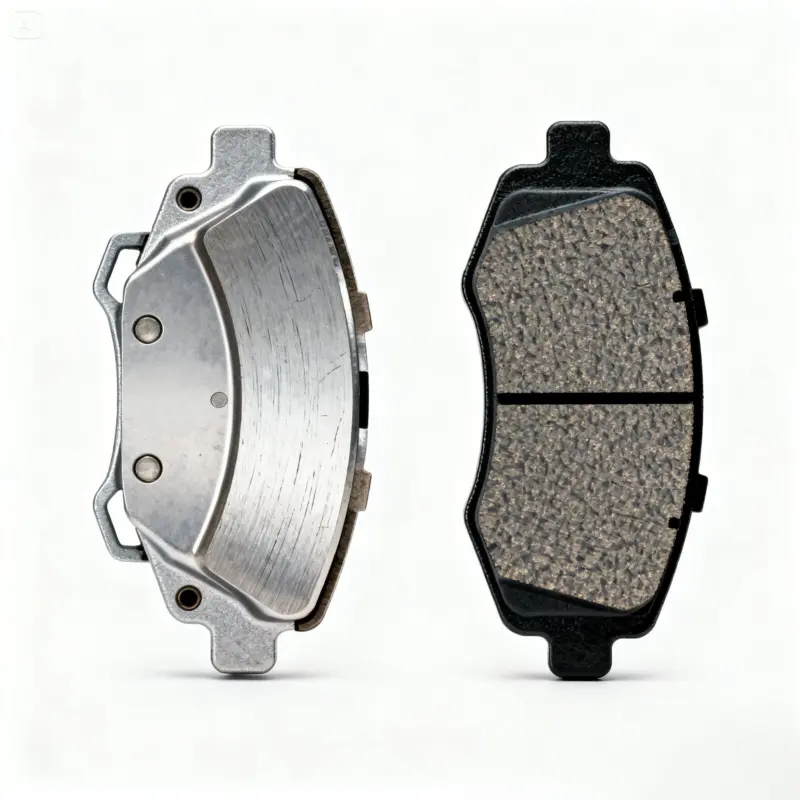
- Pad shape match: compare backing plate outline and slot positions.
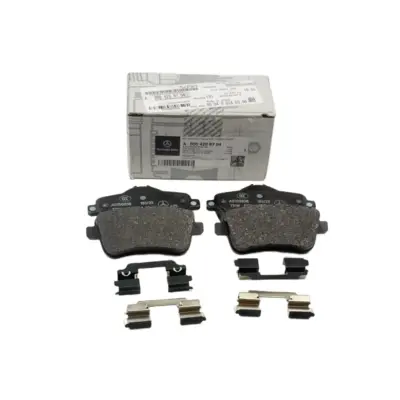
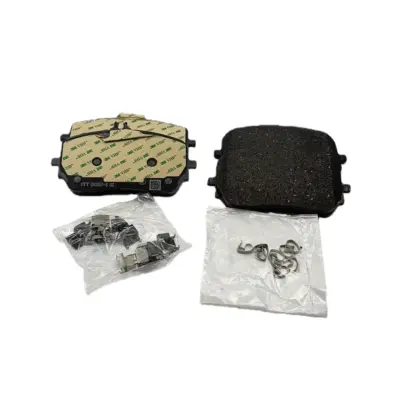
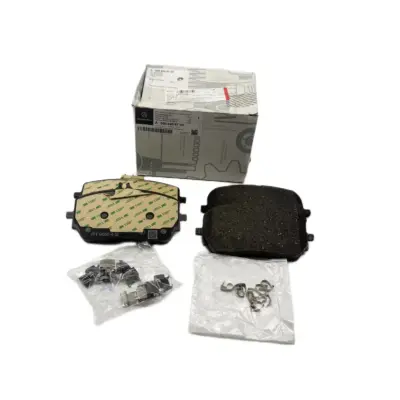
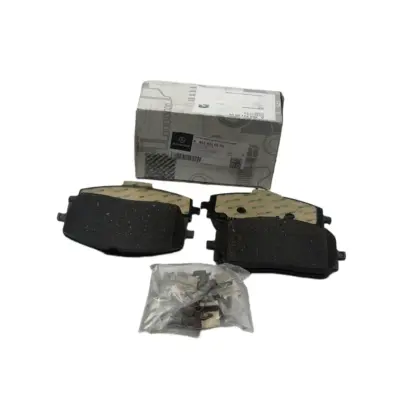
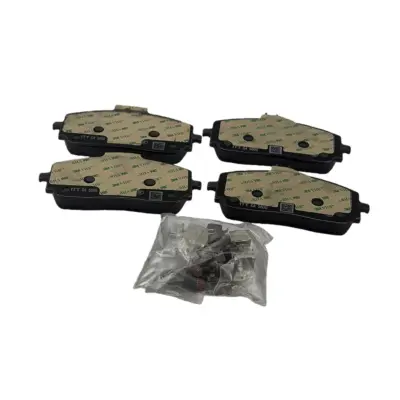
- Hardware match: confirm anti-rattle clips, shims, and sensor requirements.
- Rotor pairing logic: verify rotor size group and caliper family for the application.
What should you look for when you evaluate pad type and material?
You should choose material based on target market expectations and the brake system’s thermal load. If you overspecify, you may raise cost with no measurable market value. If you underspecify, you may increase fade and wear complaints.
Material decision cues for bmw-focused inventory
- Daily-use markets: prioritize stable friction and low-noise behavior.
- High-load use cases: verify heat tolerance and pad compound consistency.
- Return control: confirm chamfer/slot design and shim strategy to reduce squeal.
How we verify fitment before bulk supply
You reduce risk most effectively when you follow a repeatable verification workflow. Your goal is to lock the OE match first, then confirm the brake system details, and finally validate packaging and hardware. This prevents last-minute substitutions that create mismatches in mixed OEM and aftermarket supply.
- OE number / VIN confirmation: you provide OE or VIN-based references when available.
- Cross reference: we check matching logic across OEM and aftermarket catalogs.
- Application & specification check: axle position, caliper family, rotor size group, and hardware notes.
- Sample / photo confirmation: we confirm pad outline and accessory set before final packing.
How should you organize bmw oem brake pads inventory to reduce mistakes?
You should separate SKUs by chassis family and brake option, not only by model name. This is especially helpful for clusters like “bmw brake pads oem,” “oem bmw brake pads,” and “oem brake pads bmw,” where the search terms are broad but the fitment reality is narrow. Your picking accuracy improves when your warehouse labeling mirrors the OE logic.
Practical labeling and picking rules
- Label by chassis + axle: E90 front vs E90 rear, F10 front vs F10 rear.
- Include brake option flag: standard vs sport/performance where applicable.
- Add “hardware required” notes: clips/shims/sensor compatibility for each SKU.
If you also source Japanese applications, compare your selection approach with toyota oem brake pads: oe matching, fitment and buying guide to see how OE matching differs by platform and replacement habits.
BMW OEM Brake Pads – FAQs
Which detail causes the most bulk sourcing errors for bmw oem brake pads?
Axle position and brake option are the most common failure points. You should lock OE number matching first, then confirm the brake system family before you finalize the SKU.
Can you rely on “bmw oem brake pads and rotors” listings to confirm pad fitment?
Not by listing text alone. You should verify the pad OE number and brake option, then confirm rotor size group and caliper family to avoid mismatches.
Why do “bmw e90 oem brake pads” and “bmw f10 oem brake pads” require separate verification?
They are different chassis platforms with different brake systems and option packages. You should treat each chassis as its own fitment set even if pad shapes look similar.
What should you provide to confirm “2017 bmw 740e xdrive rear brake pads oem part” accurately?
Provide the OE number plus axle position and brake option notes. If you can add VIN-based references or caliper details, you reduce the risk of ordering the wrong rear pad family.
Who makes bmw oem brake pad manufacturer decisions in a supply chain context?
OEM brake pads are produced by qualified suppliers to BMW specifications, but your sourcing decision should focus on OE matching, compound consistency, and fitment verification rather than brand assumptions.
BMW OEM brake pad sourcing becomes predictable when you treat OE matching as the core and fitment checks as the guardrail. If you confirm OE, axle, and brake option before you buy, you reduce returns and protect your distribution reputation.
Related guides

Before you source / Before you order
Confirm OE number or VIN to avoid fitment errors
Verify heat range and reach to prevent misfire or engine damage
Choose electrode material based on service interval and cost
Confirm packaging requirements for export shipping
Tip: send quantity, destination country, and packing requirement for faster quoting.
Fitment confirmation
Share the OE number, VIN, or engine details, and we’ll help confirm compatibility before ordering.
Request fitment check →
