Brake Disc Guides
Best Aftermarket Brake Pads And Rotors Selection Guide
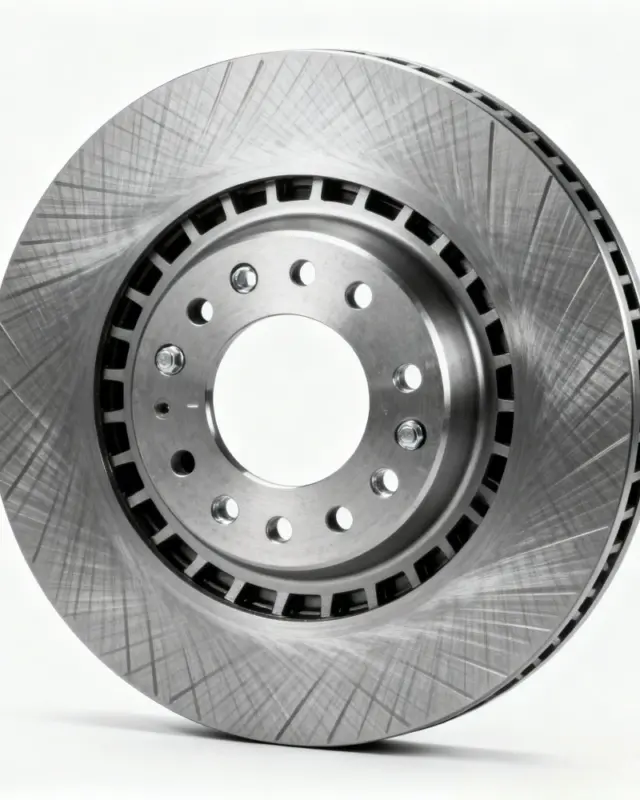
Selecting aftermarket brake pads and rotors is a critical decision for wholesale buyers, as braking components directly affect vehicle safety and warranty exposure. Improper matching often leads to noise complaints, uneven wear, or premature rotor damage. This guide explains how to evaluate aftermarket brake pads and rotors as a complete system for bulk procurement. For [...]
How we verify fitment (Before placing a bulk order)
1OE / VIN collection — confirm OE number, vehicle identification, model year, and target market specification.
2Cross-reference validation— verify OEM catalog data and aftermarket interchange to identify supersessions and compatible alternatives.
3Application & specification check— validate key application parameters and technical specifications relevant to the product category.
4Sample or photo confirmation — pre-shipment sample or photo confirmation to minimize fitment and return risks.
For distributors and professional buyers, understanding pad and rotor compatibility helps reduce returns and improves long-term supply reliability.
How Do Aftermarket Brake Pads And Rotors Work As A System?
Brake pads and rotors function together as a friction system that converts kinetic energy into heat.
Their compatibility directly influences braking efficiency, noise behavior, and component lifespan.
System-level interaction points
- Pad material determines friction characteristics
- Rotor design controls heat dissipation
- Surface compatibility affects wear patterns
What Should Buyers Consider When Selecting Aftermarket Brake Pads?
Brake pad selection should be based on vehicle application, operating conditions, and market expectations.
Material choice plays a major role in noise, dust, and service life.
Common aftermarket pad materials
- Ceramic formulations for low dust and reduced noise
- Semi-metallic compounds for higher heat resistance
- Low-metallic pads for balanced daily use
How Do You Choose The Right Brake Rotors To Match Aftermarket Pads?
Brake rotors must be selected to match pad characteristics and vehicle load.
Rotor specifications directly influence braking stability and wear consistency.
Key rotor specifications to verify
- Rotor diameter and thickness
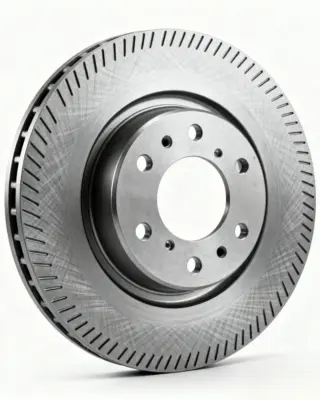
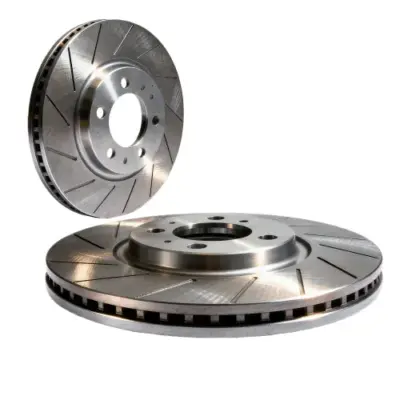
- Ventilated or solid structure
- Surface coating or corrosion protection
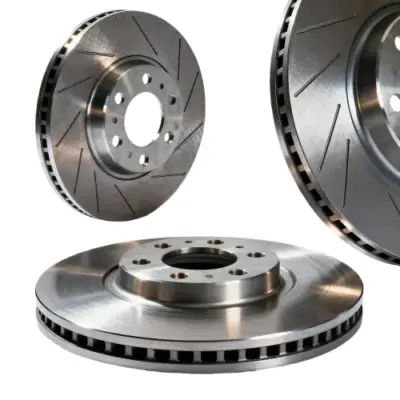
For bulk sourcing and SKU comparison, buyers can review available options in our brake disc wholesale category to understand rotor configurations across different applications.
Why Is Proper Pad And Rotor Matching Important For Wholesale Supply?
Mismatched brake pads and rotors often result in noise, vibration, or accelerated wear.
For wholesale buyers, these issues frequently lead to returns or warranty claims.
Wholesale-level benefits of correct matching
- More stable braking performance
- Reduced aftersales complaints
- Longer service life for both components
How We Verify Fitment Before Bulk Supply
Before confirming bulk orders for aftermarket brake pads and rotors, we apply a structured verification process.
- OE number and axle position confirmation
- Cross-reference checks across OEM and aftermarket catalogs
- Specification validation for pad and rotor pairing
- Sample or photo confirmation when required
For buyers who need a broader sourcing framework focused on rotor specifications,
the brake disc buying guide provides a detailed overview of selection criteria for bulk procurement.
To better understand rotor-focused purchasing logic, you can also refer to disc brake buying guide for bulk procurement when planning large-volume orders.
Aftermarket Brake Pads And Rotors – FAQs
Should aftermarket brake pads and rotors be replaced together?
Not always, but replacing them together improves compatibility and braking consistency.
This approach is often preferred for wholesale supply to reduce aftersales issues.
Can one type of aftermarket pad work with all rotors?
No. Pad material must match rotor design and vehicle requirements.
Incorrect pairing can cause noise or uneven wear.
What causes most aftermarket brake complaints?
Most issues are caused by incorrect pad and rotor matching rather than product defects.
Application accuracy is critical in bulk supply.
Selecting aftermarket brake pads and rotors as a matched system is essential for reliable wholesale supply.
By understanding materials, rotor specifications, and fitment verification, buyers can reduce sourcing risk and improve long-term performance outcomes.
Related guides

Before you source / Before you order
Confirm OE number or VIN to avoid fitment errors
Verify heat range and reach to prevent misfire or engine damage
Choose electrode material based on service interval and cost
Confirm packaging requirements for export shipping
Tip: send quantity, destination country, and packing requirement for faster quoting.
Fitment confirmation
Share the OE number, VIN, or engine details, and we’ll help confirm compatibility before ordering.
Request fitment check →
