Brake Pads Guides
Are OEM Brake Pads Better Than Aftermarket? An Honest Comparison
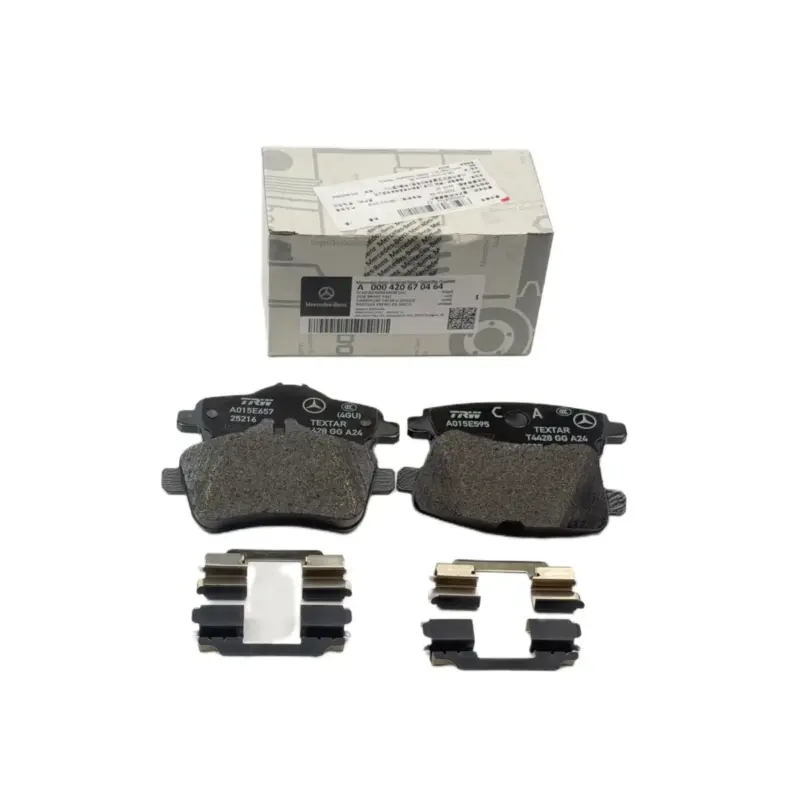
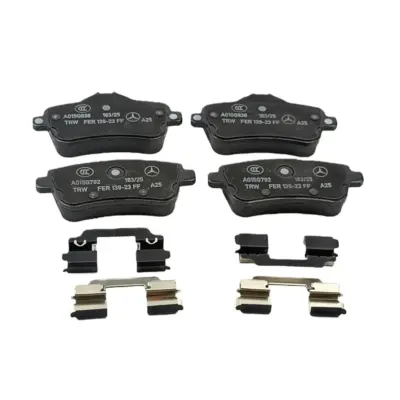
Many drivers ask whether OEM brake pads are truly better than aftermarket alternatives. The honest answer depends on how you define “better.” This comparison explains when OEM pads make sense and when aftermarket pads may actually be the smarter choice. For a broader overview of strengths and weaknesses, you can also read OEM vs Aftermarket [...]
How we verify fitment (Before placing a bulk order)
1OE / VIN collection — confirm OE number, vehicle identification, model year, and target market specification.
2Cross-reference validation— verify OEM catalog data and aftermarket interchange to identify supersessions and compatible alternatives.
3Application & specification check— validate key application parameters and technical specifications relevant to the product category.
4Sample or photo confirmation — pre-shipment sample or photo confirmation to minimize fitment and return risks.
For a broader overview of strengths and weaknesses, you can also read OEM vs Aftermarket Brake Pads: Pros, Cons, and Real Differences to understand how design priorities affect real-world performance.
What Does “Better” Mean When Choosing Brake Pads?
“Better” can mean quieter braking, longer life, lower cost, or stronger bite.
The right answer depends on driving style, vehicle type, and maintenance expectations.
Common buyer priorities
- Low noise and smooth braking feel
- Reasonable service life and rotor protection
- Cost control without compromising safety
When Are OEM Brake Pads The Better Choice?
OEM pads are usually better when comfort, predictability, and factory behavior are the main goals.
They are designed to work seamlessly with the original brake system.
Situations where OEM pads make sense
- Daily driving with an emphasis on comfort and quietness
- Vehicles with sensitive brake tuning
- Drivers who prefer factory-like performance
When Are Aftermarket Brake Pads The Better Choice?
Aftermarket pads may be better when specific performance or budget goals are prioritized.
They offer more flexibility in compound selection and price range.
Situations where aftermarket pads make sense
- Performance or heavy-duty driving conditions
- Cost-sensitive replacement scenarios
- Drivers seeking specific characteristics such as low dust or higher bite
What Are The Real Risks Of Choosing The Wrong Option?
The main risk is not OEM vs aftermarket, but incorrect matching.
A mismatched pad can cause noise, vibration, uneven wear, or reduced braking confidence.
Common risk factors
- Ignoring brake system variations and axle position
- Choosing compound based on marketing rather than use case
- Overlooking hardware and shim compatibility
How We Help Buyers Choose The Right Brake Pads
To reduce mistakes, we apply a verification workflow before confirming supply.
This ensures the pad choice fits both the brake system and market expectations.
- OE number or application confirmation
- Brake package and caliper validation
- Compound suitability review
- Sample or visual confirmation when needed
For bulk sourcing and category planning, explore brake pads wholesale to compare OEM-style and aftermarket options.
To build a repeatable selection process, use brake pads buying guide to align pad choice with real-world requirements.
Are OEM Brake Pads Better Than Aftermarket – FAQs
Are OEM brake pads always quieter?
OEM pads are usually tuned for low noise, but some aftermarket pads can achieve similar results
when matched correctly.
Can aftermarket brake pads be just as safe as OEM?
Yes. Safety depends on correct specifications and proper installation,
not on whether the pad is OEM or aftermarket.
Which option is better for long-term cost control?
It depends on pad life, rotor wear, and replacement habits.
Some aftermarket pads offer better cost efficiency over time.
OEM brake pads are not automatically better than aftermarket options.
The better choice is the one that matches your driving needs, brake system design, and expectations.
When specifications are verified, both options can deliver safe and reliable braking.
Related guides
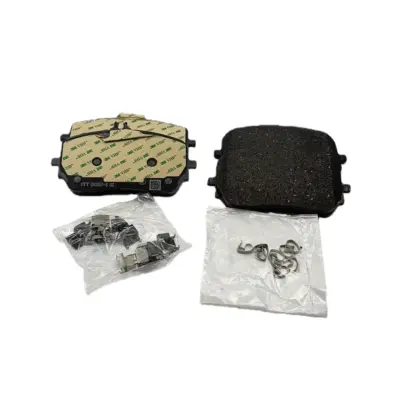
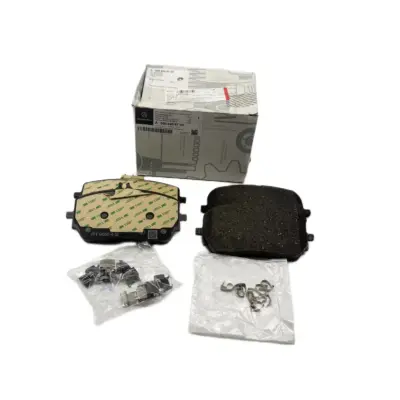
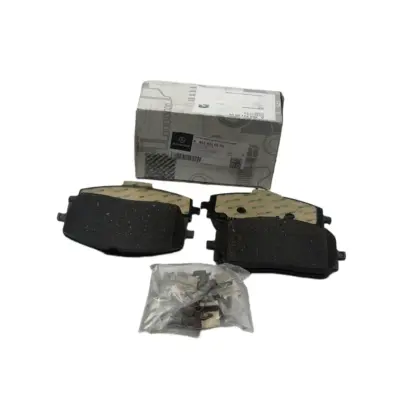
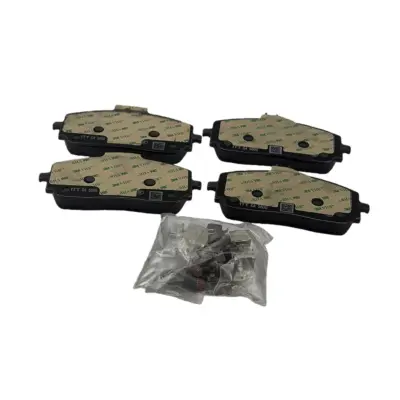

Before you source / Before you order
Confirm OE number or VIN to avoid fitment errors
Verify heat range and reach to prevent misfire or engine damage
Choose electrode material based on service interval and cost
Confirm packaging requirements for export shipping
Tip: send quantity, destination country, and packing requirement for faster quoting.
Fitment confirmation
Share the OE number, VIN, or engine details, and we’ll help confirm compatibility before ordering.
Request fitment check →
