-
×
 205 906 32 06 205
1 × $0.00
205 906 32 06 205
1 × $0.00
 205 906 32 06 205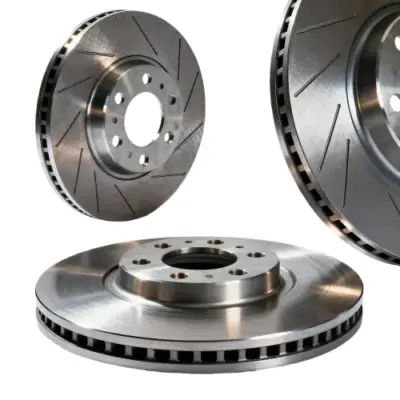
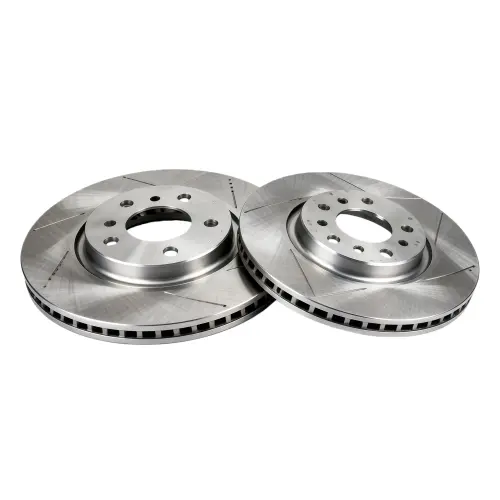
For automotive distributors and sourcing teams, brake discs are not interchangeable parts. Material quality, dimensional accuracy, and application matching all influence long-term supply reliability.
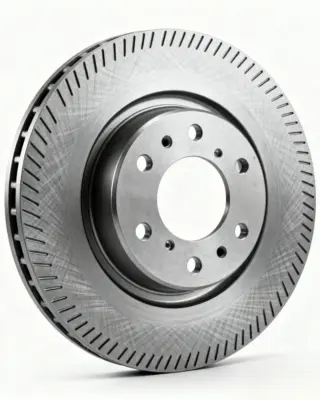
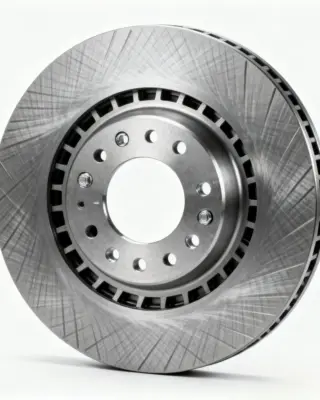
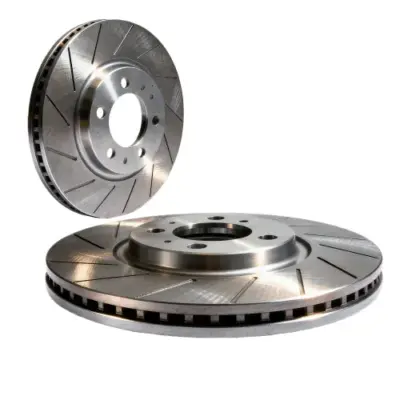
Brake discs work with brake pads to convert vehicle kinetic energy into heat through friction. Their ability to dissipate heat and maintain structural stability directly impacts braking performance.
Brake disc selection must start with dimensional and structural verification. Even small deviations can cause fitment issues or performance problems.
Material selection plays a key role in durability, heat resistance, and wear behavior. Different markets may prioritize longevity, cost, or thermal stability.
OE matching ensures that brake discs meet original design tolerances and performance expectations. Failure to match OE specifications increases return and warranty risk.
Wholesale buyers can review application-ready products in the brake disc wholesale category to compare OE-matched options before confirming bulk orders.
Many brake disc issues originate from oversimplified sourcing decisions. Avoiding these mistakes improves long-term distribution stability.
Before confirming bulk brake disc orders, we apply a structured verification process to reduce application risk.
For a broader technical overview of brake disc selection logic, you may also refer to the brake disc buying guide for wholesale procurement.
If you are comparing market-level sourcing strategies, the article Brake Disc Buying Guide for Automotive Distributors and Wholesalers provides additional insights from a distribution perspective.
Brake disc selection often requires balancing application coverage, thermal stability, and corrosion resistance. This comparison helps you align specifications with your market needs.
| Brake disc type | Where it fits best | Main buyer benefit | Typical risk if mismatched |
|---|---|---|---|
| Standard cast iron | General passenger vehicles | Balanced cost and durability | Heat fade in higher-load applications |
| High-carbon cast iron | Higher thermal load / performance segments | Better thermal stability | Over-spec for cost-sensitive markets |
| Coated brake discs | Corrosion-prone regions | Reduced rust and better shelf condition | Wrong coating expectations across markets |
No. Thickness, offset, ventilation design, and hub configuration must also match OE specifications.
Coatings mainly improve corrosion resistance and do not negatively affect braking when correctly specified.
Noise is often caused by mismatched disc and pad materials or incorrect surface finish.
Choosing brake discs for wholesale supply requires technical understanding and strict OE matching. By verifying specifications, materials, and fitment accuracy, you can reduce sourcing risk and support consistent braking performance.

GL-Carparts is a professional auto parts wholesale supplier providing OEM and aftermarket car parts for global distributors, repair shops, and importers.
With warehouse-based stock and export experience, we support bulk orders, OEM number matching, and international shipping.
Auto Parts Wholesale | OEM Car Parts Supplier | Bulk Supply from China