Brake Disc Guides
Disc Brake Buying Guide for Bulk Procurement
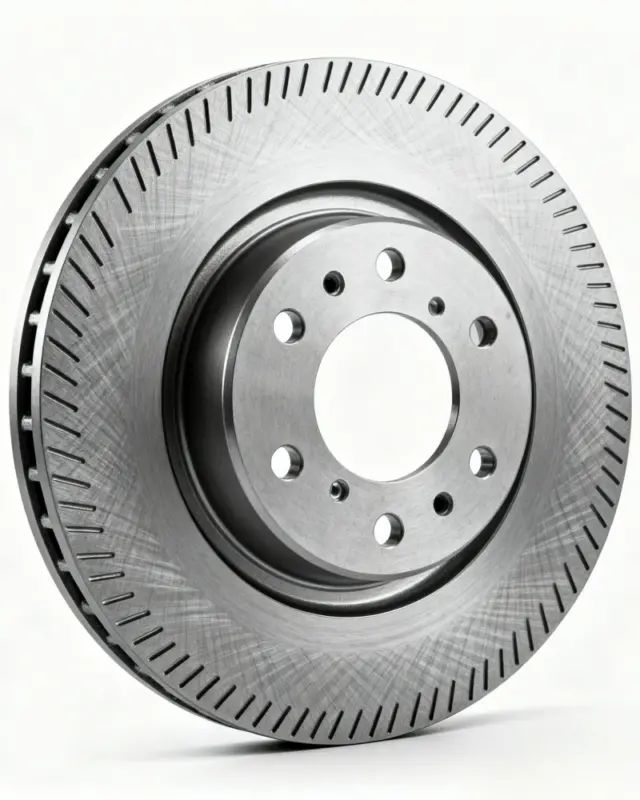
Disc brake components are core safety parts that require precise specification control in bulk procurement. Incorrect rotor selection can lead to braking instability, excessive wear, or increased warranty exposure. This guide explains how to evaluate disc brakes for wholesale purchasing from a technical and procurement perspective. For distributors and sourcing teams, understanding disc brake specifications [...]
How we verify fitment (Before placing a bulk order)
1OE / VIN collection — confirm OE number, vehicle identification, model year, and target market specification.
2Cross-reference validation— verify OEM catalog data and aftermarket interchange to identify supersessions and compatible alternatives.
3Application & specification check— validate key application parameters and technical specifications relevant to the product category.
4Sample or photo confirmation — pre-shipment sample or photo confirmation to minimize fitment and return risks.
For distributors and sourcing teams, understanding disc brake specifications helps improve inventory accuracy and application coverage.
What Are The Key Specifications Of Disc Brakes For Bulk Buying?
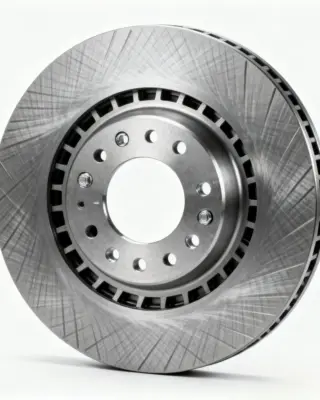
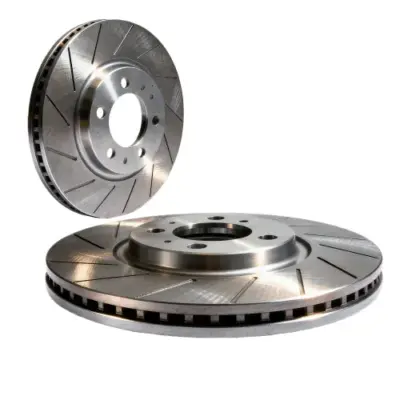
Disc brake rotors are defined by multiple physical and performance-related parameters.
Each specification affects braking behavior and compatibility.
Primary disc brake parameters
- Rotor diameter and nominal thickness
- Minimum thickness limits
- Ventilated or solid construction
How Do Vehicle Applications Influence Disc Brake Selection?
Vehicle weight, axle position, and braking load determine the appropriate rotor design.
Ignoring these factors often leads to premature wear or noise issues.
Application-driven considerations
- Front versus rear axle requirements
- Passenger vehicles versus light commercial vehicles
- Driving conditions and thermal load
For sourcing and specification comparison, buyers can explore our brake disc wholesale category to review available disc brake options across different platforms.
What Common Mistakes Occur In Disc Brake Bulk Procurement?
Many procurement issues arise from oversimplified selection criteria.
Avoiding these mistakes helps protect distribution reputation.
Frequent bulk purchasing errors
- Selecting rotors based only on diameter
- Ignoring minimum thickness specifications
- Overlooking pad compatibility requirements
How We Verify Fitment Before Bulk Supply
Before confirming disc brake orders, we follow a structured verification workflow to reduce application risk.
- OE number and vehicle application confirmation
- Cross-reference validation across catalogs
- Rotor specification and axle position checks
- Sample or image confirmation when required
For buyers seeking a broader system-level understanding that includes pads,
the brake disc buying guide offers additional insight into selection logic for different markets.
When pads and rotors are sourced together, reviewing best aftermarket brake pads and rotors selection guide can help reduce compatibility issues and aftersales risk.
Disc Brake Procurement – FAQs
Is rotor thickness more important than diameter?
Both are critical. Thickness affects heat capacity, while diameter influences braking leverage.
Both must meet OE specifications.
Can one disc brake rotor fit multiple vehicles?
Sometimes, but only when OE specifications and applications match exactly.
Visual similarity alone is not reliable for bulk procurement.
What information is required for accurate disc brake sourcing?
OE numbers, axle position, vehicle details, and target quantities help ensure correct selection.
This reduces mismatch risk in wholesale supply.
Disc brake procurement requires careful specification control and application verification.
By understanding rotor parameters, vehicle requirements, and sourcing workflows, buyers can support stable and reliable bulk purchasing decisions.
Related guides

Before you source / Before you order
Confirm OE number or VIN to avoid fitment errors
Verify heat range and reach to prevent misfire or engine damage
Choose electrode material based on service interval and cost
Confirm packaging requirements for export shipping
Tip: send quantity, destination country, and packing requirement for faster quoting.
Fitment confirmation
Share the OE number, VIN, or engine details, and we’ll help confirm compatibility before ordering.
Request fitment check →
