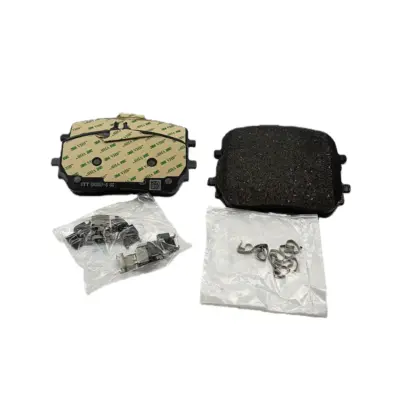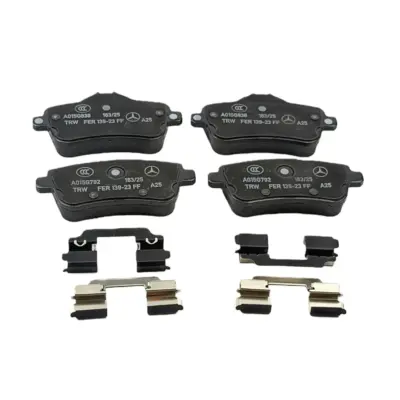
Fleet Requirements: Durability, Thermal Stability, Predictable Wear
Fleet operators want predictable maintenance schedules. Brake pad selection must support stable friction across repeated braking cycles and withstand higher temperatures without rapid degradation.
Fleet-oriented selection priorities
- Stable friction under repeated stops
- High fade resistance and thermal durability
- Balanced rotor wear to control total cost
- Consistent fitment across multiple vehicles and brake packages
Procurement teams can review fleet-relevant pad families and application coverage in Brake Pads Wholesale to align purchasing with common commercial platforms.
Technical Module 1: Heat Management And Fade Resistance In Fleet Duty Cycles
Fleet duty cycles generate repeated high-temperature events. If pad compound cannot maintain friction stability at elevated temperature, braking feel becomes inconsistent and stopping distance increases, which is a safety and liability risk.
Heat-related checkpoints
- Compound stability under sustained braking temperature
- Resistance to glazing and surface cracking
- Rotor compatibility to prevent accelerated disc wear
Fleet buyers should evaluate total braking system behavior rather than pad-only performance. A strong compound that destroys rotors may raise total cost despite longer pad life.
Technical Module 2: Wear Rate Predictability And Total Cost Control
Fleet procurement decisions are cost decisions. The correct goal is predictable wear and controlled replacement intervals. Pads that wear unevenly or cause rotor hotspots will increase downtime even if initial friction performance is acceptable.
| Fleet Concern | What It Looks Like | Procurement Control Point |
|---|---|---|
| Uneven wear | Inner/outer pad imbalance | Confirm caliper condition compatibility and pad backing geometry |
| Rotor hotspots | Vibration, judder, uneven rotor surface | Match compound to rotor design and heat handling |
| Frequent replacements | Short service interval | Choose compound optimized for fleet duty cycle |
A standardized evaluation workflow is available in the Brake Pads Buying Guide, which helps buyers compare compounds for durability and cost control.
How We Verify Fitment Before Bulk Supply
- OE number cross-reference and platform identification
- Brake package confirmation (caliper/rotor specification)
- Axle position and hardware compatibility validation
- Duty cycle and market requirement alignment
- Sample or photo confirmation when required before shipment
For passenger-car focused selection strategy, compare with Brake Pad Selection for Passenger Car Applications to avoid applying comfort-focused compounds to fleet vehicles.
Brake Pad Selection Guide for Commercial Vehicle Fleets – FAQs
What is the biggest brake pad risk for fleet procurement?
Heat fade and accelerated wear under repeated stops are the biggest risks, often leading to increased downtime and safety concerns.
Should fleets prioritize pad life or rotor life?
Fleets should prioritize total system cost. A pad that lasts longer but destroys rotors may increase overall cost and downtime.
What details should buyers provide for accurate bulk sourcing?
OE numbers, brake package options, axle position, fleet duty cycle, and destination market requirements help confirm correct selection.
Fleet brake pad selection must focus on thermal stability, predictable wear, and total cost control. With system-level verification and structured procurement checks, wholesalers can support safer, more reliable fleet braking performance in bulk supply.