What Fitment Checks Should You Prioritize For Bulk Brake Pad Orders?
Prioritize the brake system variant first, then confirm pad shape and axle position. The safest approach is OE matching supported by cross reference and basic dimensional validation. This prevents “looks similar” mistakes that create immediate returns.
Fitment checks that protect bulk orders
- OE number matching and validated cross reference
- Axle position and brake system identification
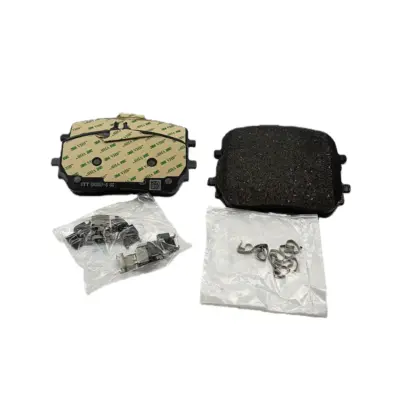
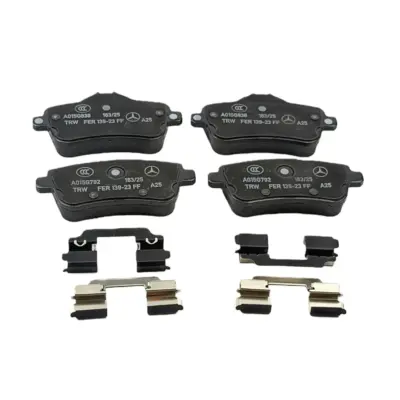
- Pad outline and hardware completeness
- Compatibility expectations with common rotor types in your market
How Do Material Choices Affect Bulk Supply Outcomes?
Material choice affects dust, noise, wear rate, and rotor interaction, which directly impacts customer satisfaction. You should select material based on real use cases in your market rather than generic “premium” labels. A material mismatch is one of the fastest paths to repeat complaints.
Material decision points you should document
- Noise and dust tolerance in your target region
- Heat load expectations for city, highway, or commercial use
- Replacement habits and service interval expectations
What Specifications Should You Confirm To Reduce Returns?
Returns often come from small specification mismatches that are overlooked during bulk buying. You should confirm the pieces that influence installation and bedding: backing plate profile, shim design, chamfer and slot consistency, and basic dimensional accuracy. These checks reduce the “installed but noisy” scenario that drives claims.
Specs that commonly trigger aftermarket complaints
- Backing plate flatness and coating consistency
- Shim presence and bonding quality
- Slot and chamfer geometry consistency
- Friction surface finishing and edge quality
How Should You Compare Brake Pad Options When Buying In Volume?
Use a comparison table so your team evaluates options consistently across suppliers. A table makes it easier to align technical parameters with inventory strategy and avoids procurement decisions based on subjective impressions. Your goal is to reduce variability and protect stable supply.
Bulk buying comparison table
| Factor | What To Check | Bulk Supply Impact |
|---|---|---|
| Application coverage | OE list and verified cross reference | Improves SKU planning and reduces wrong picks |
| Friction behavior | Material type and intended use case | Controls dust, noise, and customer acceptance |
| NVH control | Shims, chamfers, slots, surface finish | Reduces noise-related returns and complaints |
| Consistency | Batch traceability and inspection routine | Stabilizes field performance across shipments |
| Packaging control | Labels, barcodes, carton strength | Improves warehouse handling and reduces damage |
What Inventory Planning Mistakes Should You Avoid In Bulk Purchasing?
Avoid buying based only on high-volume vehicle names without confirming brake system variants. You should also avoid mixing multiple friction types under one SKU if your customers expect consistent behavior. Clean SKU rules reduce picking errors and improve repeat order stability.
Common bulk supply mistakes
- Over-relying on model names without verifying system variants
- Mixing friction types under the same SKU and label
- Ignoring market-specific dust and noise expectations
- Skipping retained samples and lot traceability
How We Verify Fitment Before Bulk Supply
Before confirming bulk brake pad orders, we follow a verification workflow designed for distribution-level reliability. This process helps ensure the pad shape, hardware, and application notes match the intended brake system. The goal is to reduce installation failures and avoid repeat claims.
- OE number and axle position confirmation to lock the correct application
- Cross reference verification across OEM and aftermarket sources
- Specification and pad shape validation including hardware checks
- Sample or photo confirmation when required before mass shipment
To support your bulk planning, you can browse brake pads wholesale and use brake pads buying guide as a reference framework for OE matching and procurement decisions.
Buying Brake Pads In Bulk – FAQs
What is the fastest way to reduce wrong-fit returns in bulk brake pad supply?
Start from OE matching and brake system variant confirmation, then verify axle position and pad shape. This eliminates most “looks similar” application errors.
Should you stock multiple friction types for the same application?
Only if you clearly separate SKUs and labels by friction behavior. Mixing types under one listing often increases complaints and complicates customer expectations.
What causes bulk brake pad noise complaints most often?
Noise is often caused by pad and rotor surface mismatch, shim issues, or inconsistent chamfer and slot execution. These factors can outweigh the basic material category.
What information should buyers provide to get an accurate bulk recommendation?
OE numbers, axle position, vehicle platform details, and target market use cases are the most useful inputs. They help confirm fitment and friction suitability for your customers.
Bulk brake pad purchasing becomes predictable when you standardize fitment checks, material selection logic, and batch consistency controls. By using a repeatable comparison process and verifying applications before shipment, you can reduce returns and protect long-term distributor trust.
<